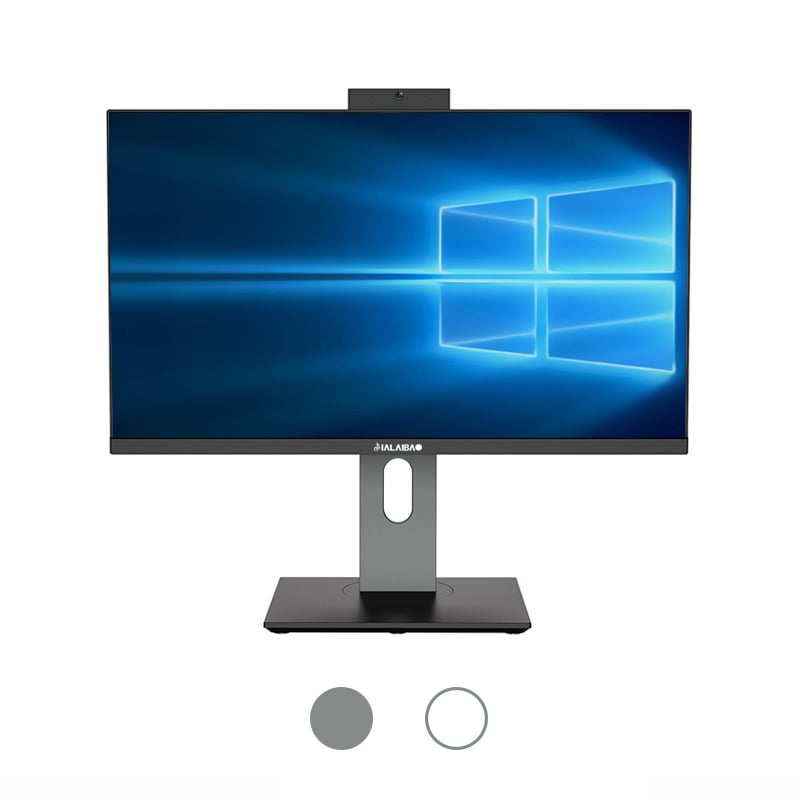
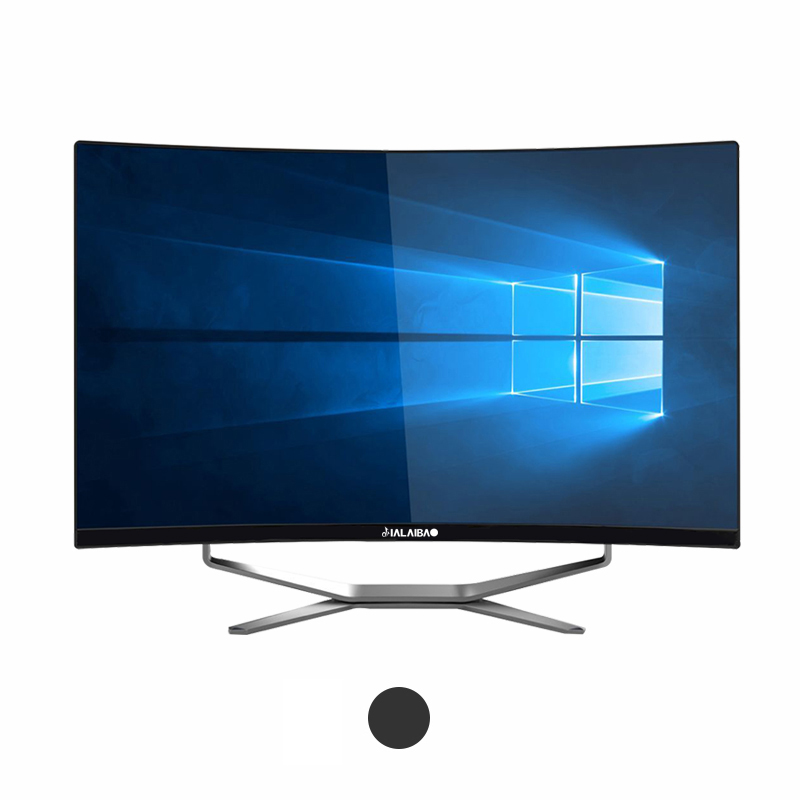
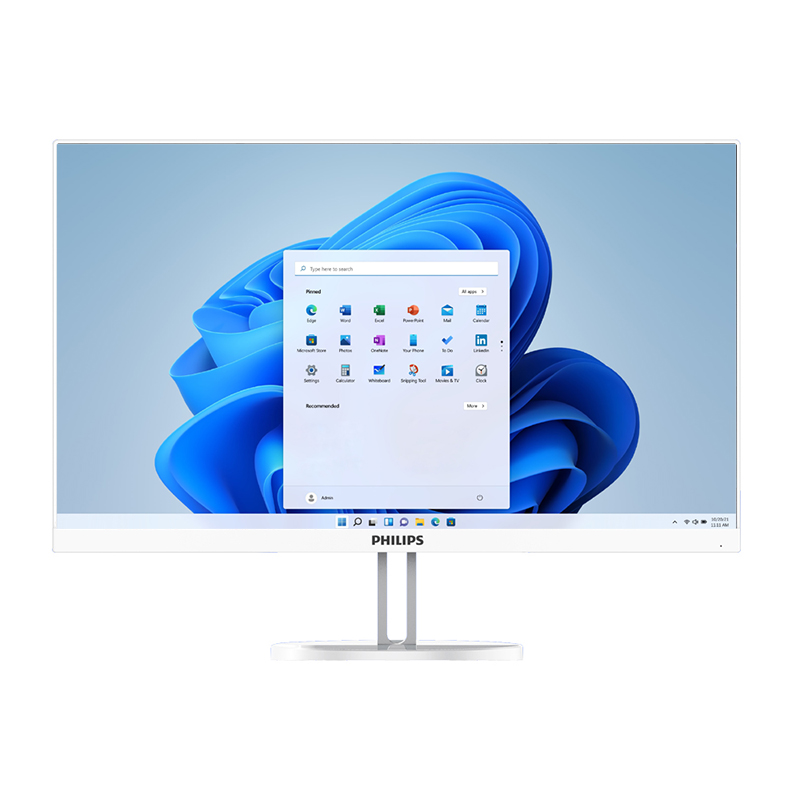
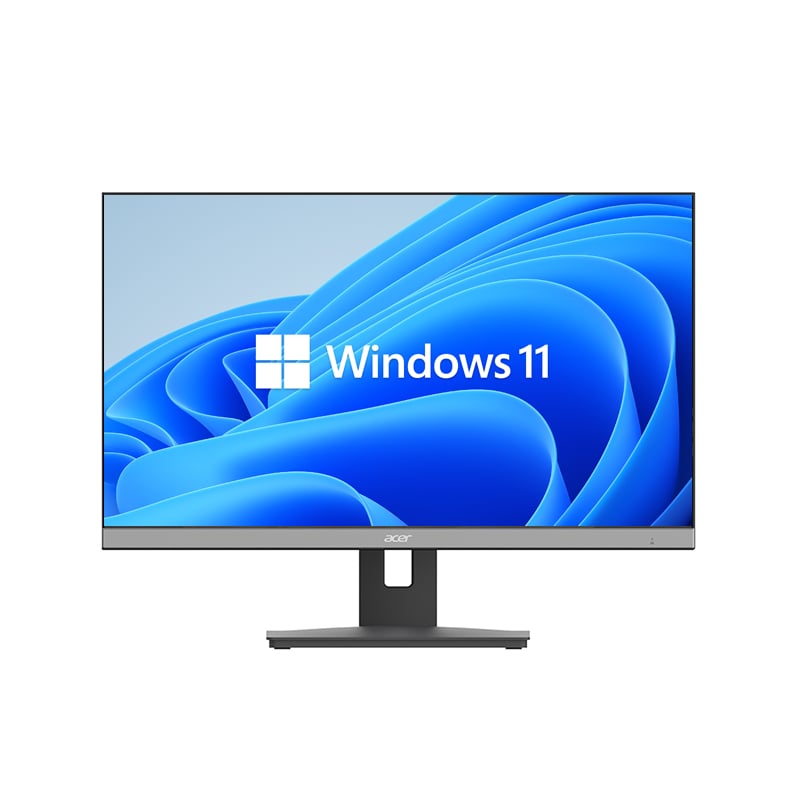
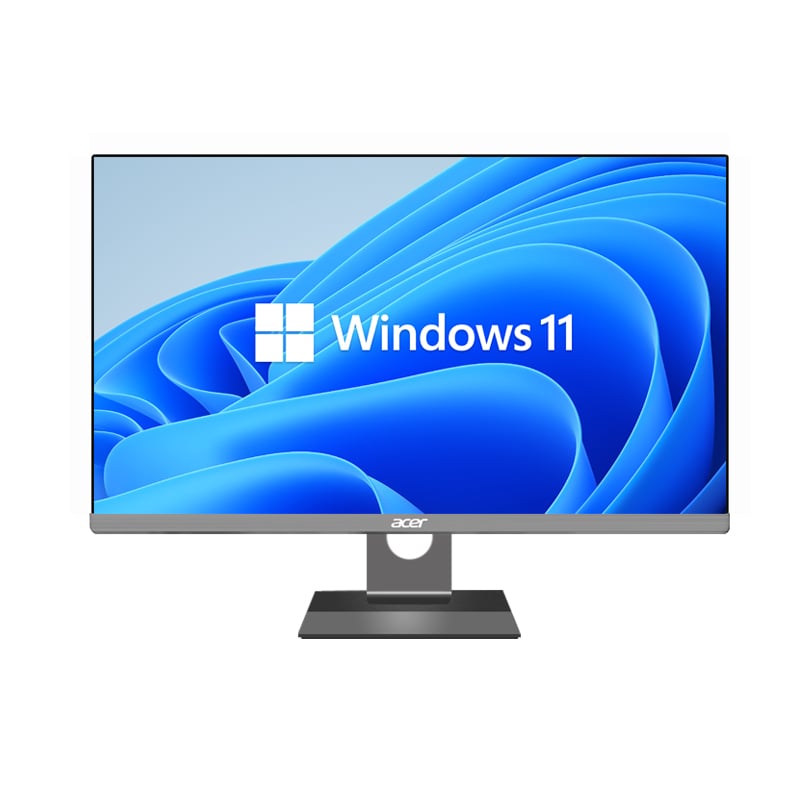
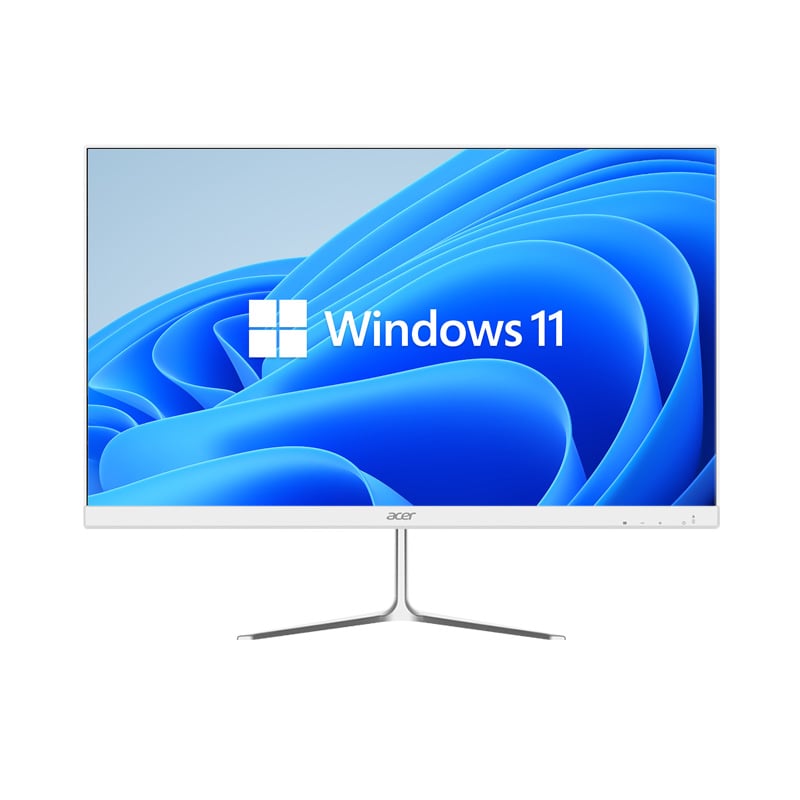
School IT teams face increasingly complex challenges in managing technology infrastructure across classrooms, labs, and administrative offices. All-in-one PCs have emerged as a game-changing solution, offering streamlined management and enhanced efficiency for educational institutions. These integrated computing systems combine the monitor and processing unit into a single, elegant device, revolutionizing how schools approach their technology deployment and maintenance strategies.
The education sector's unique demands require technology solutions that balance performance, durability, and ease of management. All-in-one PCs address these needs by providing a comprehensive package that simplifies installation, reduces cable clutter, and streamlines IT support processes. This innovative approach to educational computing is transforming how schools operate and maintain their technology resources.
The compact design of all-in-one PCs offers significant advantages for classroom layout and space utilization. Traditional desktop setups with separate monitors, towers, and peripheral devices often create cramped learning environments. In contrast, all-in-one systems require minimal desk space, allowing schools to optimize their classroom arrangements and create more collaborative learning areas.
Beyond physical space savings, these streamlined systems contribute to a more organized and professional appearance in educational spaces. The reduction in cable clutter not only improves aesthetics but also reduces potential safety hazards and simplifies cleaning procedures for maintenance staff.
IT teams benefit tremendously from the integrated nature of all-in-one PCs. With fewer components to manage and replace, maintenance becomes more straightforward and time-efficient. The unified design means fewer potential points of failure, reducing the frequency of technical issues and simplifying troubleshooting processes.
When maintenance is required, the modular nature of modern all-in-one systems allows for quick component access and replacement. This efficiency translates to reduced downtime for students and faculty, ensuring that educational activities continue with minimal interruption.
While the initial investment in all-in-one PCs may seem comparable to traditional desktop setups, the long-term financial advantages become apparent through reduced maintenance costs and improved energy efficiency. These integrated systems typically consume less power than separate components, leading to noticeable savings on energy bills over time.
Additionally, the simplified infrastructure requirements mean fewer replacement parts to stock and manage, reducing inventory costs and storage needs. The extended lifecycle of all-in-one systems, coupled with their reliability, provides excellent return on investment for educational institutions.
IT departments can allocate their resources more effectively with all-in-one PC deployments. The standardized nature of these systems simplifies asset tracking, software distribution, and system updates. This uniformity reduces the complexity of managing multiple hardware configurations and allows IT staff to focus on more strategic initiatives.
The streamlined management approach enables schools to maintain consistent technology standards across different departments and grade levels, ensuring equal access to computing resources throughout the institution.
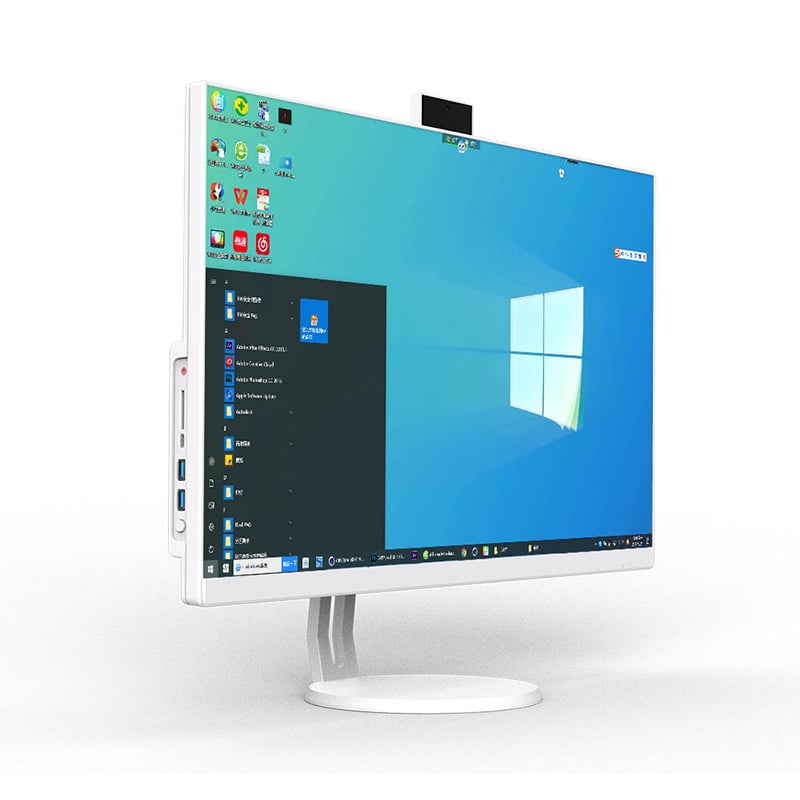
All-in-one PCs facilitate better security management through their integrated design. IT teams can implement comprehensive security protocols more efficiently, with fewer potential vulnerabilities compared to systems with multiple separate components. The centralized nature of these systems enables more effective monitoring and control of network access and user activities.
Modern all-in-one systems often include built-in security features such as encrypted storage, secure boot capabilities, and hardware-level protection against unauthorized access. These features provide additional layers of security while simplifying the implementation of school-wide security policies.
Managing software updates and system maintenance becomes more streamlined with all-in-one PCs. IT teams can deploy updates and patches more efficiently across standardized hardware platforms, reducing the time and effort required for system maintenance. The consistent hardware configuration also minimizes compatibility issues and simplifies troubleshooting procedures.
Automated update management tools work more effectively with standardized all-in-one systems, allowing IT staff to schedule and monitor updates across the entire school network with greater precision and control.
All-in-one PCs provide excellent scalability options for growing educational institutions. Their standardized design and simplified deployment process make it easier to expand technology resources as needed. Schools can add new units or upgrade existing systems without significant infrastructure changes or complex installation requirements.
The modular nature of modern all-in-one systems also supports future upgrades and adaptations to new educational technology requirements. This flexibility ensures that schools can maintain current technology standards without complete system replacements.
The environmental benefits of all-in-one PCs align with many schools' sustainability goals. These systems typically have a smaller carbon footprint due to their efficient design and reduced power consumption. The integrated construction also means fewer materials used in manufacturing and less electronic waste when devices reach end-of-life.
Schools can demonstrate environmental responsibility while achieving their technology objectives, creating a positive example for students and the community. The reduced energy consumption and longer lifecycle of all-in-one systems contribute to both environmental and financial sustainability.
Modern all-in-one PCs offer comparable performance to traditional desktop systems, with many models featuring powerful processors, ample memory, and dedicated graphics capabilities. The integrated design has been optimized to provide excellent performance while maintaining efficient cooling and power management.
All-in-one PCs generally require less maintenance than traditional desktop setups. Regular maintenance typically includes software updates, periodic cleaning of cooling vents, and occasional system diagnostics. The integrated design reduces the number of components that need regular attention.
With proper maintenance and care, all-in-one PCs typically remain viable for 4-6 years in educational settings. Many models offer upgrade options for memory and storage, extending their useful life. The standardized nature of these systems also helps ensure consistent performance throughout their lifecycle.
 EN
EN
 AR
AR
 BG
BG
 HR
HR
 CS
CS
 DA
DA
 NL
NL
 FR
FR
 DE
DE
 EL
EL
 HI
HI
 IT
IT
 JA
JA
 KO
KO
 NO
NO
 PL
PL
 PT
PT
 RO
RO
 RU
RU
 ES
ES
 SV
SV
 TL
TL
 IW
IW
 ID
ID
 SR
SR
 SK
SK
 VI
VI
 HU
HU
 TH
TH
 TR
TR
 FA
FA
 AF
AF
 MS
MS
 SW
SW
 UR
UR
 BN
BN
 HA
HA
 KM
KM
 MN
MN
 UZ
UZ