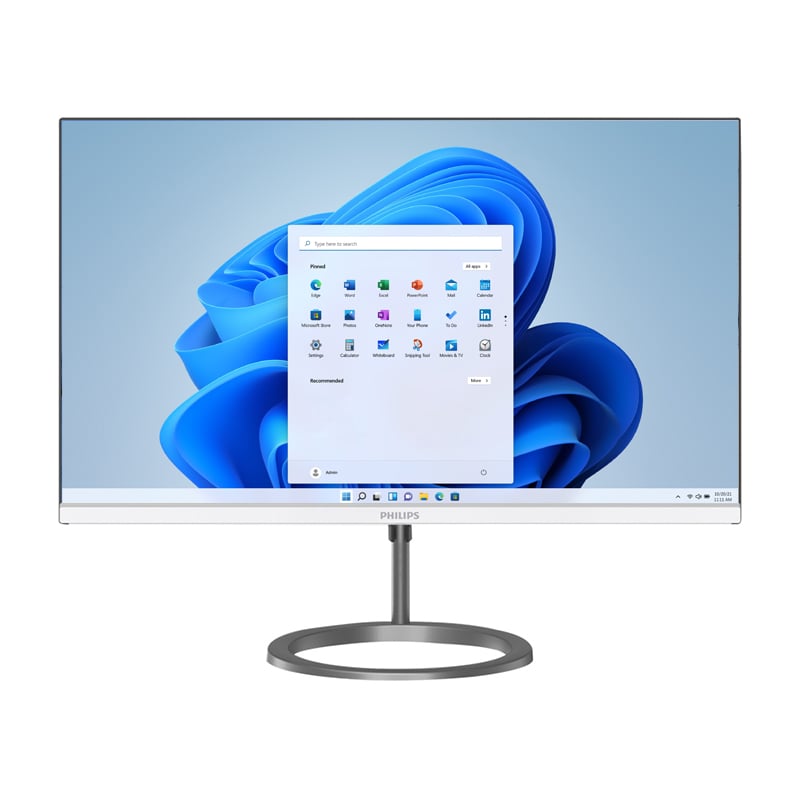
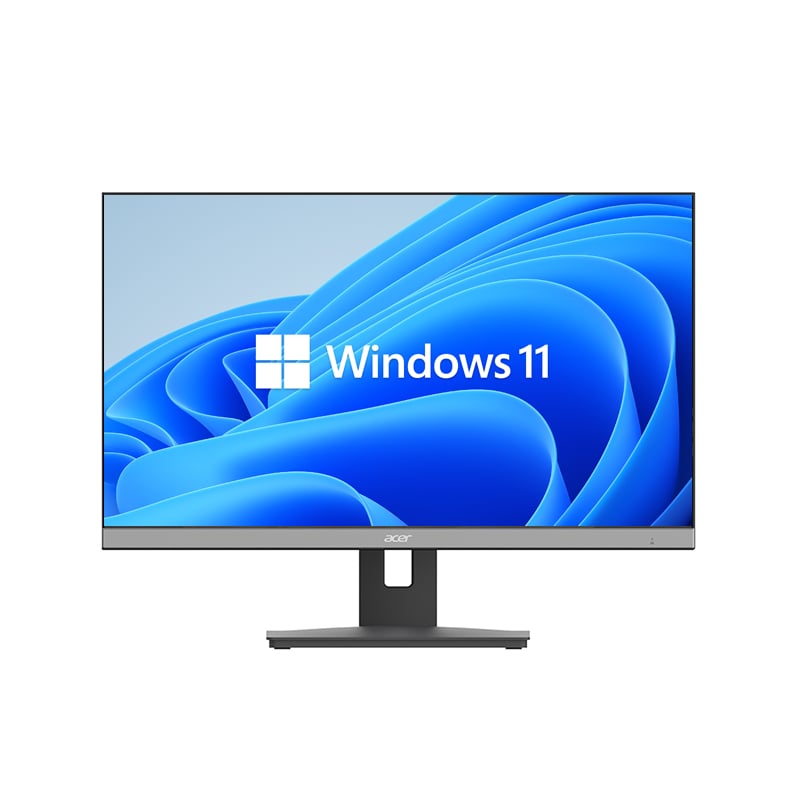
Modern office environments increasingly face the challenge of maximizing productivity within constrained physical spaces. As commercial real estate costs continue to rise and remote work transforms traditional office layouts, businesses must optimize every square foot of their workspace. A mini desktop computer emerges as the perfect solution for these space-limited environments, offering the full computing power of traditional desktop systems while occupying a fraction of the physical footprint.
The space efficiency of a mini desktop computer directly addresses the fundamental constraints that limit productivity in cramped office environments. Unlike bulky tower systems that consume valuable desk real estate and require dedicated floor space, these compact computing solutions integrate seamlessly into any workspace configuration. This spatial optimization becomes particularly crucial for businesses operating in expensive urban markets, shared office spaces, or environments where every square inch carries premium value.
A mini desktop computer typically measures between 4 to 8 inches in width, depth, and height, consuming roughly 90% less desk space than traditional tower computers. This dramatic size reduction allows offices to accommodate more workstations within the same floor area, effectively increasing workspace density without compromising functionality. The compact form factor also eliminates the need for dedicated computer storage areas beneath desks, freeing up valuable legroom and storage space for employees.
The reduced physical presence of a mini desktop computer enables more flexible furniture arrangements and workspace configurations. Offices can implement hot-desking strategies more effectively, as these compact systems can be easily relocated or reconfigured based on changing team structures. This flexibility proves particularly valuable for businesses experiencing rapid growth or seasonal workforce fluctuations, where workspace needs constantly evolve.
Traditional desktop towers often force awkward desk layouts that compromise ergonomics and workflow efficiency. A mini desktop computer can be positioned virtually anywhere on or near the desk surface, including mounting behind monitors or tucking into small corners. This positioning flexibility allows for optimal cable management and maintains clean, organized workspaces that enhance employee focus and productivity.
The minimal footprint of a mini desktop computer preserves valuable desk real estate for essential work materials, documents, and personal items. Employees can maintain larger work surfaces for writing, sketching, or spreading out project materials, which proves especially important in creative and analytical roles. This expanded usable desk space directly correlates with improved task completion rates and reduced workspace-related stress.
Office space costs represent one of the largest operational expenses for most businesses, particularly in prime commercial locations. A mini desktop computer enables companies to maximize the productive capacity of existing spaces without requiring costly expansions or relocations. By reducing the physical footprint required per workstation, businesses can accommodate more employees within their current lease agreements, effectively reducing per-employee real estate costs.
The space savings achieved through mini desktop computer deployment can be reinvested into collaborative areas, meeting rooms, or employee amenities that enhance overall workplace satisfaction and productivity. This strategic space reallocation often produces measurable improvements in team collaboration and employee retention rates, generating long-term value that extends beyond simple cost savings.
Mini desktop computer systems typically consume 60-80% less electricity than traditional tower computers, generating significant operational savings over time. This reduced power consumption also decreases heat generation, reducing the load on office air conditioning systems and further lowering utility costs. The cumulative energy savings become particularly substantial in large office deployments where dozens or hundreds of computers operate simultaneously.
Lower energy consumption of a mini desktop computer also supports corporate sustainability initiatives and may qualify businesses for green building certifications or energy efficiency rebates. These environmental benefits often align with corporate social responsibility goals while providing measurable cost reductions that improve overall operational efficiency.
Modern mini desktop computer systems incorporate the same advanced processors found in full-sized desktops, delivering comparable performance for most business applications. These compact systems handle typical office workloads including document processing, web browsing, email management, and video conferencing without performance compromises. Advanced thermal management and efficient component design ensure sustained performance even during intensive multitasking scenarios.
The processing capabilities of a mini desktop computer support demanding applications such as graphic design software, data analysis tools, and development environments. Many models offer upgradeable memory and storage options, allowing businesses to scale performance as needs evolve without replacing entire systems. This upgrade flexibility provides long-term value and ensures that compact systems can adapt to changing software requirements.
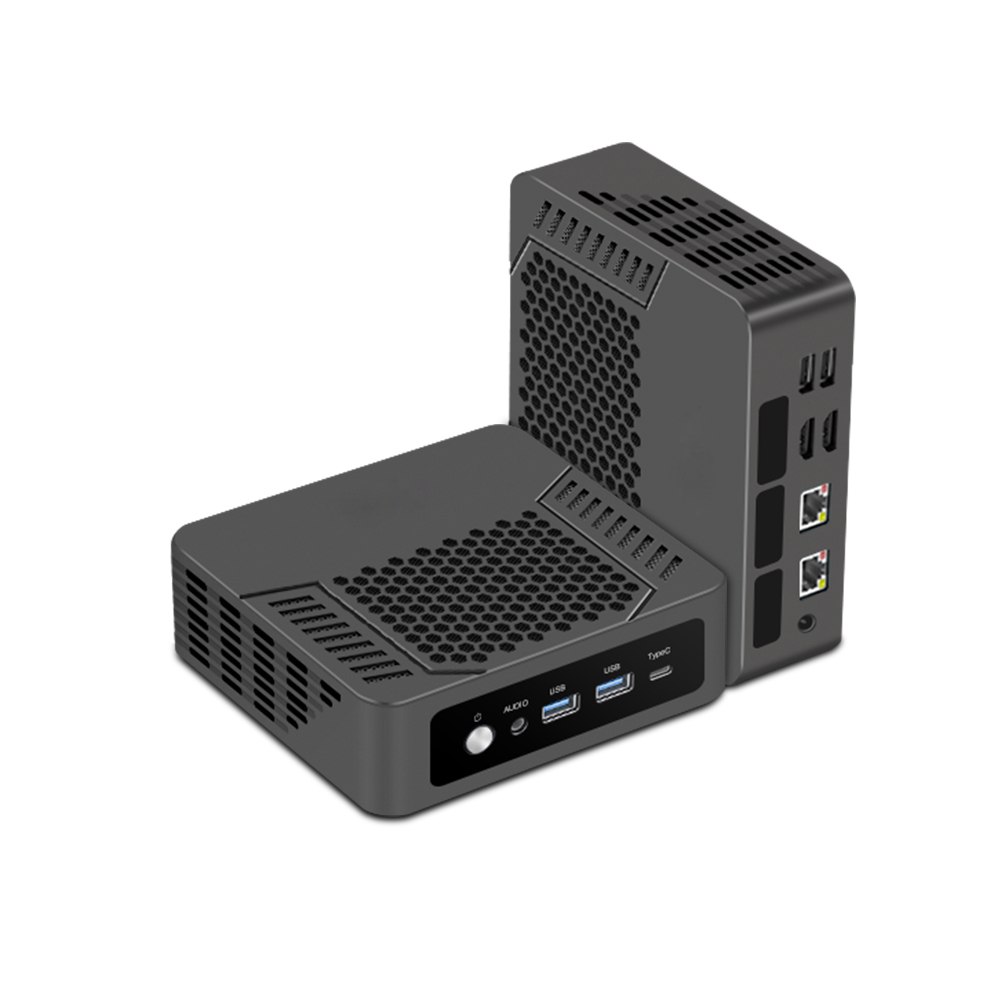
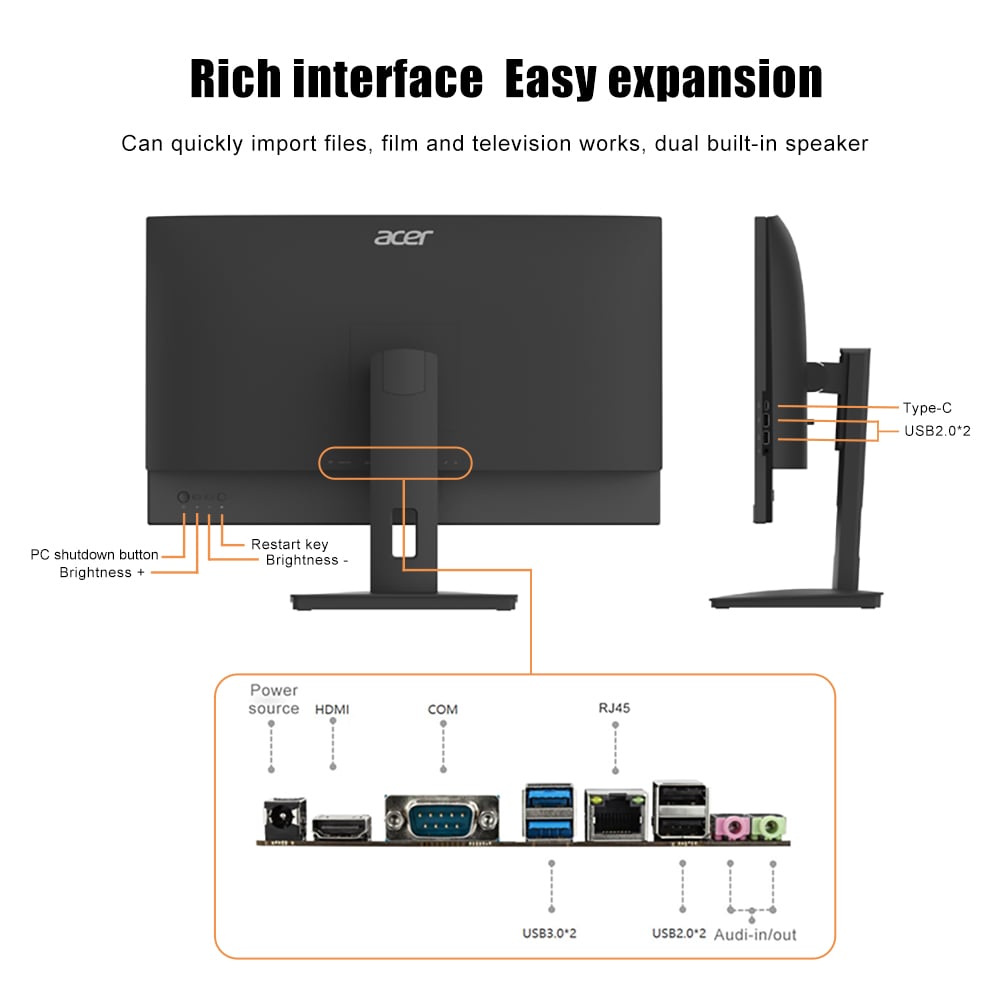
Despite their compact size, most mini desktop computer models provide comprehensive connectivity options including multiple USB ports, HDMI outputs, Ethernet connections, and wireless capabilities. This extensive connectivity ensures compatibility with existing office peripherals and supports multi-monitor setups that enhance productivity in space-constrained environments. The ability to drive multiple displays allows employees to maximize screen real estate even when desk space remains limited.
Modern mini desktop computer systems often include advanced wireless technologies such as Wi-Fi 6 and Bluetooth 5.0, reducing cable clutter and supporting flexible workspace arrangements. These wireless capabilities prove particularly valuable in offices where running additional cables would be costly or impractical, enabling quick workstation setup and reconfiguration as business needs change.
The growing trend toward flexible work arrangements and hot-desking strategies benefits significantly from mini desktop computer deployment. These compact systems can be easily relocated, shared among multiple users, or integrated into mobile workstation setups. The reduced weight and size of a mini desktop computer make it practical for employees to transport systems between different work areas or even take them home for remote work scenarios.
In shared office environments and co-working spaces, a mini desktop computer provides personal computing power without monopolizing valuable shared resources. The compact form factor allows for higher desk turnover rates and more efficient space utilization, which directly impacts the profitability and sustainability of flexible workspace models. This efficiency becomes particularly important as businesses increasingly adopt hybrid work models that require adaptable technology solutions.
As businesses grow or reorganize, the compact nature of a mini desktop computer simplifies workspace expansion and reconfiguration. Adding new workstations requires minimal space planning and can often be accomplished within existing floor plans. This scalability advantage allows businesses to respond quickly to growth opportunities without the delays and costs associated with major office renovations or relocations.
The mini desktop computer market continues to evolve with advancing technology, ensuring that compact systems remain viable for future computing needs. Regular product refreshes and backward compatibility maintain investment protection while providing clear upgrade paths that preserve existing workspace configurations. This technological evolution supports long-term planning and helps businesses avoid the disruption of frequent major system overhauls.
Yes, modern mini desktop computer systems run the same operating systems and software applications as traditional desktop computers. They support standard business software including Microsoft Office, web browsers, video conferencing applications, and most professional software packages. Performance may vary based on specific model specifications, but typical office tasks run smoothly on quality mini desktop computer systems.
A mini desktop computer typically saves 80-90% of the desk space required by traditional tower computers. While a standard desktop tower might occupy 2-3 square feet of floor or desk space, a mini desktop computer usually requires less than 0.5 square feet. This space savings can be substantial across multiple workstations, potentially allowing businesses to fit 20-30% more employees in the same office area.
Quality mini desktop computer systems offer reliability comparable to traditional desktop computers when properly maintained and operated within their designed parameters. Many models include solid-state drives that are more durable than traditional hard drives, and the reduced number of moving parts often results in lower failure rates. Most reputable manufacturers provide standard business warranties and support services for their mini desktop computer products.
The primary limitations of a mini desktop computer include reduced upgrade options compared to full-sized towers, potentially limited high-end graphics capabilities for specialized applications, and fewer internal expansion slots. However, for typical office work including document processing, web applications, and business software, these limitations rarely impact daily productivity. Consider your specific software requirements and future upgrade needs when evaluating whether a mini desktop computer meets your business requirements.
 EN
EN
 AR
AR
 BG
BG
 HR
HR
 CS
CS
 DA
DA
 NL
NL
 FR
FR
 DE
DE
 EL
EL
 HI
HI
 IT
IT
 JA
JA
 KO
KO
 NO
NO
 PL
PL
 PT
PT
 RO
RO
 RU
RU
 ES
ES
 SV
SV
 TL
TL
 IW
IW
 ID
ID
 SR
SR
 SK
SK
 VI
VI
 HU
HU
 TH
TH
 TR
TR
 FA
FA
 AF
AF
 MS
MS
 SW
SW
 UR
UR
 BN
BN
 HA
HA
 KM
KM
 MN
MN
 UZ
UZ