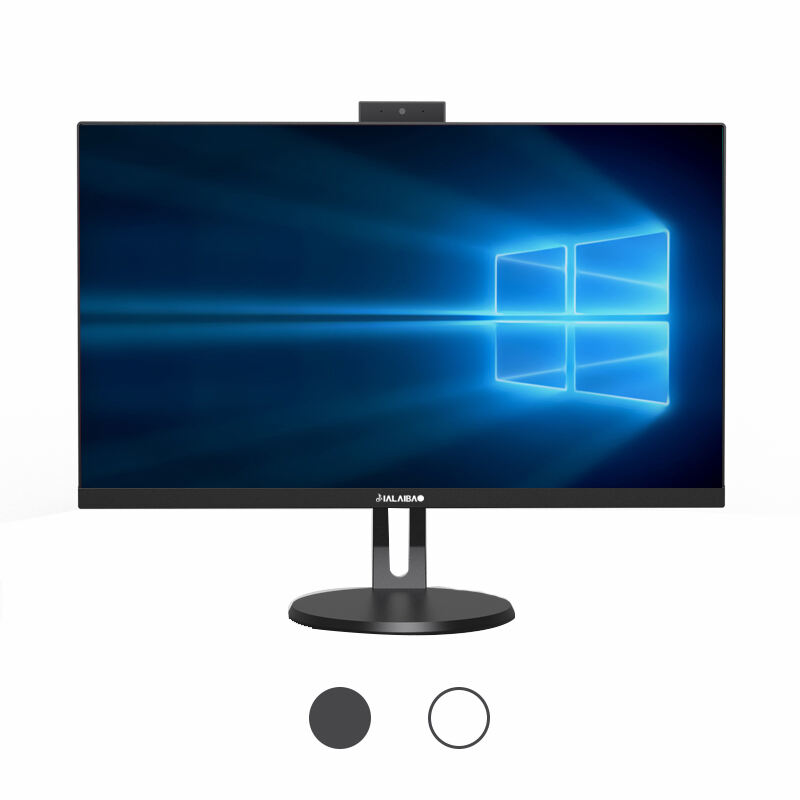
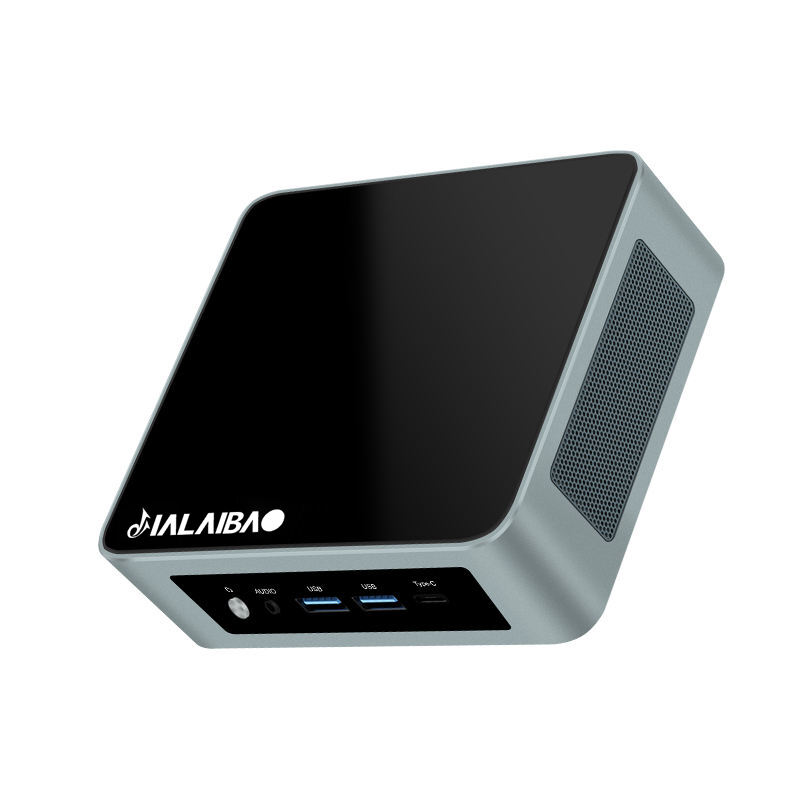
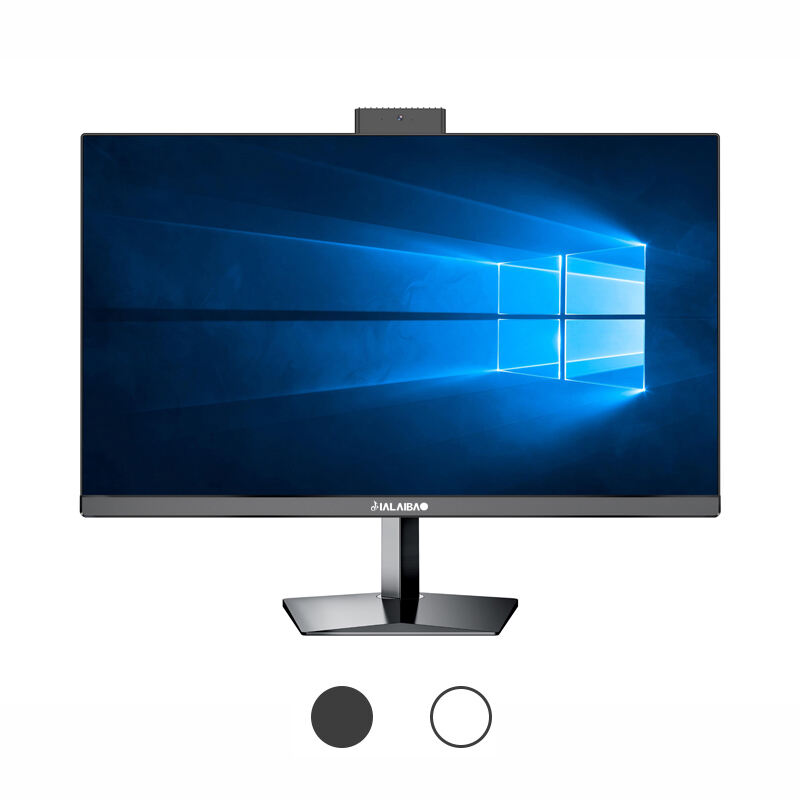
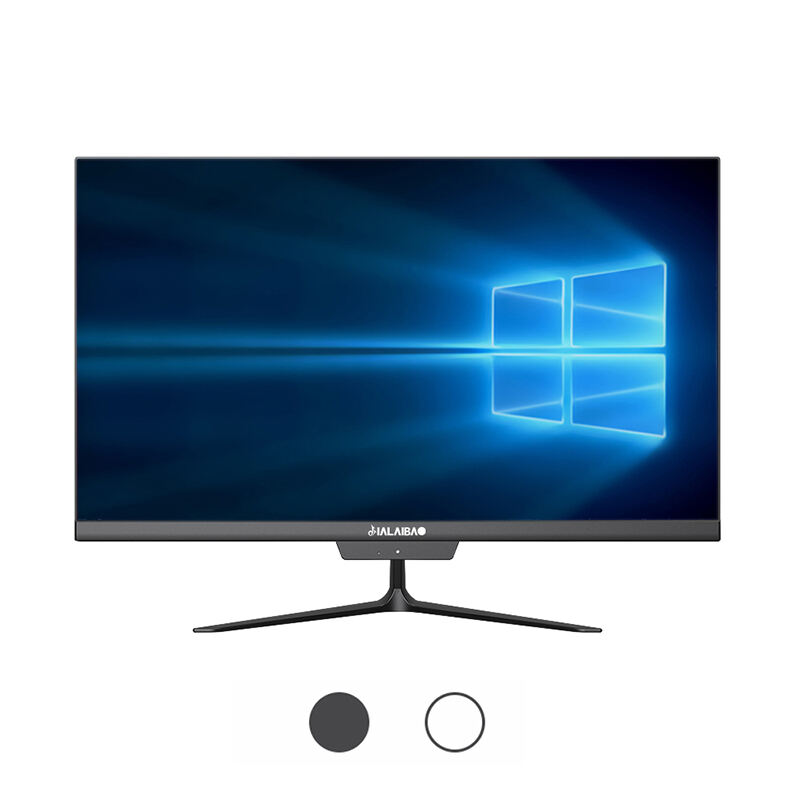
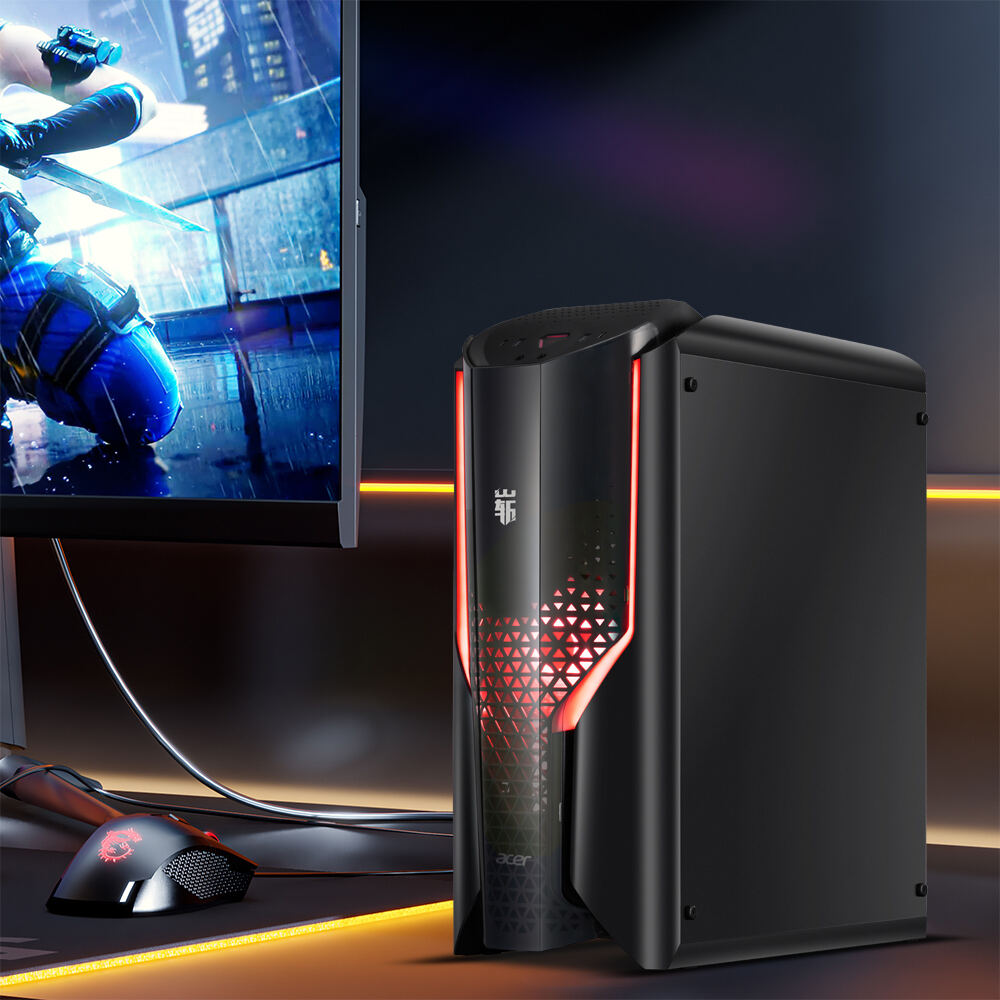
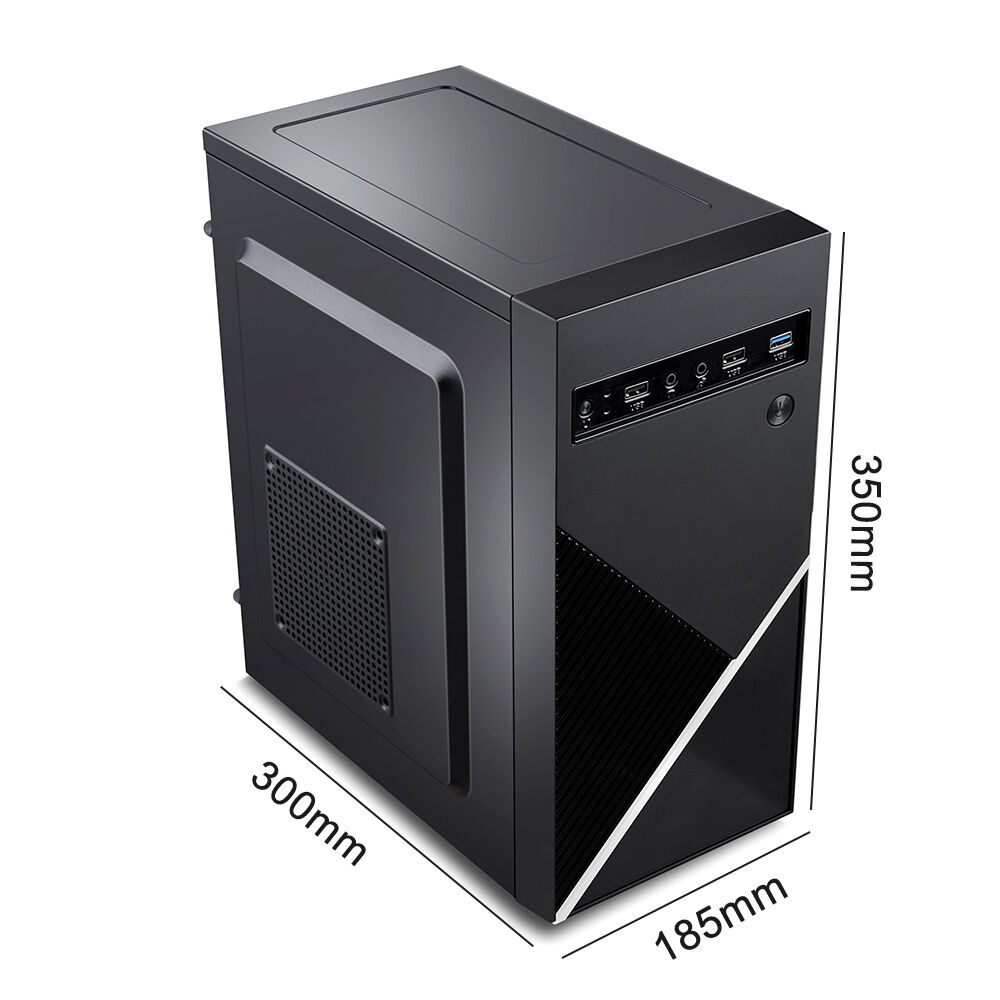
commercial desktop
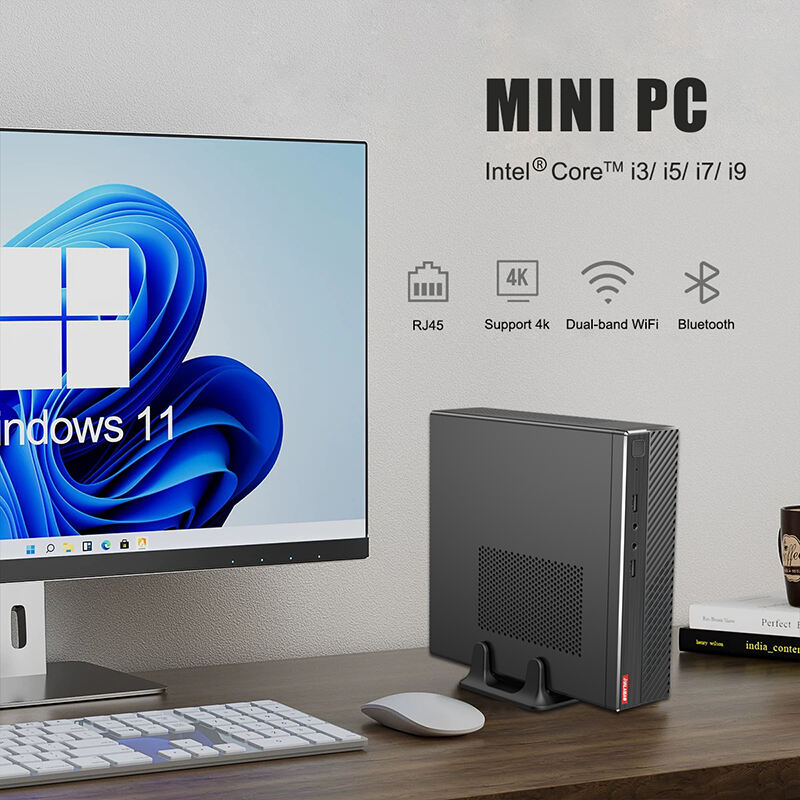
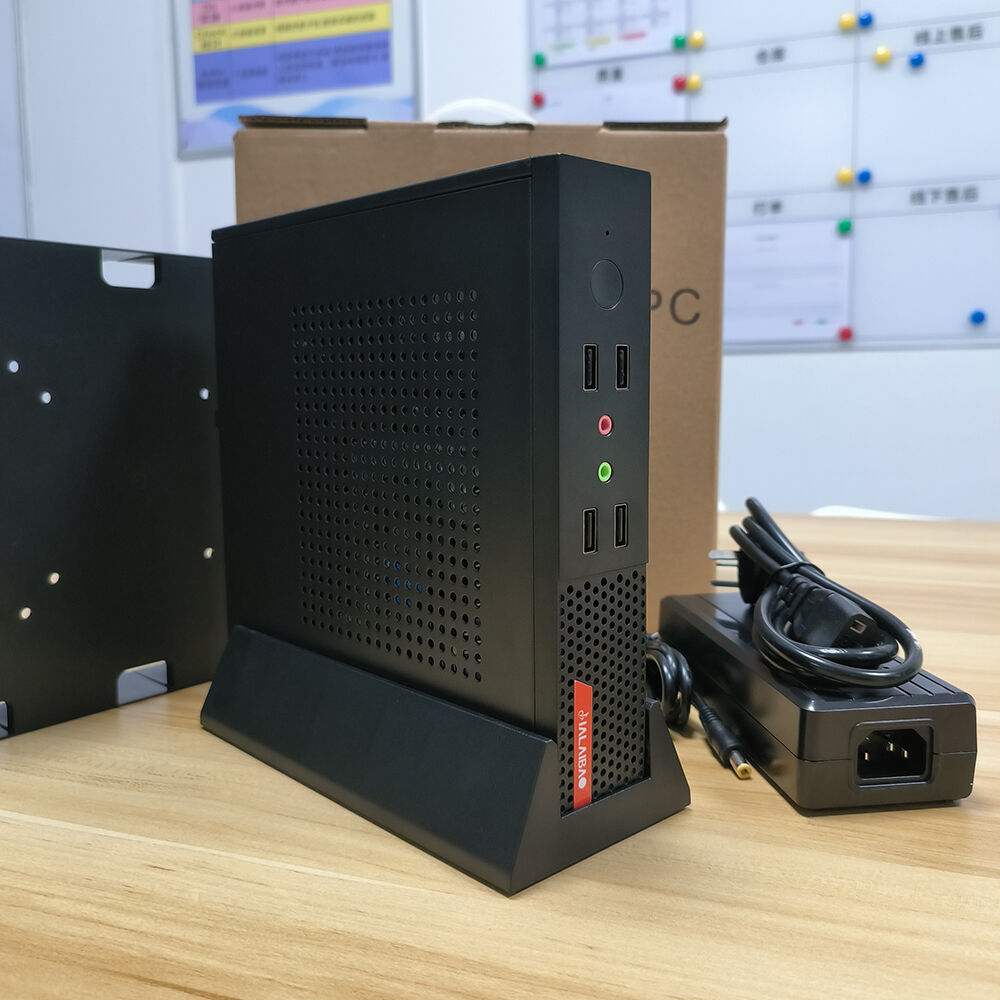
The commercial desktop represents a cornerstone of modern business infrastructure, delivering robust computing solutions tailored specifically for professional environments. Unlike consumer-grade systems, the commercial desktop integrates enterprise-level components designed to withstand continuous operation while maintaining peak performance standards. These sophisticated machines incorporate advanced processor architectures, typically featuring multi-core Intel or AMD processors optimized for business applications, ensuring seamless multitasking capabilities across demanding workflows. Memory configurations in commercial desktop systems often exceed standard consumer models, with expandable RAM options reaching 64GB or higher to accommodate resource-intensive applications. Storage solutions emphasize both speed and reliability, featuring solid-state drives for rapid boot times and application loading, complemented by traditional hard drives for extensive data storage needs. The commercial desktop framework includes comprehensive security features, such as hardware-based encryption, secure boot processes, and integrated authentication systems that protect sensitive business data from unauthorized access. Network connectivity options span multiple protocols, including Gigabit Ethernet, Wi-Fi 6 compatibility, and Bluetooth integration for diverse peripheral connections. Graphics capabilities range from integrated solutions suitable for standard office tasks to dedicated graphics cards supporting CAD applications, video editing, and design workflows. Expansion slots accommodate future hardware upgrades, ensuring longevity and adaptability as business requirements evolve. Port configurations provide extensive connectivity options, including USB-A, USB-C, DisplayPort, HDMI, and audio connections to support various peripherals and display configurations. Energy efficiency standards meet corporate sustainability goals while reducing operational costs through optimized power consumption profiles. The commercial desktop architecture supports virtualization technologies, enabling efficient resource allocation across multiple virtual environments within a single physical system.