Information technology teams across enterprises and organizations face mounting pressure to deliver flexible, cost-effective computing solutions without sacrificing performance or customization capabilities. One approach that has gained significant traction among IT professionals is the deployment of barebone mini pc systems for custom builds. These compact, pre-configured platforms offer a unique blend of advantages that traditional off-the-shelf computers and fully custom builds cannot match. Understanding why barebone mini pc solutions have become the preferred choice for IT teams requires examining their technical merits, business value, and practical implementation benefits in modern computing environments.
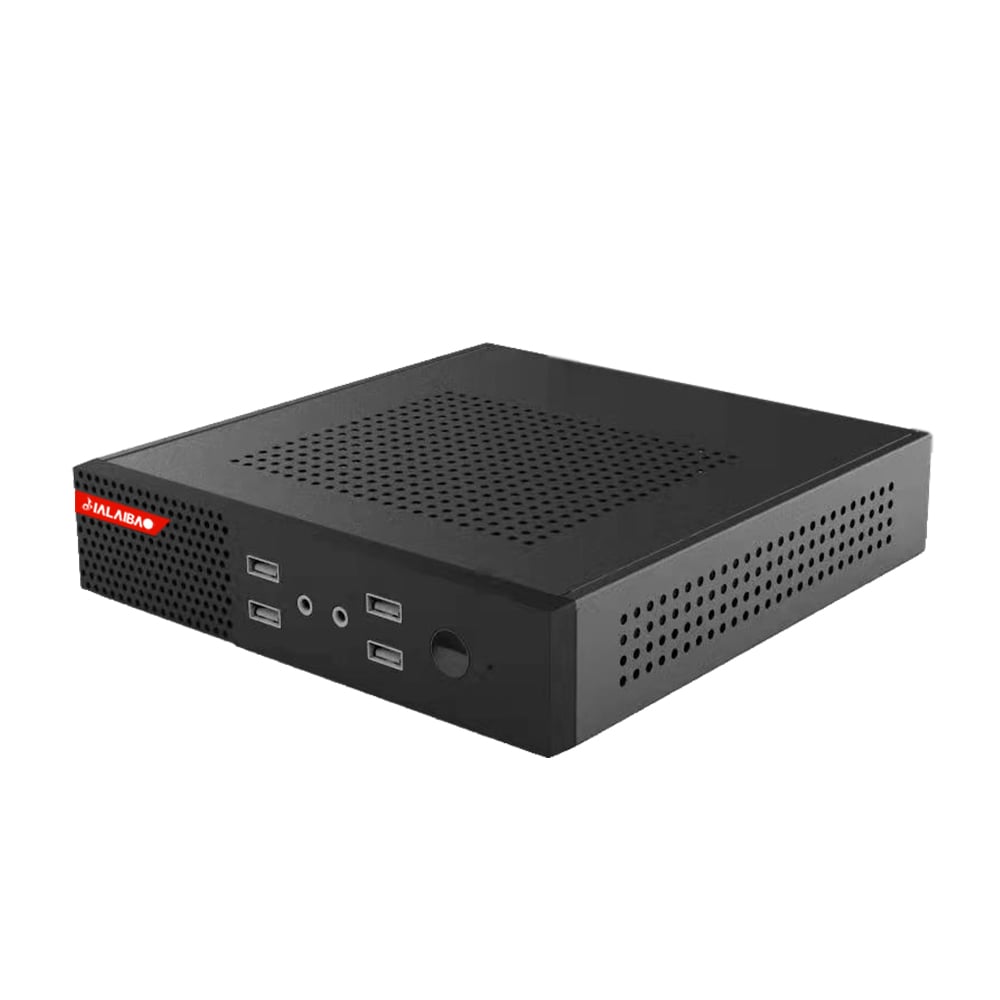
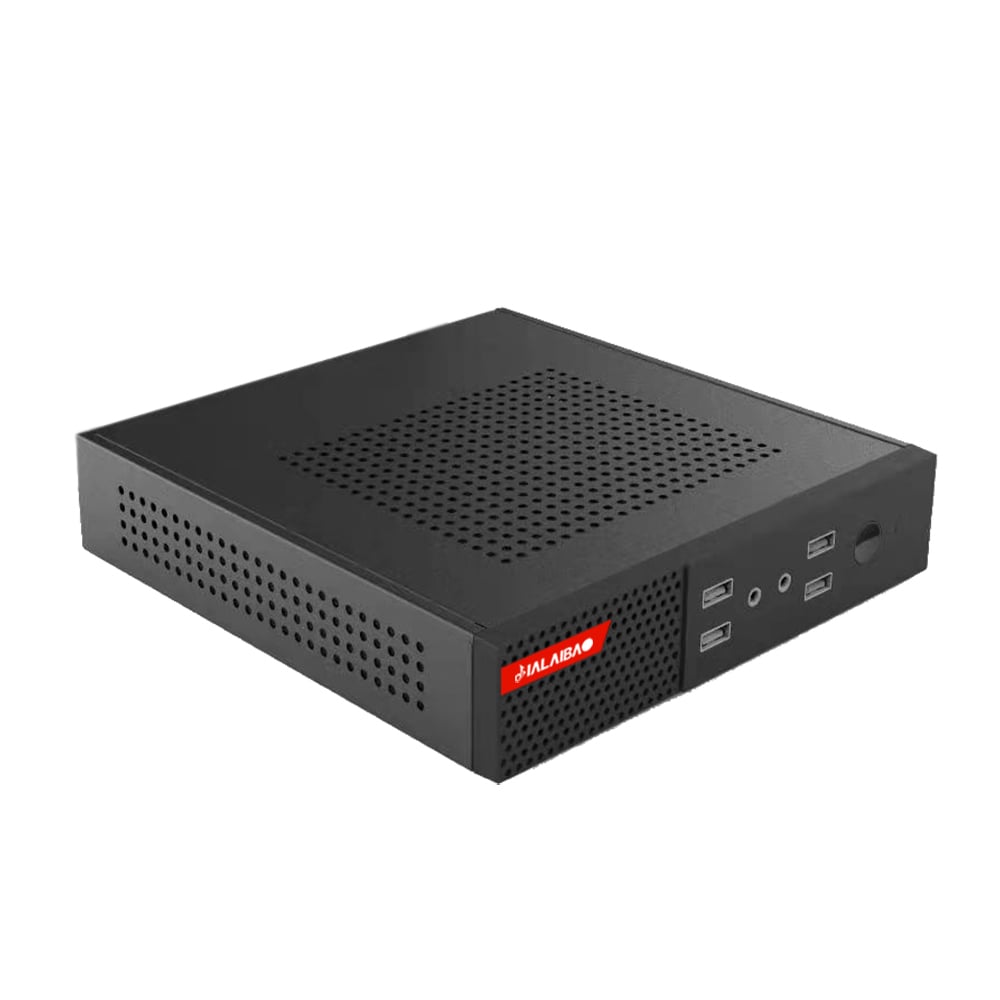
A barebone mini pc represents a thoughtfully engineered middle ground between complete system integration and component-level customization. These systems arrive with essential infrastructure already installed—typically including the motherboard, chassis, power supply, and cooling solution—while leaving critical performance components like processors, memory modules, and storage devices for the customer to select and install. This model directly addresses the strategic priorities of IT teams who need both standardization and flexibility within their hardware portfolios.
IT teams managing diverse departmental needs understand that one computing solution rarely fits all organizational requirements. The barebone mini pc architecture empowers teams to specify exact processor generations, memory configurations, and storage specifications that align with particular workload demands. A development team might select high-performance processors and maximum memory capacity, while a general office environment might optimize for energy efficiency and thermal management. This granular control ensures that every barebone mini pc deployment directly supports its intended business function without paying for unnecessary specifications or accepting compromised performance.
Beyond component selection, barebone mini pc systems allow IT teams to implement their preferred operating systems, security configurations, and software stacks before deployment. Unlike locked, proprietary systems, these platforms provide the transparency and accessibility that enterprise IT requires for compliance verification and security auditing. Teams can validate every software layer, configure network protocols, and ensure encryption standards meet corporate governance requirements before systems reach end users.
Technology cycles move rapidly, and IT managers must balance the costs of hardware replacement against the risks of deploying outdated equipment. A barebone mini pc design facilitates strategic upgrades throughout a system's operational lifecycle. When memory becomes insufficient or storage capacity needs expansion, the barebone mini pc architecture typically allows technicians to access and modify these components without replacing the entire system. This modularity extends hardware investment value and reduces total cost of ownership compared to sealed, non-upgradeable consumer systems.
Commercial computing systems often include expensive components, software licenses, and manufacturer support services that exceed actual organizational needs. The barebone mini pc model eliminates this premium overhead by separating the infrastructure investment from component selection. IT teams purchase exactly the memory capacity, processor performance, and storage solutions their workloads require, avoiding the markup costs inherent in fully integrated systems. This direct procurement approach typically reduces per-unit expenses by 20 to 35 percent compared to equivalent pre-configured systems, resulting in substantial savings across fleet deployments.
Furthermore, barebone mini pc systems reduce dependency on single manufacturer pricing structures and service agreements. Organizations can source memory modules, storage drives, and other components through competitive vendor channels, ensuring price transparency and negotiating favorable volume discounts. This purchasing flexibility proves especially valuable for IT departments managing budget constraints while maintaining service quality and performance standards.
Long-term financial planning requires accurate cost projections across hardware procurement, maintenance, energy consumption, and eventual retirement cycles. The barebone mini pc approach provides superior cost predictability because organizations fully understand their component specifications and associated operational expenses from deployment inception. Energy consumption can be precisely calculated based on selected processors and power management features. Maintenance costs align directly with component manufacturers' reliability data rather than proprietary support contracts. Replacement cycles follow technology roadmaps rather than unexpected obsolescence, enabling IT leaders to forecast multi-year technology budgets with greater confidence and accuracy.
Physical space represents a critical constraint in server rooms, branch offices, and edge computing deployments. The barebone mini pc form factor delivers exceptional computing power within minimal footprint requirements. These systems typically occupy 5 to 8 liters of physical volume, enabling organizations to deploy 10 to 15 units within the same space previously accommodating just 3 or 4 traditional desktop computers. This density advantage reduces facility infrastructure costs—less cooling capacity, reduced power distribution requirements, and minimized cabling complexity—while maintaining or exceeding computational performance for most enterprise workloads.
Remote locations and branch offices particularly benefit from barebone mini pc deployments. These sites often lack sophisticated IT infrastructure, making compact, power-efficient computing solutions essential. A single barebone mini pc can consolidate tasks that previously required multiple conventional systems, reducing on-site maintenance overhead, lowering power consumption, and improving local network reliability through architectural simplification.
Compact system design demands careful thermal engineering to ensure processors and memory operate within safe temperature parameters during sustained workloads. Modern barebone mini pc systems incorporate specialized cooling solutions—including fanless passive designs for ultra-quiet operation and advanced active cooling for higher-performance configurations. These engineering considerations result in systems that often demonstrate superior thermal stability compared to conventional desktop computers with generic cooling implementations.
The sealed design of most barebone mini pc systems also minimizes dust accumulation and contamination compared to open-frame desktop computers. Extended operating lifespans, reduced maintenance interventions, and lower failure rates directly strengthen the business case for barebone mini pc deployments within IT environments prioritizing reliability and continuous operation.
Complete pre-built systems arrive fully configured with all components selected by the manufacturer, leaving users no customization choices. A barebone mini pc, by contrast, provides the chassis, motherboard, and power infrastructure while allowing organizations to select processors, memory, and storage based on specific requirements. This distinction provides barebone mini pc solutions with superior flexibility while maintaining the engineering benefits of professional platform design that complete custom builds lack.
Most barebone mini pc designs incorporate standard form factors and accessible component bays, allowing qualified technicians to upgrade memory, storage, and other modular components without significant difficulty. The extent of upgradeability varies by specific barebone mini pc model, so IT teams should verify upgrade compatibility during procurement evaluation. This modular approach enables organizations to extend hardware investment value throughout multi-year operational cycles rather than accepting fixed specifications.
A barebone mini pc reduces total cost of ownership through multiple mechanisms: eliminating unnecessary premium components, enabling competitive component sourcing, facilitating mid-lifecycle upgrades, and reducing facility infrastructure demands through space efficiency. Additionally, the barebone mini pc model provides cost transparency, allowing IT managers to accurately forecast long-term expenses and align hardware investments with actual workload requirements rather than accepting manufacturer-imposed specifications and associated overhead costs.
 EN
EN
 AR
AR
 BG
BG
 HR
HR
 CS
CS
 DA
DA
 NL
NL
 FR
FR
 DE
DE
 EL
EL
 HI
HI
 IT
IT
 JA
JA
 KO
KO
 NO
NO
 PL
PL
 PT
PT
 RO
RO
 RU
RU
 ES
ES
 SV
SV
 TL
TL
 IW
IW
 ID
ID
 SR
SR
 SK
SK
 VI
VI
 HU
HU
 TH
TH
 TR
TR
 FA
FA
 AF
AF
 MS
MS
 SW
SW
 UR
UR
 BN
BN
 HA
HA
 KM
KM
 MN
MN
 UZ
UZ