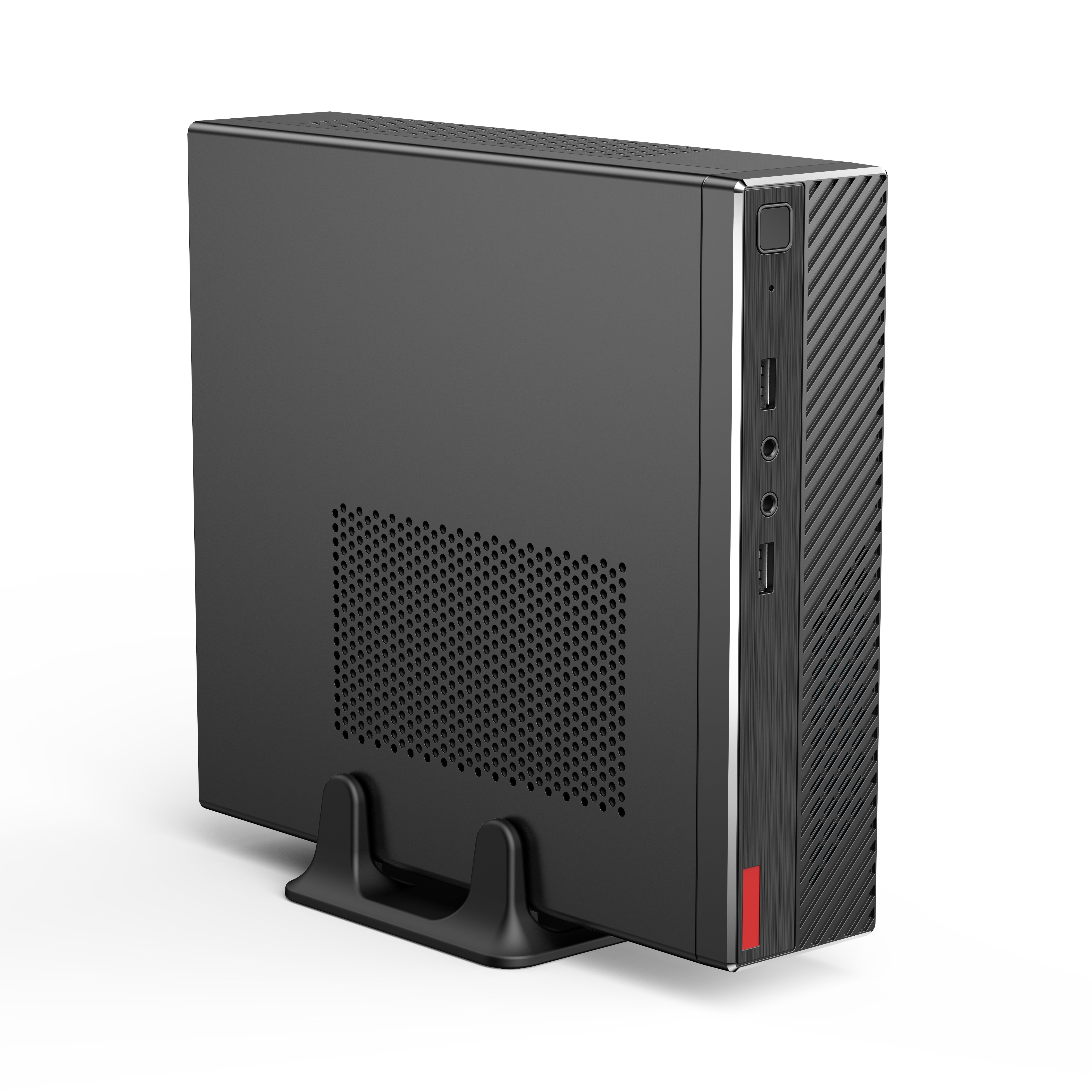
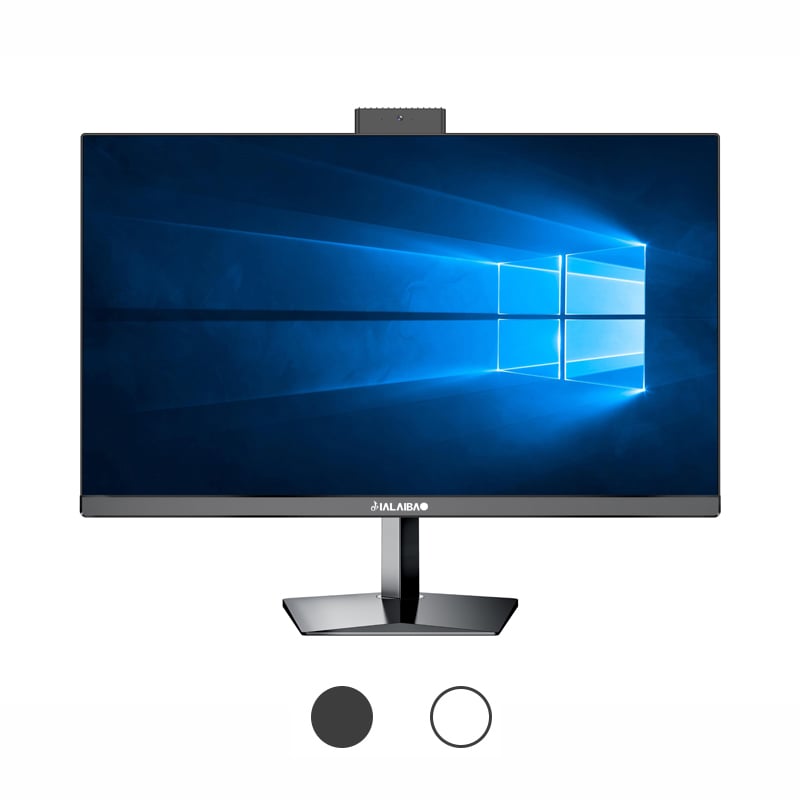
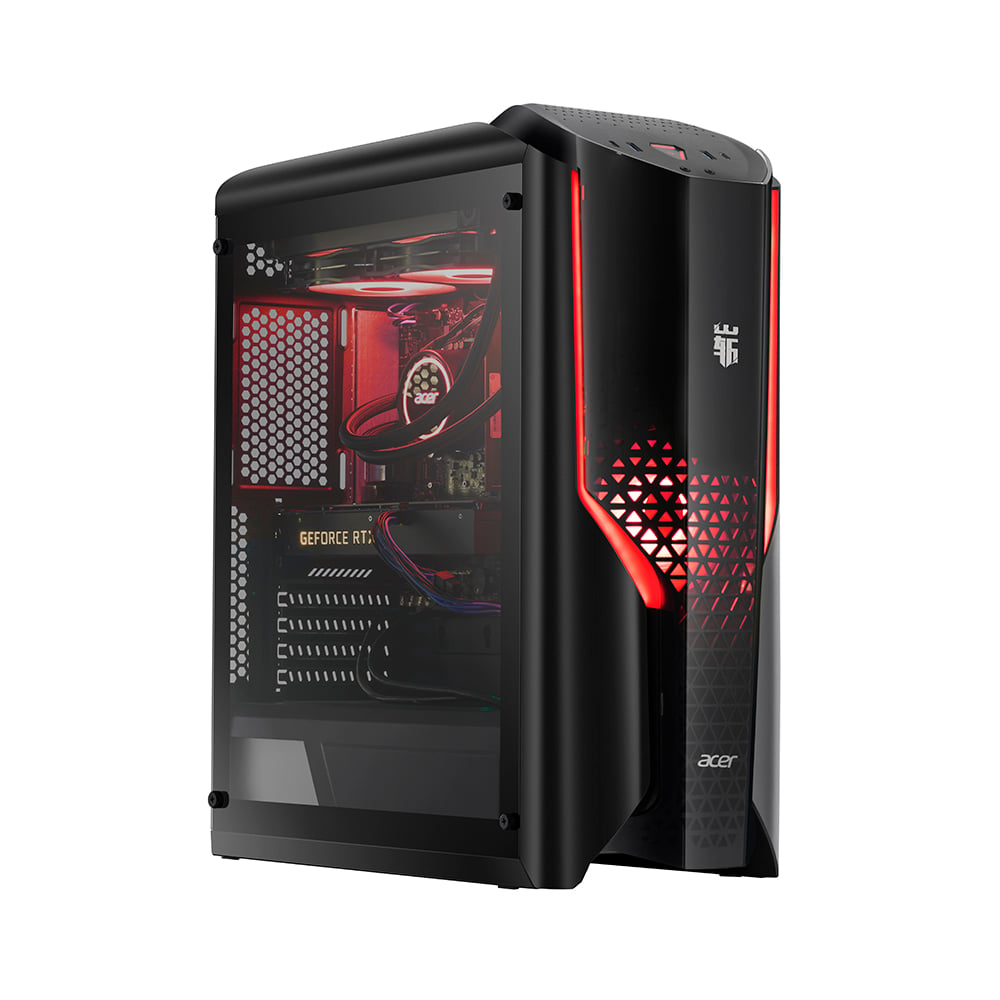
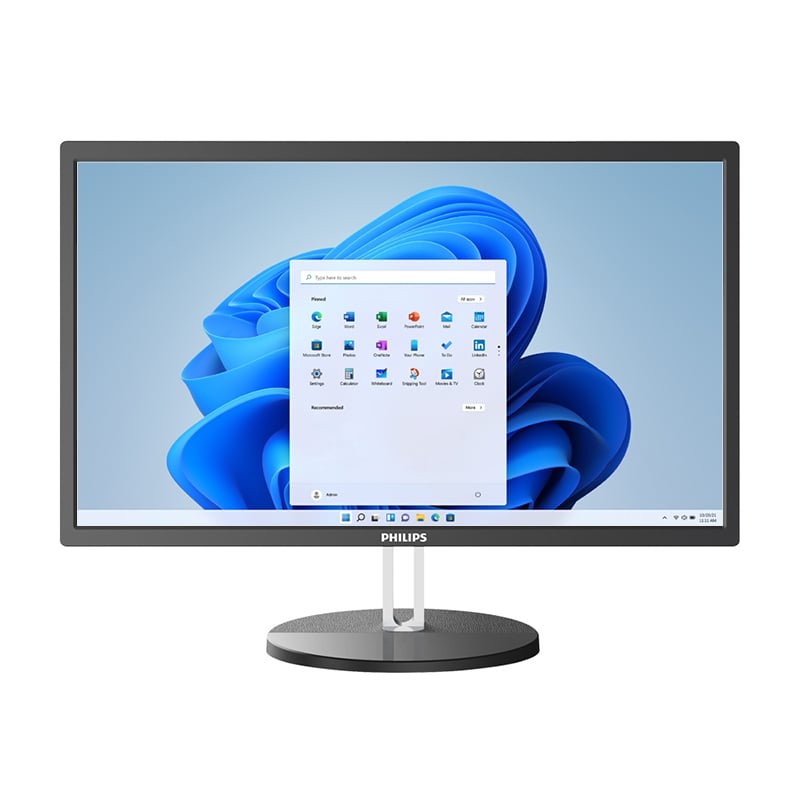
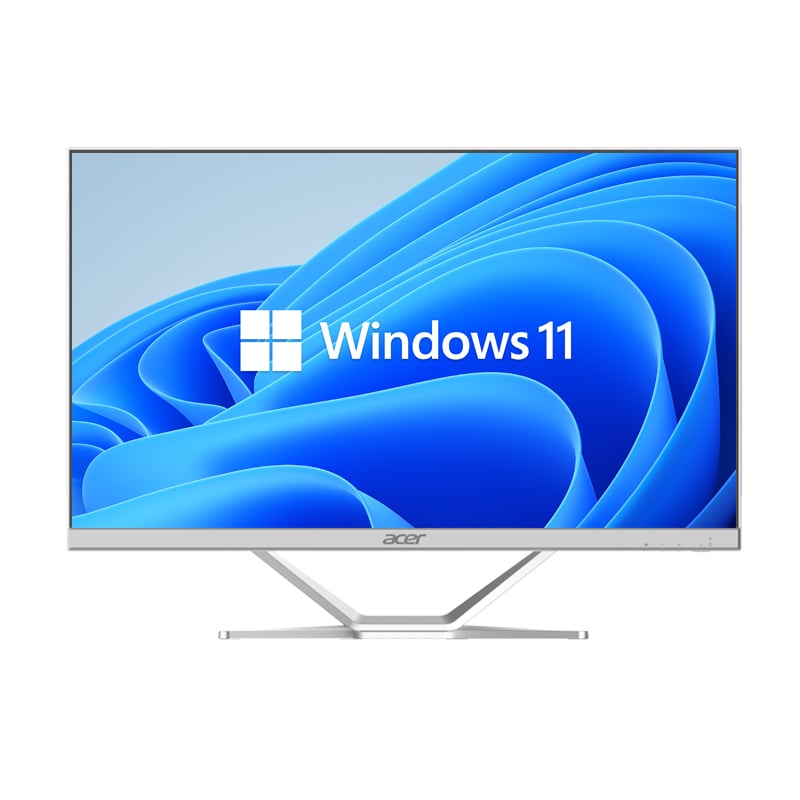
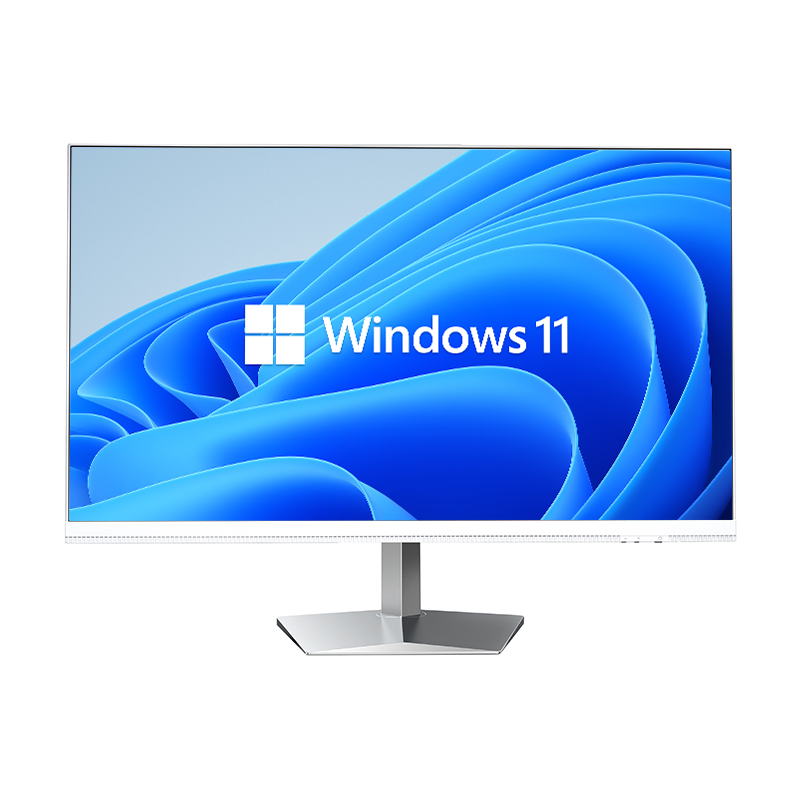
Enterprises across manufacturing, retail, healthcare, and logistics sectors are increasingly turning to barebone mini pc systems to build customized computing solutions that meet their exact operational requirements. Unlike off-the-shelf desktop or laptop systems, a barebone mini pc provides a pre-configured foundation—including chassis, motherboard, cooling system, and power supply—while allowing organizations to select and integrate specific processors, memory, storage, and software components. This modular approach addresses a critical gap in enterprise technology procurement: the need for powerful yet compact computing that doesn't compromise on performance or scalability.
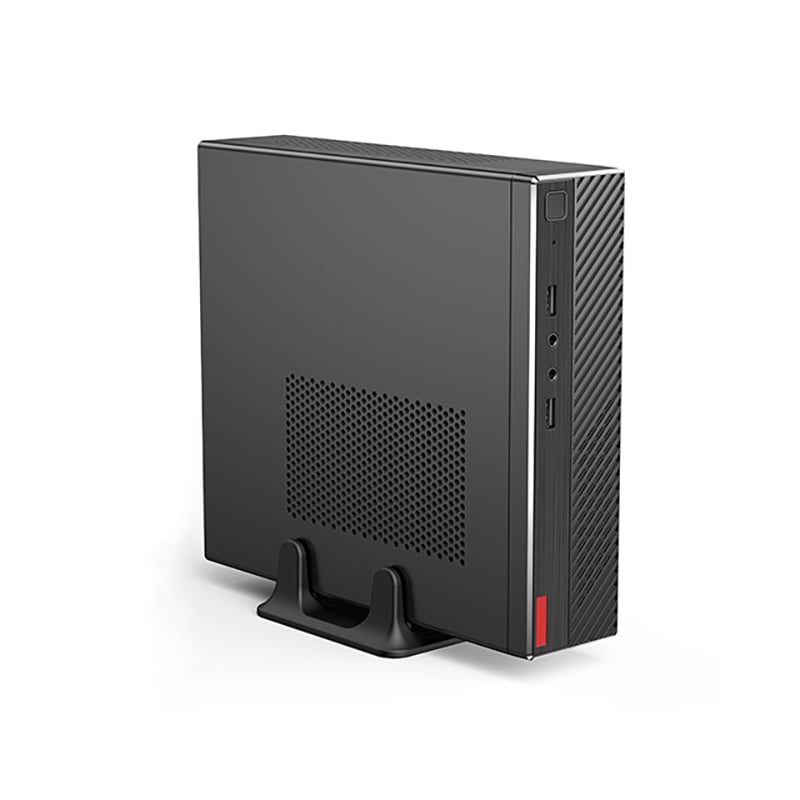
The popularity of barebone mini pc solutions in enterprise environments reflects a strategic shift toward flexibility, cost control, and rapid deployment. Organizations recognize that a barebone mini pc eliminates wasteful pre-loaded software, redundant licensing fees, and unnecessary components that would otherwise inflate procurement costs and complicate system management. When enterprises choose a barebone mini pc platform, they gain direct control over hardware architecture and system configuration, enabling them to optimize every deployment for specific workloads—whether that means edge computing, point-of-sale systems, industrial automation, or secure kiosk deployments.
A barebone mini pc framework empowers enterprises to build systems aligned precisely with their operational workload demands. Rather than purchasing generic systems and removing unwanted components, organizations start with a compact, purpose-built foundation and integrate only the processing power, memory capacity, and storage performance they actually need. For example, a retail enterprise deploying point-of-sale terminals across multiple locations can select processors and RAM configurations that handle transaction processing and inventory synchronization without over-specifying for gaming or video rendering. This level of precision ensures that a barebone mini pc investment translates directly into business value, with no wasted computational resources or licensing overhead.
Enterprise IT teams value the barebone mini pc approach because it dramatically accelerates system rollout timelines. When an organization decides to scale operations—opening new retail locations, expanding warehouse automation, or deploying remote work hubs—standard procurement cycles that demand new desktop purchases become inefficient. A barebone mini pc, by contrast, can be rapidly assembled, imaged with centralized configurations, and deployed in weeks rather than months. The compact form factor of a barebone mini pc also reduces installation complexity in space-constrained environments, from dense server racks to retail checkout counters to industrial floor installations. IT staff can maintain consistent hardware standards across the enterprise while adapting individual barebone mini pc builds to regional network infrastructure, compliance requirements, or performance benchmarks.
One of the most compelling reasons enterprises favor a barebone mini pc is the dramatic reduction in unnecessary spending. Off-the-shelf systems typically bundle pre-installed software, redundant drivers, trial applications, and premium warranty packages that organizations immediately remove or replace. A barebone mini pc eliminates this inefficiency by providing only essential hardware components, allowing procurement teams to license and configure software independently and negotiate volume discounts on standardized platforms. Additionally, the lower power consumption profile of a barebone mini pc—which typically draws 30 to 60 watts compared to 150 to 300 watts for traditional desktops—reduces operational electricity costs across large-scale deployments. Over a five-year enterprise deployment spanning hundreds or thousands of units, this cumulative power efficiency translates into substantial cost recovery, particularly in energy-intensive industries or regions with high utility rates.
Enterprise asset management requires systems that can adapt to evolving business needs without complete replacement cycles. A barebone mini pc architecture supports this flexibility by allowing organizations to upgrade individual components—processors, memory modules, or storage drives—as workload demands increase or technology standards evolve. When a barebone mini pc system reaches end-of-life for its current application, the chassis and core infrastructure can often be repurposed for lower-demand workloads or decommissioned with minimal waste. This modular approach extends the effective lifetime value of a barebone mini pc investment and aligns with enterprise sustainability goals that increasingly influence procurement decisions. Furthermore, standardizing on a barebone mini pc platform simplifies spare parts inventory management and reduces the technical expertise required for maintenance across distributed facilities.
Security-conscious enterprises demand absolute control over system configuration and software deployment, a requirement that a barebone mini pc platform directly enables. When an organization selects a barebone mini pc as their standardized platform, IT security teams can establish unified imaging protocols, firmware configurations, and access controls across every deployment. Unlike consumer systems that ship with manufacturer bloatware and variable configurations, a barebone mini pc starts as a clean slate, allowing security teams to implement exactly the hardening standards, encryption protocols, and authentication mechanisms their governance frameworks require. A barebone mini pc deployed in sensitive environments—financial institutions, healthcare facilities, government agencies—can be configured to meet HIPAA, PCI-DSS, NIST Cybersecurity Framework, or industry-specific compliance mandates without battling pre-installed software conflicts or licensing ambiguities.
Enterprise IT leadership recognizes that a barebone mini pc approach strengthens supply chain resilience by decoupling hardware sourcing from software licensing. Organizations can establish qualified supplier relationships for barebone mini pc components, negotiate volume commitments, and maintain component inventory without dependency on single manufacturers or forced software bundles. This distributed sourcing model proved particularly valuable during recent global supply chain disruptions, as enterprises could source barebone mini pc chassis from one vendor, processors from another, and storage components from third suppliers, maintaining deployment continuity when any single supplier faced shortages. Additionally, a barebone mini pc platform reduces organizational lock-in risk, because system architecture remains standardized and components remain interchangeable across the industry. When technology roadmaps require migration to new processors or form factors, enterprises using a barebone mini pc infrastructure face significantly lower switching costs compared to proprietary all-in-one systems.
A barebone mini pc excels in space-constrained, fixed-location, and standardized-workload environments: retail point-of-sale systems, industrial edge computing, digital signage networks, secure kiosks, branch office servers, and warehouse automation control stations. Any enterprise scenario requiring consistent configurations across multiple deployments, compact physical footprints, and predictable performance profiles represents an ideal use case for a barebone mini pc investment.
A barebone mini pc typically costs 30 to 50 percent less than equivalent off-the-shelf business systems when accounting for unnecessary software removal, licensing corrections, and configuration labor. Over multi-year deployment lifecycles involving hundreds of units, a barebone mini pc cost advantage compounds significantly through reduced power consumption, simplified maintenance, and extended component lifecycle value.
Yes, a barebone mini pc provides superior security control because IT teams configure every software component, firmware setting, and access protocol from scratch without manufacturer bloatware interference. This clean-slate approach to a barebone mini pc enables precise compliance implementation for HIPAA, PCI-DSS, GDPR, and other regulatory frameworks that enterprise operations demand.
 EN
EN
 AR
AR
 BG
BG
 HR
HR
 CS
CS
 DA
DA
 NL
NL
 FR
FR
 DE
DE
 EL
EL
 HI
HI
 IT
IT
 JA
JA
 KO
KO
 NO
NO
 PL
PL
 PT
PT
 RO
RO
 RU
RU
 ES
ES
 SV
SV
 TL
TL
 IW
IW
 ID
ID
 SR
SR
 SK
SK
 VI
VI
 HU
HU
 TH
TH
 TR
TR
 FA
FA
 AF
AF
 MS
MS
 SW
SW
 UR
UR
 BN
BN
 HA
HA
 KM
KM
 MN
MN
 UZ
UZ