 EN
EN
 AR
AR
 BG
BG
 HR
HR
 CS
CS
 DA
DA
 NL
NL
 FR
FR
 DE
DE
 EL
EL
 HI
HI
 IT
IT
 JA
JA
 KO
KO
 NO
NO
 PL
PL
 PT
PT
 RO
RO
 RU
RU
 ES
ES
 SV
SV
 TL
TL
 IW
IW
 ID
ID
 SR
SR
 SK
SK
 VI
VI
 HU
HU
 TH
TH
 TR
TR
 FA
FA
 AF
AF
 MS
MS
 SW
SW
 UR
UR
 BN
BN
 HA
HA
 KM
KM
 MN
MN
 UZ
UZ

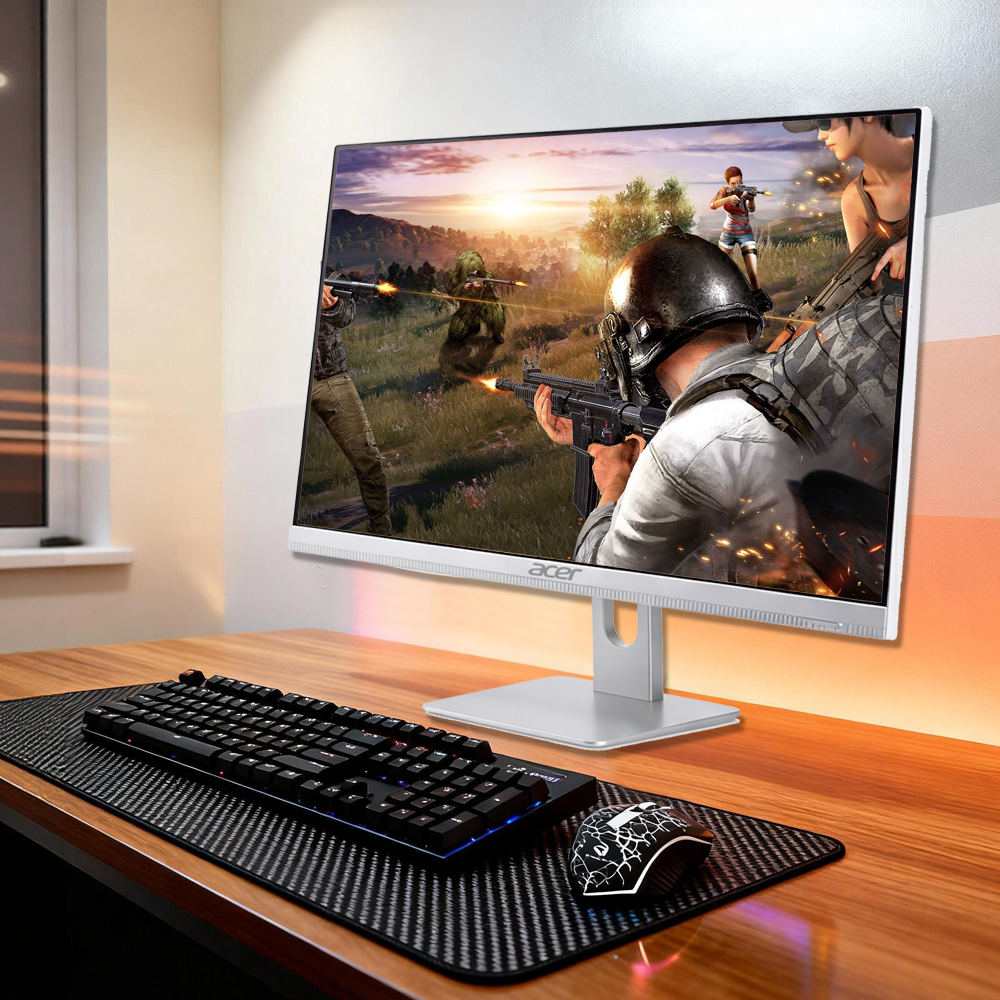
Ofisi za kisasa zinapata mshangao wa mara kwa mara kuhakikisha kuongeza ufanisi wa eneo la kazi wakati huo huo wakiendelea kudumisha viwango vya utendaji wa kitaaluma. An komp'yuta ya mezani ya kikomo-chote imekuja kuwa suluhisho la kubadilisha ambalo linausha changamoto za uendeshaji nyingi kwa wakati mmoja. Mchakato huu ulioundwa kwa pamoja unajumuisha kipengele cha kuonyesha, kituo cha kusambaza na vifaa vya ziada katika kifaa kimoja cha kujumuisha, kubadilisha kikamilifu jinsi ya mashirika kufanya kazi kwenye miundombinu yao ya kompyuta. Kuelewa faida maalum ambazo kompyuta ya desktop iliyounganishwa kwa pamoja inatoa inaweza kusaidia wanaokagua kutekeleza teknolojia ambayo inaathiri moja kwa moja ufanisi, usimamizi wa gharama, na uridhika wa wafanyakazi. komp'yuta ya mezani ya kikomo-chote inatoa inaweza kusaidia wanaokagua kutekeleza teknolojia ambayo inaathiri moja kwa moja ufanisi, usimamizi wa gharama, na uridhika wa wafanyakazi.
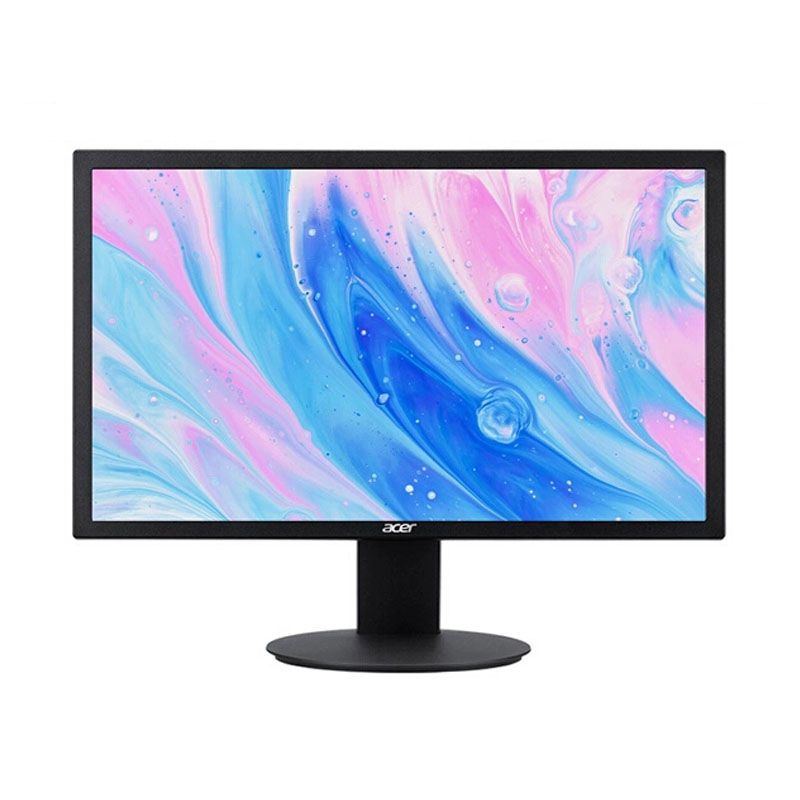
Uhamisho kwenda kwa komp'yuta ya mezani ya kikomo-chote unawakilisha mabadiliko ya strategia ya jinsi ya ofisi zinavyopangalia nafasi ya kimwili na rasilimali za kifedha. Kwa kuunganisha sehemu nyingi katika kitu kimoja cha kuvutia, mashirika hufuta uchafu wa mishale, kupunguza mahitaji ya eneo la meza, na kujenga mazingira ya kazi safi zaidi ambayo inaboresha ubunifu na utendaji. Mguidi huu wa kamili unachunguza faida za kubadilisha kwa komp'yuta ya mezani ya kikomo-chote kwa mazingira ya ofisi ya kisasa, ukionyesha sababu gani teknolojia hii imekuwa ya kuzidi kuvutia katika sekta mbalimbali za biashara.
Ufanisi wa Nafasi na Uboreshaji wa Eneo la Kazi
Kuongeza Ufanisi wa Ardhi ya Ofisi Iliyoogopwa
Nafasi ya ofisi inawakilisha moja ya gharama kubwa zaidi za uendeshaji kwa yoyote mashirika, kama hivyo utumiaji wa ufanisi ni muhimu sana kwa faida. An komp'yuta ya mezani ya kikomo-chote hupunguza kwa kiasi kikubwa eneo la kimwili linalohitajika katika kila kituo cha kazi kuliko mchanganyiko wa kisasa cha kipande cha kuvutia na kimonito. Uundaji uliounganishwa unakataa hitaji la vitu tofauti vya kushughulikia, vitambaa vya kimonito, na mfumo wa kudhibiti mikondo ambayo mara nyingi huchukua eneo kubwa la uso wa meza. Kampuni zinaweza kubadilisha tena vituo vya kazi kuhusu komp'yuta ya mezani ya kikomo-chote mchanganyiko, ikiruhusu mpangilio wa kushirikiana zaidi, uhifadhi zaidi, au uongezezaji wa viti katika eneo hilo la kimwili.
Kuunda Mazingira ya Kazi ya Kisayansi na ya Kusudiwa
Uvurugu wa maonyo unahusiana moja kwa moja na umakini wa wafanyakazi na ubora wa mahali pa kazi, kama hivyo ushirikiano wa vifaa ni shida halisi ya uendeshaji. Uundaji wa komp'yuta ya mezani ya kikomo-chote unakataa mikondo iliyovunjika na vikapu vingi vilivyotokana na mchanganyiko ya kawaida, kuboresha kwa haraka ubora wa eneo la kazi. Uboreshaji huu wa muundo una faida kubwa haswa katika ofisi za wateja, vyumba vya mkutano, na eneo la kushirikiana ambapo miongozo ya kwanza ni muhimu. Uchafu wa chini wa uundaji wa komp'yuta ya mezani ya kikomo-chote pia inafasilitia ufifio wa kufuta mafuta ya meza, kubadilisha nafasi ya mishale, na kuboresha teknolojia bila kuhitaji kubadilisha tena kwa kina kama ilivyo katika mifumo ya vitu vingi vilivyotengwa.
Kuboresho la Ufanisi wa Kazi na Uunganisho wa Utendaji
Uunganisho wa Hali ya Kibinafsi na Programu kwa Urahisi
Ki komp'yuta ya mezani ya kikomo-chote hutoa faida za ndani katika uboreshaji wa mfumo kwa sababu vitu vyote vimeundwa kwa lengo la kushirikiana. Wakuzi wameunda nguvu ya kushughulikia, mfumo wa kuchukua joto, na uwezo wa kuvumbua kama kitu kimoja, kubadilisha matatizo ya usawirishwaji yanayotokana na mifumo ya vitu vingine vilivyotengwa. Uunganisho huu uliobadilishwa unahakikisha kwamba komp'yuta ya mezani ya kikomo-chote hutoa utendaji wa mara moja bila kupungua utendaji ambao mara nyingi hujokea pale vitu vya watazamaji tofauti vinavyotumika pamoja. Wafanyakazi hujisikia kuvuma kwa haraka zaidi ya programu, kufanya kazi mbalimbali kwa urahisi zaidi, na ustawi wa mfumo unaopatikana kwa uaminifu zaidi wakati wote wa siku ya kazi.
Urahisi wa Usimamizi wa Teknolojia na Msaada
Idara ya IT inafaida kubwa kutoka kusimamia komp'yuta ya mezani ya kikomo-chote mazingi kwa sababu ya uunganishaji wa teknolojia unapungua kwa kiasi kikubwa. Badala ya kutafuta na kusuluhisha matatizo kati ya kifaa cha kuonyesha, kifaa cha kuvutia, na vifaa vya ziada vilivyopangwa kwa kujitenga, timu za IT zinashughulikia matatizo ndani ya mfumo mmoja wa utengenezaji. Uboreshaji wa programu, mabaki ya usalama, na uchunguzi wa vifaa vya harware huwa rahisi zaidi wakati wa kufanya uwekaji wa komp'yuta ya mezani ya kikomo-chote kote katika shirika. Urahisi huu hupunguza gharama za msaada wa teknolojia, kuharakisha usuluhisho wa matatizo, na kupendekeza rasilimali za IT kushughulikia miradi muhimu badala ya kufanya usuluhisho wa matatizo ya kawaida.
Uwezekano wa Biashara na Thamani ya Muda Mrefu
Kupunguza Gharama ya Awali ya Mabadiliko
Mashirika yanayoshughulikia budjeti ya teknolojia hupendelea faida za fedha za kufanya uwekaji wa komp'yuta ya mezani ya kikomo-chote strategia. Ununua kifaa chenye uunganisho mmoja huwa na gharama ndogo kuliko kununua kifaa cha kuonyesha, kifaa cha kuvutia, na vifaa vya ziada kwa kujitenga na uwezo sawa. Kifaa komp'yuta ya mezani ya kikomo-chote hutengeneza kufuta vipengele vya ziada na gharama za uzalishaji zilizojumuishwa katika mfumo ya kawaida, ikutoa uwezo bora kwa bei ya awali ya chini. Kampuni zinaweza kupakia wafanyakazi zaidi teknolojia yenye uwezo wakifanya mafunzo katika komp'yuta ya mezani ya kikomo-chote , ikuboresha ufanisi wa jumla wa shirika kote kwa timu kubwa zaidi.
Kupunguza Gharama za Uendeshaji na Usafi
Pembele ya gharama za ununuzi wa awali, komp'yuta ya mezani ya kikomo-chote hutoa uvukuzi wa gharama kwa muda mrefu kupitia kupungua mahitaji ya usafi na ufanisi wa uendeshaji. Vipengele vichache vinamaanisha vituo vya kushindwa vya chini, ikasababisha upungufu wa malalamiko ya dhamana na gharama za urepair. Matumizi ya nguvu huwa chini wakati wa kutumia komp'yuta ya mezani ya kikomo-chote kwa sababu muundo uliojumuishwa unaboresha usambazaji wa nishati kwenye kazi zote. Mchakato rahisi wa kuweka hutupunguza masaa ya kazi ya IT inayohitajika kufanya mpangilio wa kazi mpya, na muundo unaopungua unapunguza mahitaji ya miundombinu kama vile ubunifu wa umeme, usimamizi wa mitambo, na mfumo wa kuruhusu hewa.
Uzoefu wa Mtumiaji na Ubora wa Mahali pa Kazi
Kuboresha Ukweli wa Kufurahia Kazi na Maoni ya Urahisi wa Kibinafsi
Wafanyakazi hufaida moja kwa moja kutokana na uzoefu bora wa mtumiaji ambao komp'yuta ya mezani ya kikomo-chote hutoa katika mazingira ya kazi ya kila siku. Uzuri wa wazi na wa kisasa wa komp'yuta ya mezani ya kikomo-chote hutengeneza eneo la kazi linaloonekana zaidi kama la kitaaluma na la kisasa kuliko mpangilio wa vitu vingi vilivyopitwa na wakati. Kupungua kwa uvumbuzi wa mikondo unapunguza hatari za usalama na uwezekano wa kupiga mikono, ikisaidia mashirika ya afya ya mahali pa kazi. komp'yuta ya mezani ya kikomo-chote mpangilio unaruhusu wafanyakazi kusimamisha kifaa cha kuonyesha na kifaa cha kuingiza kwa usahihi kama inahitajika kwa ajili ya urahisi bora, kubadilisha mzigo na kusaidia afya ya urahisi ya muda mrefu wakati wa kazi yao.
Kusaidia Mpangilio wa Kazi Uliofanana na Uliotegemea Mvumo
Mazingira ya ofisi ya kisasa yanavyozidisha kusaidia mpangilio wa kazi unaofanana, na komp'yuta ya mezani ya kikomo-chote hujisaidia mahitaji haya yanayobadilika kwa ufanani. Wakati wafanyakazi hushindwa kati ya ofisi na mahali pengine ya kazi, komp'yuta ya mezani ya kikomo-chote hutahitaji mpangilio mdogo wa kuanzisha na usimamizi wa mikondo. Faida za uwezekano wa kuchukua kwa njia ya kucheza ya komp'yuta ya mezani ya kikomo-chote shirika ya kawaida yanaweza kubadilisha vituo vya kazi kwa haraka kwenda kwenye mahali pengine au kwa wafanyakazi bila hitaji la msaada wa teknolojia kubwa. Uwezo huu wa kubadilika unafanya komp'yuta ya mezani ya kikomo-chote umepatikana kwa kina kwa shirika ambayo yanaendesha mfumo wa kazi ya mchanganyiko au yanausaidia mpangilio wa kazi ya ofisi unaopindua kwa muda fulani.
Maswali Yanayoulizwa Mara kwa Mara
Kazi gani za ofisi zinatumia zaidi kompyuta ya kawaida ya kipekee?
Ki komp'yuta ya mezani ya kikomo-chote inatumika vizuri sana kwa kazi za kawaida za ofisi ikiwemo utengenezaji wa hati, usimamizi wa barua pepe, mkutano wa kuvunjika kwa video, na uchambuzi wa data. Idara za huduma kwa wateja, timu za usimamizi, shughuli za hisabati, na majukumu ya usimamizi wa miradi yote yanapata faida kubwa kutoka kwa komp'yuta ya mezani ya kikomo-chote mpangilio. Viwanda vilivyofuata sheria kali za eneo la kazi, kama vile afya na huduma za kifedha, vinapenda sana jinsi komp'yuta ya mezani ya kikomo-chote hupunguza uchafu na kuboresha utii wa viwango vya usafi na usalama.
Kompyuta ya kawaida ya kipekee inalinganishwa na mpangilio wa kawaida wa kompyuta ya kisanduku na kipengele cha kuvumbua kwa kiasi gani cha utendaji?
Kisasa komp'yuta ya mezani ya kikomo-chote mifumo inayotolewa inafanya kazi sawa na mifumo ya kawaida kwa matumizi ya ofisi ya kawaida. Ila komp'yuta ya mezani ya kikomo-chote ina vipengele vya kujumuisha vya kusonga, RAM ya kutosha, na ekran za kujibu vyema ambavyo hufanya kazi nyingi kwa ufanisi. Mashirika yanayohitaji nguvu ya kusonga kubwa sana kwa kuhariri video au kuchora 3D yanaweza kutahitaji mifumo ya kipekee, lakini shughuli za biashara za kawaida kama vile kuchambua spreadsheet na kushirikiana katika hati zinafanya kazi vyema kwenye komp'yuta ya mezani ya kikomo-chote .
Je, kompyuta ya desktop ya aina ya all-in-one inaweza kusaidia vyema zana za kushirikiana za ofisi ya kisasa?
Ndiyo, komp'yuta ya mezani ya kikomo-chote inafanya kazi kwa ufanisi kwenye miongozo ya kushirikiana ya kisasa, ikiwemo mkutano wa kuvunjika kwa video, programu za wingu, na kuhariri hati pamoja. Vipengele vya kuingizwa vya mikrofoni, kamera, na loudspeaker vya mara nyingi vya komp'yuta ya mezani ya kikomo-chote vinasaidia kuanzisha kushirikiana bila kutumia vifaa vya nje. Ila komp'yuta ya mezani ya kikomo-chote kwa nguvu ya kufanya kazi inayokutosha, inasimamia programu nyingi za wakati mmoja, tabu za kivinjari, na vikwazo vya mawasiliano bila kupungua kwa uchunguzi wa utendaji, ikisaidia mahitaji ya kufanya kazi mbalimbali ya kazi ya ofisi ya leo.
Orodha ya Maudhui
- Ufanisi wa Nafasi na Uboreshaji wa Eneo la Kazi
- Kuboresho la Ufanisi wa Kazi na Uunganisho wa Utendaji
- Uwezekano wa Biashara na Thamani ya Muda Mrefu
- Uzoefu wa Mtumiaji na Ubora wa Mahali pa Kazi
-
Maswali Yanayoulizwa Mara kwa Mara
- Kazi gani za ofisi zinatumia zaidi kompyuta ya kawaida ya kipekee?
- Kompyuta ya kawaida ya kipekee inalinganishwa na mpangilio wa kawaida wa kompyuta ya kisanduku na kipengele cha kuvumbua kwa kiasi gani cha utendaji?
- Je, kompyuta ya desktop ya aina ya all-in-one inaweza kusaidia vyema zana za kushirikiana za ofisi ya kisasa?