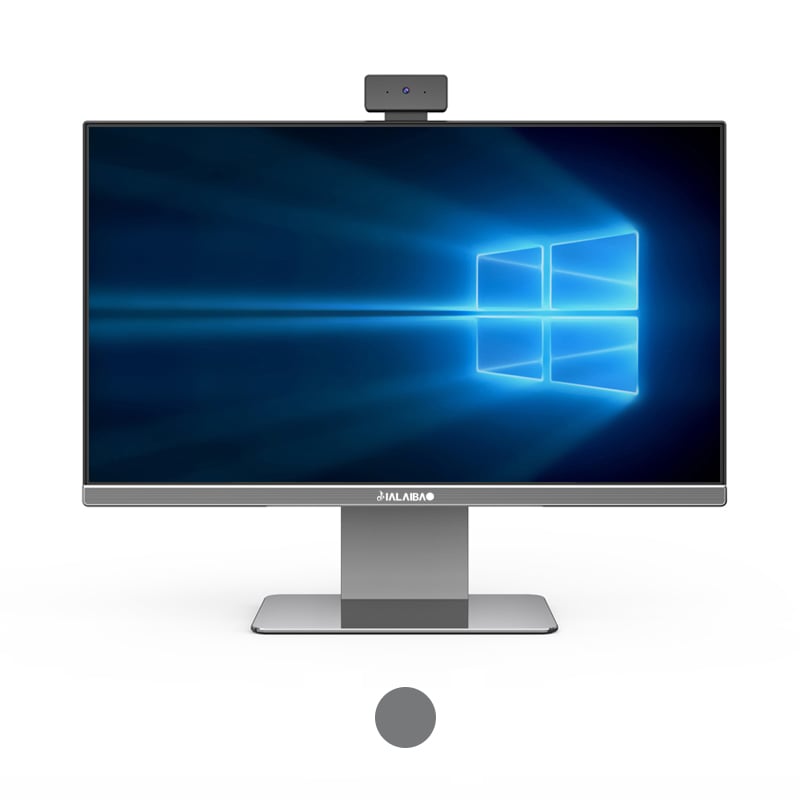
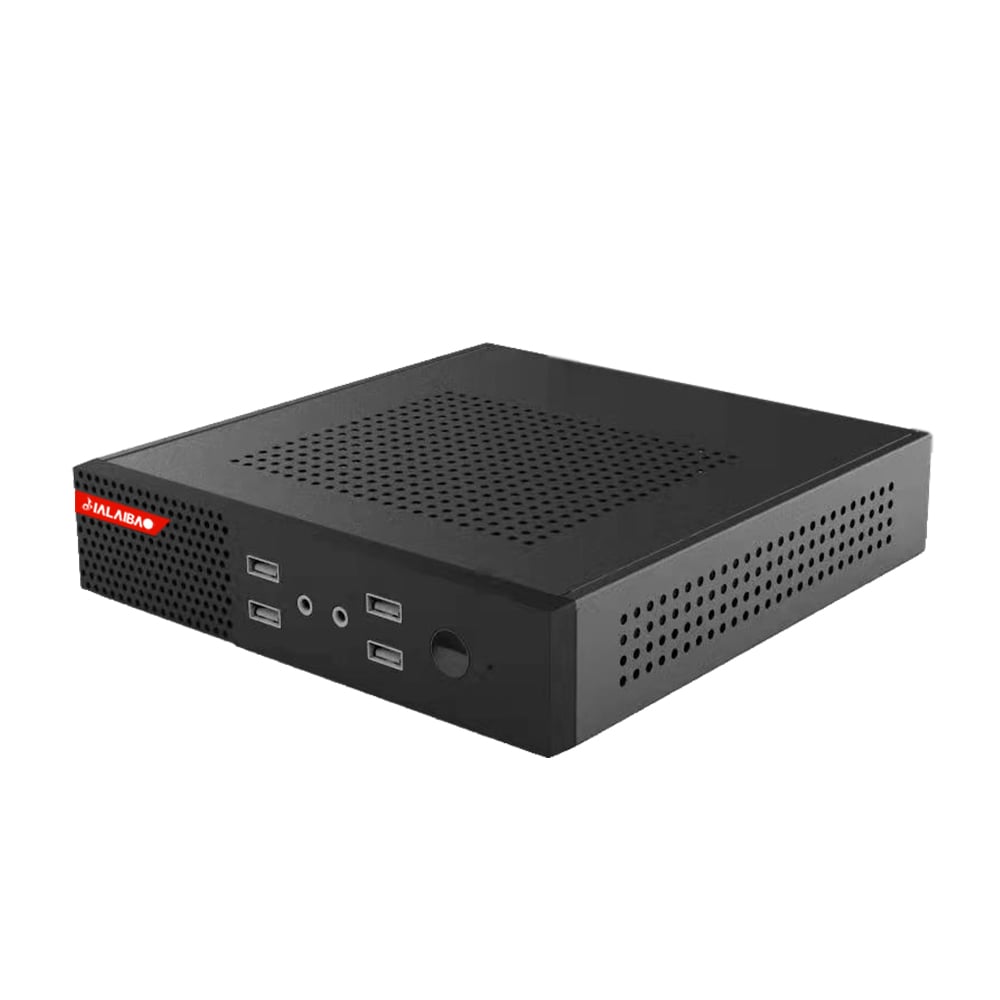
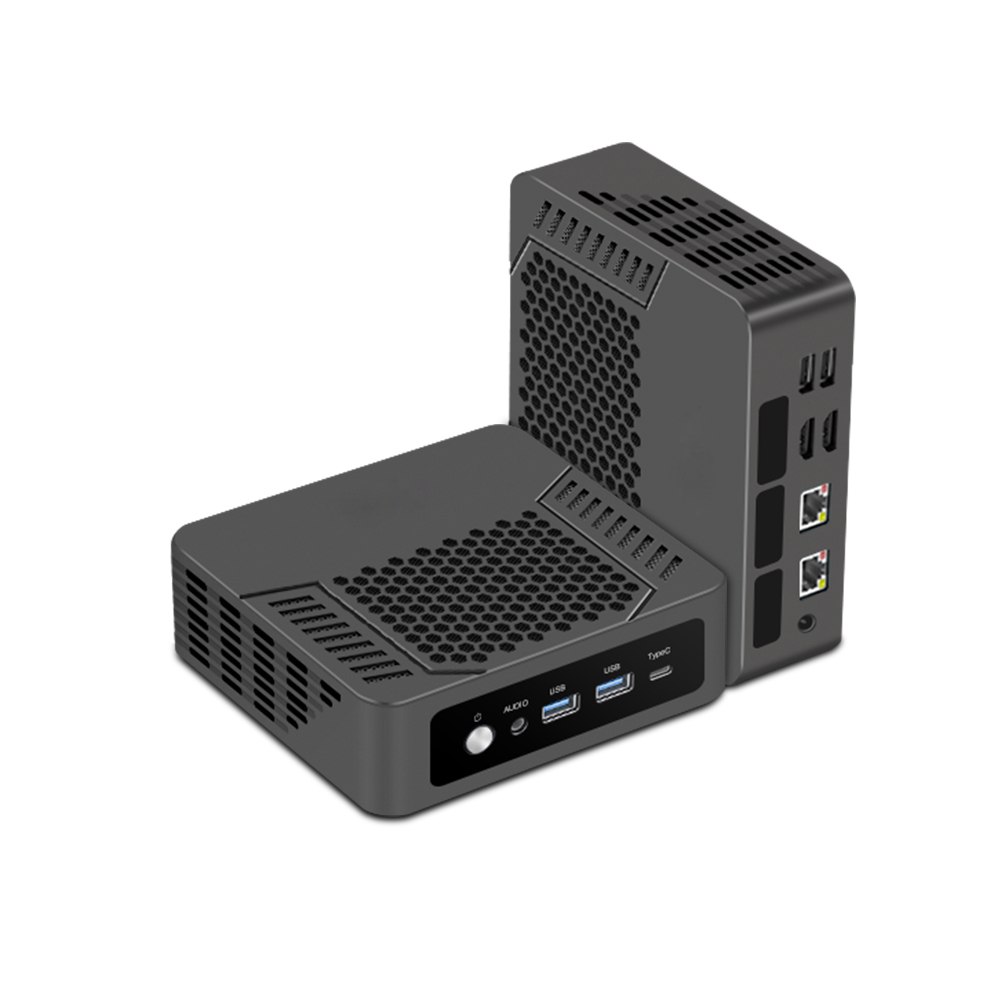
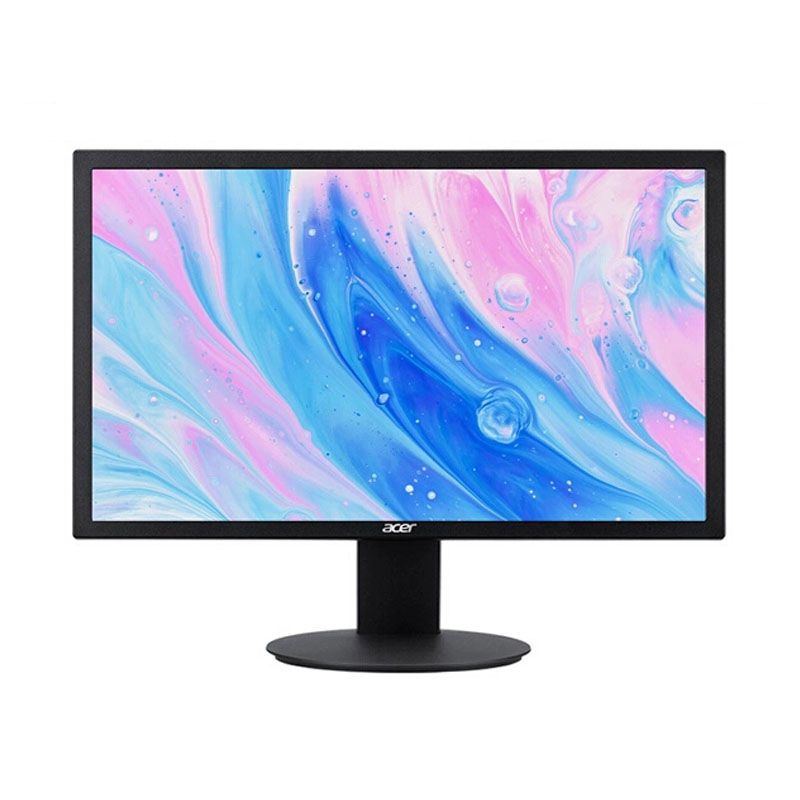
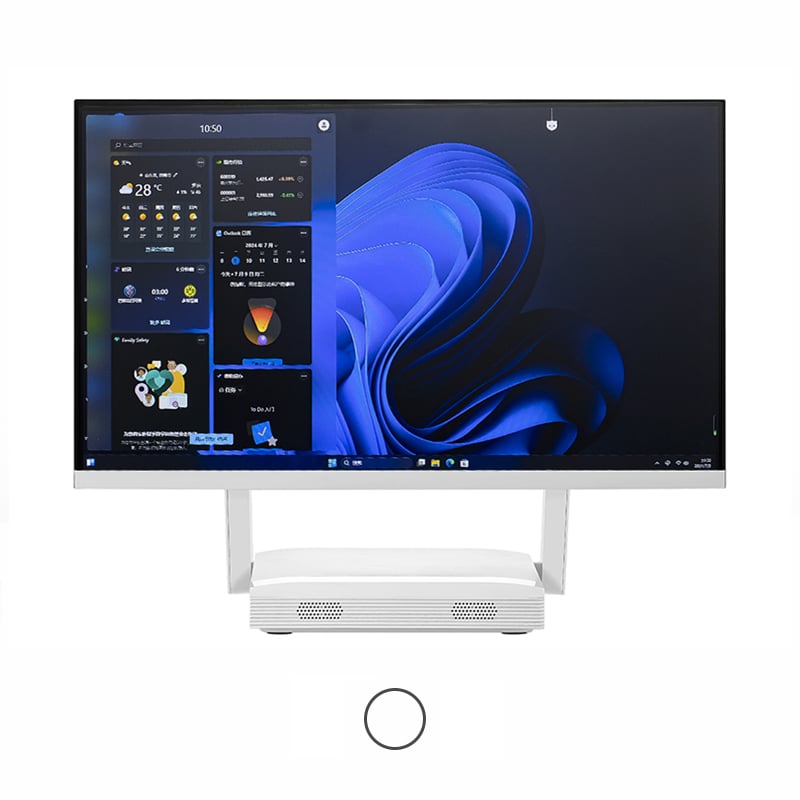
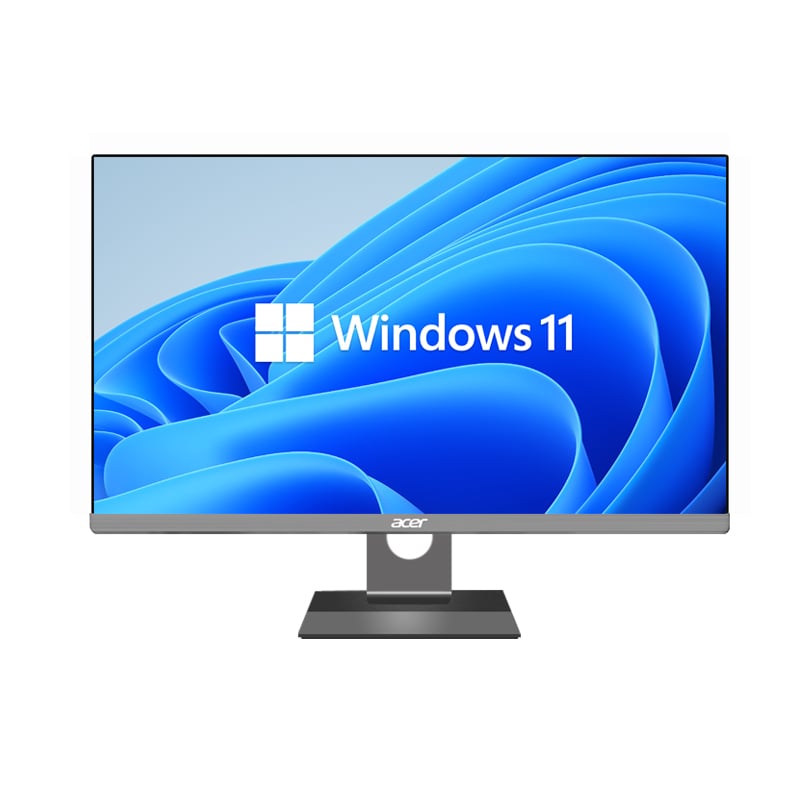
Government departments face increasing pressure to optimize their IT infrastructure while maintaining operational efficiency and controlling budgets. Traditional desktop setups with separate towers, monitors, and peripherals often result in higher maintenance costs, increased energy consumption, and complex procurement processes. Modern All-in-One PC solutions present a compelling alternative that can significantly reduce total cost of ownership while delivering enhanced performance and streamlined operations for public sector organizations.
The procurement process for government IT equipment involves multiple stakeholders and extensive evaluation criteria. All-in-One PC systems typically require lower initial capital investment compared to traditional desktop configurations when considering the complete package of monitor, processing unit, and integrated peripherals. Government purchasing departments can streamline vendor negotiations by dealing with fewer components and simplified specifications.
Budget allocation becomes more predictable when departments can standardize on All-in-One PC platforms across multiple offices and locations. The consolidated hardware approach reduces complexity in procurement documentation and enables bulk purchasing agreements that deliver additional cost savings. Government buyers can leverage economies of scale more effectively when dealing with unified hardware solutions rather than managing separate component suppliers.
Operational costs extend far beyond initial hardware purchases and encompass energy consumption, maintenance requirements, and replacement cycles. All-in-One PC designs typically incorporate energy-efficient components and power management features that align with government sustainability initiatives. These systems often meet or exceed ENERGY STAR certification requirements, contributing to reduced electricity costs and environmental compliance objectives.
Space utilization represents another significant operational advantage for government facilities. Traditional desktop setups require dedicated areas for CPU towers, separate monitors, and cable management infrastructure. All-in-One PC installations maximize available workspace while reducing the physical footprint required for each workstation, potentially allowing departments to accommodate more employees in existing facilities.

Government IT departments often operate with limited technical support staff and constrained budgets for external service contracts. All-in-One PC systems consolidate multiple hardware components into a single unit, reducing the number of potential failure points and simplifying diagnostic procedures. Technical support teams can focus their expertise on fewer device types, improving response times and resolution efficiency.
Remote support capabilities become more effective when dealing with standardized All-in-One PC deployments. Government IT teams can implement consistent troubleshooting procedures and remote management tools across their entire fleet. This standardization reduces training requirements for support staff and enables more efficient problem resolution processes that minimize downtime costs.
Consolidated warranty coverage for All-in-One PC systems simplifies contract management and potentially reduces overall service costs. Government procurement teams can negotiate comprehensive service agreements that cover all integrated components under a single contract rather than managing separate warranties for monitors, processors, and peripheral devices. This approach reduces administrative overhead and provides clearer accountability for service providers.
Extended warranty options often become more cost-effective for All-in-One PC purchases due to the integrated nature of components and simplified service procedures. Government departments can better predict long-term support costs and budget accordingly, while service providers can offer more competitive rates for streamlined support processes.
Government facilities increasingly prioritize energy efficiency as both a cost-saving measure and environmental responsibility. All-in-One PC systems typically consume 30-50% less power than equivalent traditional desktop configurations due to optimized component integration and advanced power management features. This reduction translates directly to lower electricity costs and reduced demand on building electrical infrastructure.
Peak power demand management becomes more achievable with All-in-One PC deployments, particularly important for government buildings operating under utility demand charges. The lower power draw of these systems reduces strain on air conditioning systems, creating additional energy savings through reduced cooling requirements. Government facilities can potentially defer costly electrical infrastructure upgrades by deploying more efficient computing solutions.
Sustainable procurement practices require government departments to consider the complete environmental lifecycle of IT equipment purchases. All-in-One PC systems typically generate less electronic waste at end-of-life due to integrated component design and potentially longer useful lifecycles. Government recycling and disposal programs benefit from simplified procedures when dealing with fewer device categories.
Manufacturing efficiency improvements in All-in-One PC production often result in reduced packaging materials and transportation costs compared to multi-component desktop systems. Government sustainability reporting can more easily track and document environmental benefits when procurement focuses on consolidated hardware solutions that support green initiative objectives.
Government environments require robust physical security measures for IT equipment, particularly in public-facing offices and secure facilities. All-in-One PC designs eliminate separate CPU towers that can be easily accessed or removed, reducing potential security vulnerabilities. The integrated design allows for more effective physical security controls and monitoring procedures.
Cable management simplification inherent in All-in-One PC installations reduces opportunities for unauthorized physical access to network connections or peripheral ports. Government security protocols can be more effectively implemented when dealing with streamlined hardware configurations that present fewer potential compromise points.
Standardized All-in-One PC deployments enable more consistent software management and compliance monitoring across government departments. IT administrators can implement uniform security policies, software updates, and configuration standards more efficiently when dealing with homogeneous hardware platforms. This consistency supports regulatory compliance requirements and audit procedures.
Asset management becomes more straightforward with All-in-One PC systems due to simplified inventory tracking and maintenance scheduling. Government departments can maintain better control over software licensing, security patch deployment, and hardware refresh cycles when working with standardized platforms that support centralized management tools.
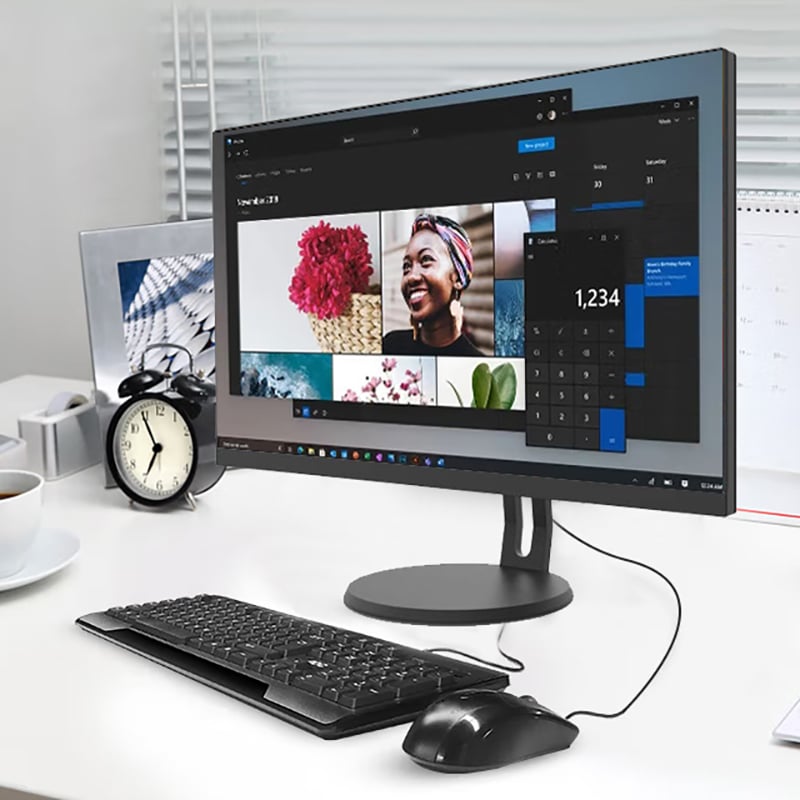
Government employees increasingly require flexible and efficient workspace solutions that support diverse work requirements. All-in-One PC installations provide cleaner, more organized work environments that can improve employee satisfaction and productivity. The reduced cable clutter and simplified setup process enables faster deployment and reconfiguration of workspaces as departmental needs change.
Modern All-in-One PC designs often incorporate advanced display technologies and ergonomic considerations that can reduce employee fatigue and support longer productive work sessions. Government departments investing in employee wellness initiatives can realize measurable benefits through improved hardware that supports better working conditions.
Government IT projects often face tight timelines and resource constraints that make efficient deployment critical to project success. All-in-One PC systems typically require less installation time and fewer technical resources compared to traditional desktop setups. This efficiency advantage enables government departments to complete office relocations, expansions, or technology refresh projects more quickly and with lower labor costs.
Staff training requirements decrease when transitioning to All-in-One PC platforms due to familiar user interfaces and simplified hardware interactions. Government training budgets can be allocated more effectively when new hardware deployments require minimal user education and support resources.
Government departments typically realize cost savings through reduced initial procurement complexity, lower energy consumption, simplified maintenance requirements, and streamlined support contracts. The consolidated hardware approach reduces administrative overhead while providing predictable long-term operational costs that support budget planning and fiscal responsibility requirements.
All-in-One PC platforms enhance security through reduced physical access points, simplified cable management, and standardized configuration management. The integrated design supports more effective physical security controls while enabling consistent software deployment and compliance monitoring across government facilities and departments.
These systems typically consume 30-50% less energy than traditional desktop configurations, generate less electronic waste, and require fewer packaging materials. Government sustainability programs benefit from reduced power consumption, lower cooling requirements, and simplified end-of-life recycling procedures that support environmental compliance objectives.
Consolidated hardware design reduces the number of potential failure points and simplifies diagnostic procedures for government IT teams. Standardized deployments enable more effective remote support, consistent troubleshooting procedures, and streamlined warranty management that reduces overall support costs and improves response times.
 EN
EN
 AR
AR
 BG
BG
 HR
HR
 CS
CS
 DA
DA
 NL
NL
 FR
FR
 DE
DE
 EL
EL
 HI
HI
 IT
IT
 JA
JA
 KO
KO
 NO
NO
 PL
PL
 PT
PT
 RO
RO
 RU
RU
 ES
ES
 SV
SV
 TL
TL
 IW
IW
 ID
ID
 SR
SR
 SK
SK
 VI
VI
 HU
HU
 TH
TH
 TR
TR
 FA
FA
 AF
AF
 MS
MS
 SW
SW
 UR
UR
 BN
BN
 HA
HA
 KM
KM
 MN
MN
 UZ
UZ