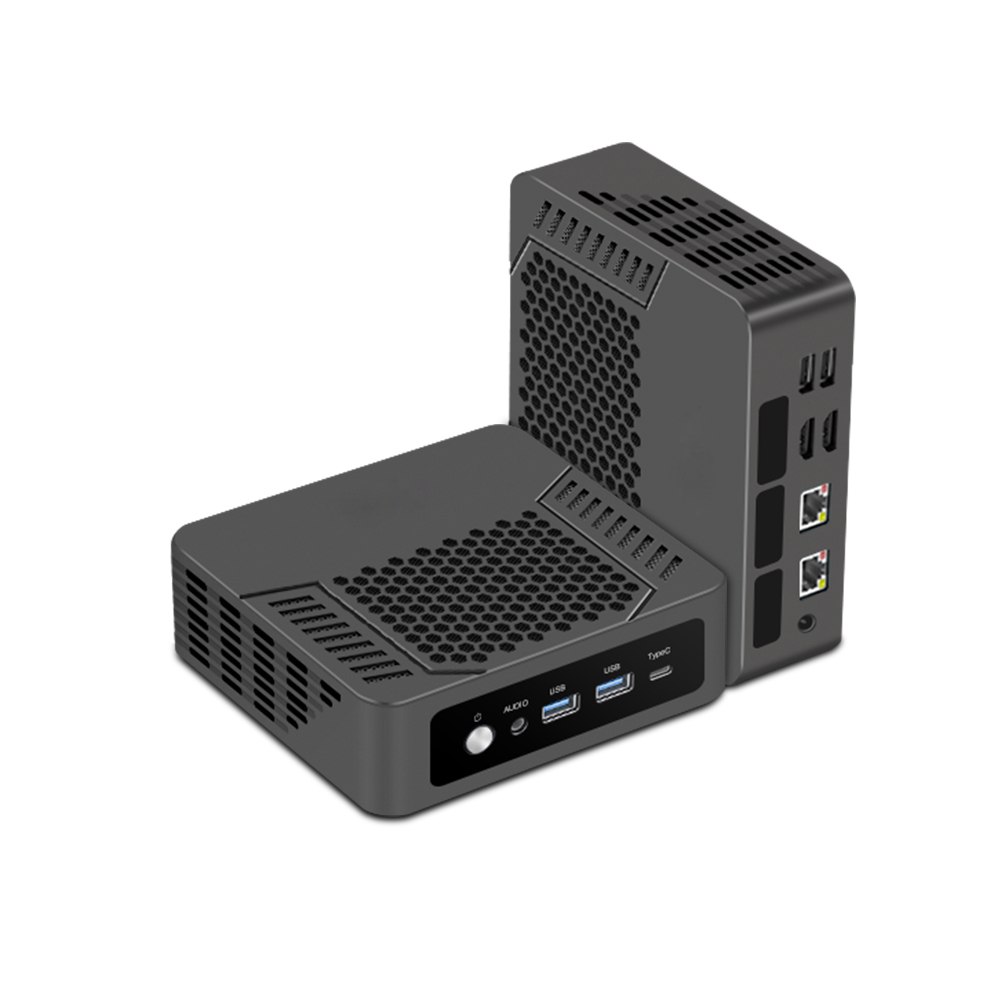
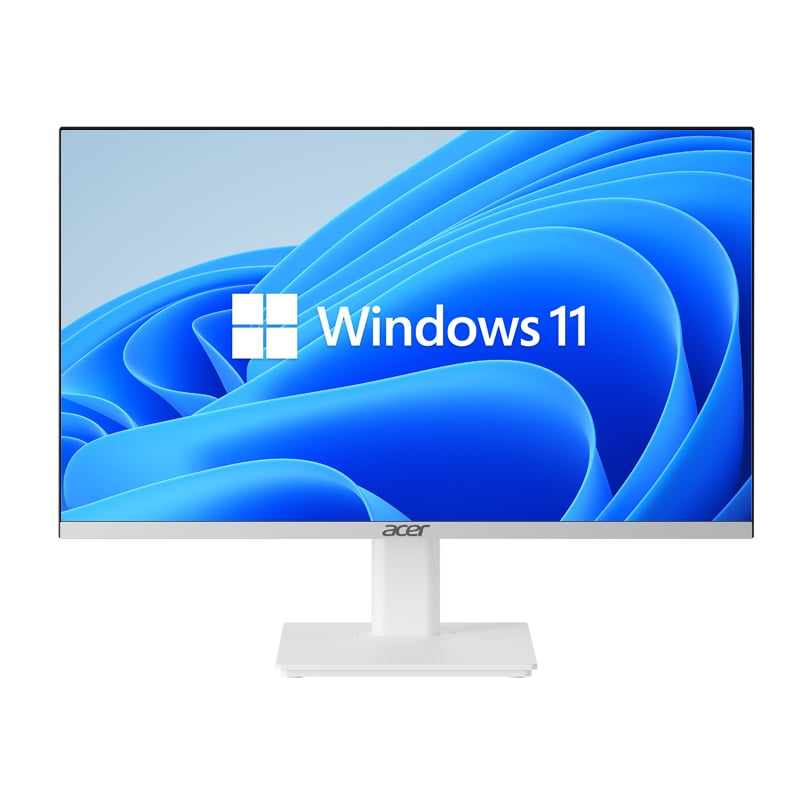
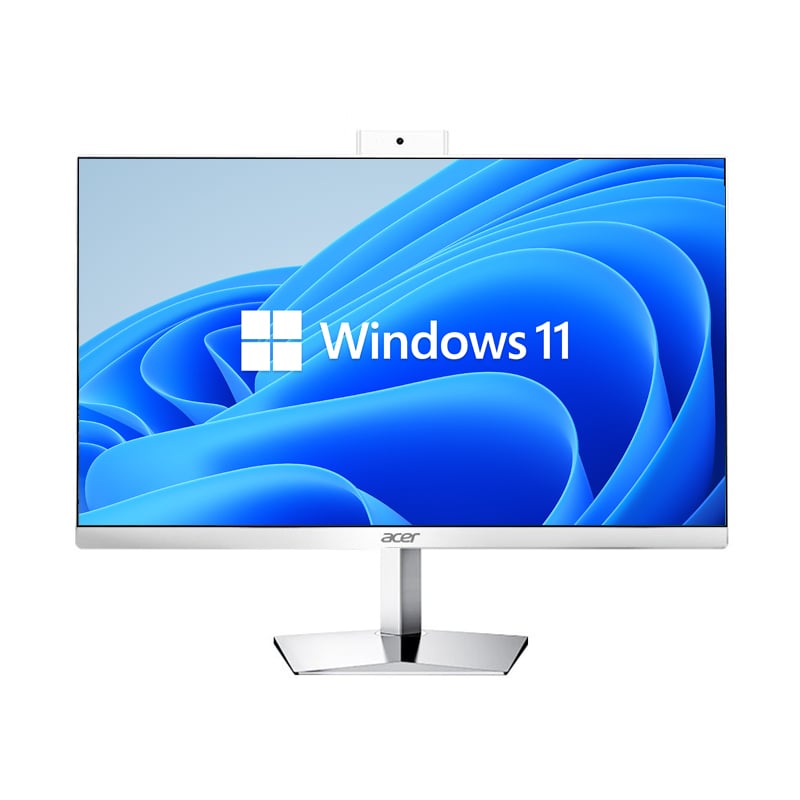
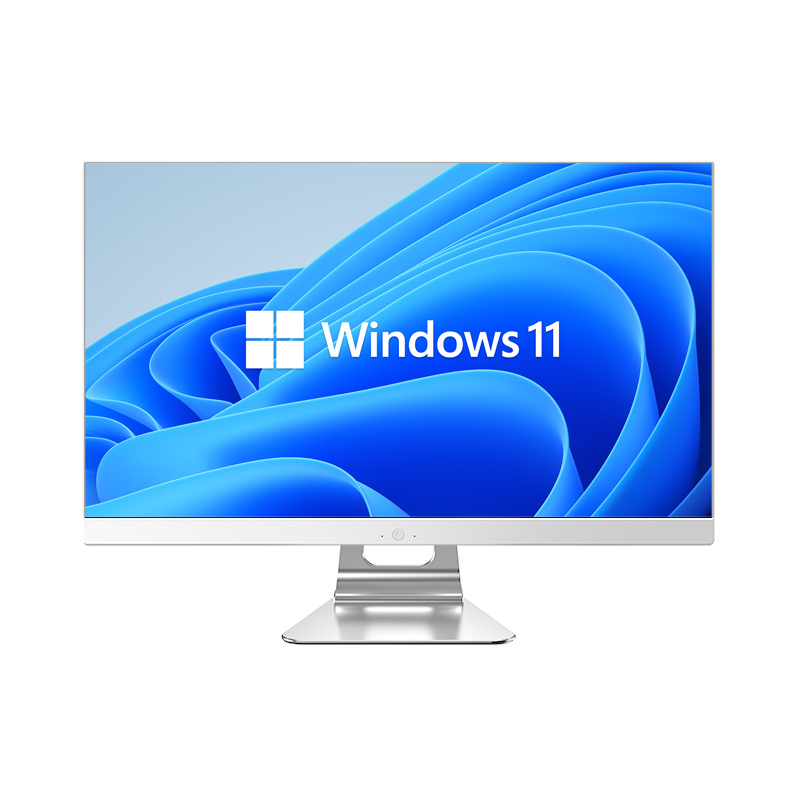
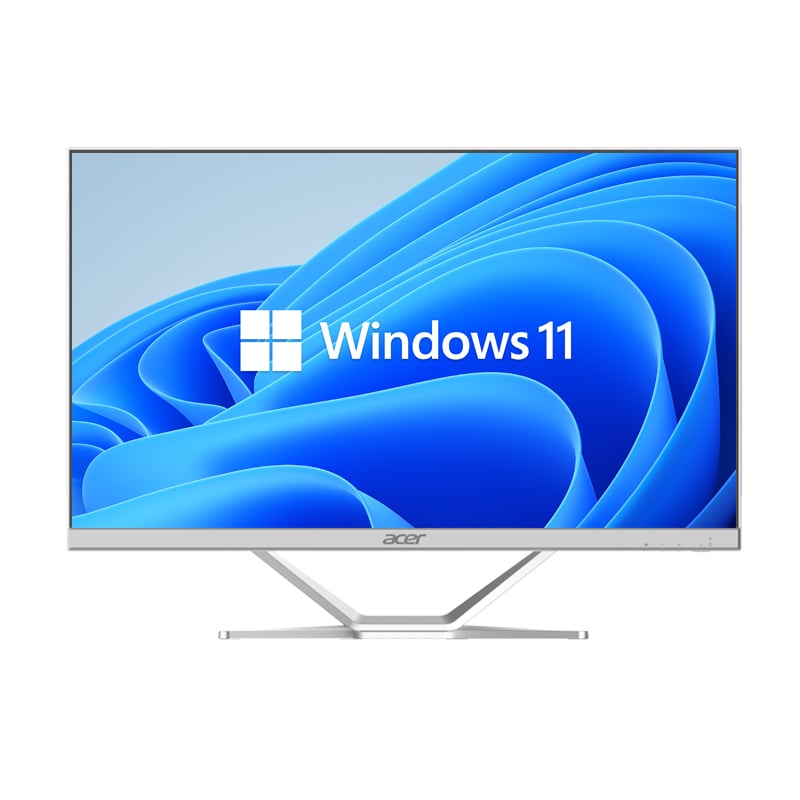
Enterprise IT deployments demand computing solutions that can handle rigorous business operations while maintaining reliability, security, and cost-effectiveness over extended periods. A business desktop has emerged as the preferred choice for organizations seeking to establish robust IT infrastructure that supports their operational requirements. Understanding the specific advantages that make business desktop systems superior for enterprise environments reveals why technology decision-makers consistently choose these solutions over consumer alternatives.
The fundamental reasons why enterprises favor business desktop solutions stem from their superior design philosophy, enhanced security features, and comprehensive support structures that align with corporate operational demands. These systems are specifically engineered to meet the unique challenges of business environments, where downtime costs money, security breaches can devastate operations, and scalability requirements often exceed what consumer-grade equipment can provide. The preference for business desktop solutions reflects a strategic approach to IT infrastructure that prioritizes long-term value and operational excellence.
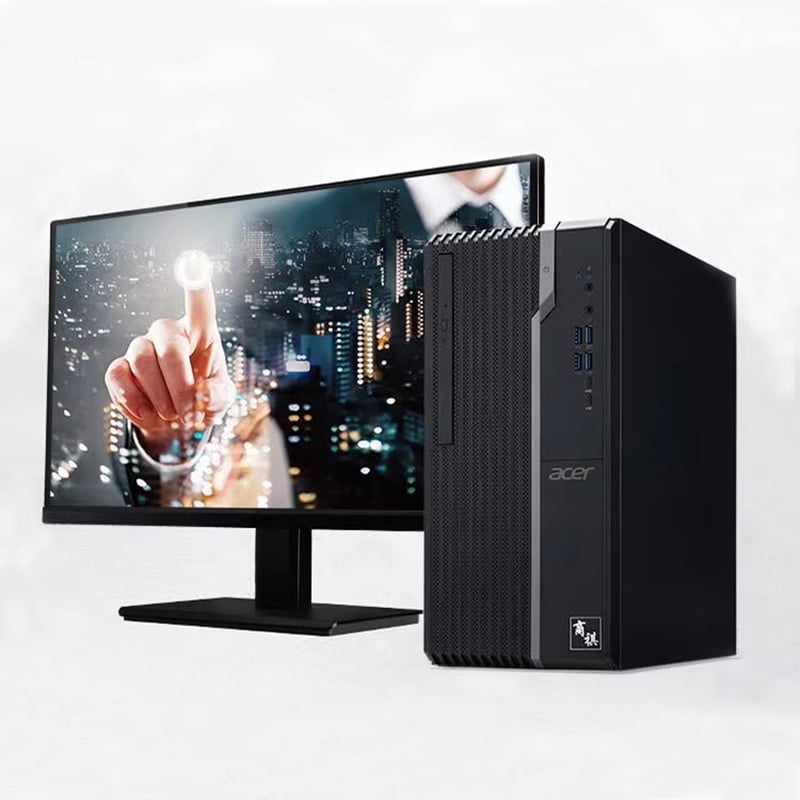
A business desktop incorporates sophisticated security measures at the hardware level that consumer systems typically lack. These include Trusted Platform Module chips that provide hardware-based encryption capabilities, secure boot processes that prevent unauthorized system modifications, and advanced BIOS protection that guards against firmware-level attacks. Enterprise-grade systems often feature self-encrypting drives that automatically protect data without performance degradation, ensuring that sensitive corporate information remains secure even if hardware is compromised or stolen.
The security architecture of business desktop systems extends to physical access controls, including chassis intrusion detection, smart card readers, and biometric authentication options. These features create multiple layers of protection that are essential for organizations handling confidential data or operating in regulated industries. The integrated approach to security in business desktop systems eliminates the need for multiple third-party security solutions, reducing complexity while enhancing overall protection levels.
Enterprise environments require seamless integration with existing network infrastructure, and a business desktop delivers superior compatibility with corporate authentication systems, domain controllers, and network management tools. These systems support advanced networking protocols and security standards that enable centralized management of user access, application deployment, and system monitoring. The ability to integrate smoothly with enterprise identity management systems reduces administrative overhead while maintaining strict access controls.
Business desktop solutions provide enhanced support for virtual private networks, network access control systems, and enterprise wireless standards that are critical for modern corporate operations. This integration capability ensures that IT administrators can maintain consistent security policies across all endpoints while providing users with seamless access to corporate resources regardless of their location or network connection method.
The component selection process for business desktop systems prioritizes reliability and longevity over cutting-edge performance features. Manufacturers use enterprise-grade memory modules, solid-state drives with higher write endurance ratings, and power supplies designed for continuous operation under demanding conditions. These components undergo extensive testing procedures that simulate years of business use, ensuring that systems maintain consistent performance throughout their operational lifespan.
Professional-grade cooling systems in business desktop configurations prevent thermal throttling and extend component life by maintaining optimal operating temperatures even under sustained workloads. The use of quality capacitors, reinforced connectors, and ruggedized internal components reduces the likelihood of hardware failures that can disrupt business operations. This focus on reliability translates to lower total cost of ownership through reduced maintenance requirements and extended replacement cycles.
A business desktop is specifically optimized for the types of workloads commonly encountered in corporate environments, including database operations, enterprise software applications, and multi-user terminal services. Performance tuning focuses on consistent response times and stable operation rather than peak performance bursts, ensuring that business applications remain responsive throughout the workday. This approach to performance optimization aligns with enterprise requirements for predictable system behavior.
The performance characteristics of business desktop systems are designed to support simultaneous operation of multiple business applications without significant performance degradation. Memory management, processor scheduling, and storage I/O optimization all contribute to maintaining productivity levels even when systems are operating at high utilization rates. This consistency is crucial for businesses where performance variations can impact employee productivity and customer service quality.
Enterprise IT departments require sophisticated tools for managing large numbers of computers across distributed locations, and business desktop systems provide comprehensive management capabilities that consumer systems cannot match. These include remote management interfaces that allow administrators to monitor system health, deploy software updates, and troubleshoot problems without physical access to individual machines. The integration of Intel vPro or AMD DASH technologies enables out-of-band management that functions even when the operating system is not responding.
A business desktop typically includes support for enterprise deployment tools such as Windows Deployment Services, System Center Configuration Manager, and third-party imaging solutions that streamline the process of configuring and maintaining large numbers of systems. Asset management features help IT departments track hardware inventory, monitor software licensing compliance, and plan for technology refresh cycles. These management capabilities significantly reduce the administrative burden associated with maintaining enterprise computing infrastructure.
Business desktop systems come with professional-grade support services that are tailored to enterprise requirements for rapid problem resolution and minimal downtime. Service level agreements typically guarantee response times measured in hours rather than days, with options for on-site service and advanced parts replacement. The support infrastructure includes dedicated business support lines staffed by technicians with expertise in enterprise environments and business-critical applications.
Warranty coverage for business desktop systems often extends beyond standard consumer warranties to include accidental damage protection, extended service periods, and global support coverage for organizations with international operations. The availability of certified technicians, genuine replacement parts, and expedited service delivery ensures that business operations can continue with minimal interruption when hardware issues occur. This level of support is particularly important for organizations where computer downtime directly impacts revenue generation or customer service delivery.
The design philosophy behind business desktop systems emphasizes longevity and upgradeability, allowing organizations to extend system lifecycles through strategic component upgrades rather than complete system replacement. Modular designs facilitate memory upgrades, storage expansion, and graphics card replacement as business requirements evolve. This upgradeability reduces capital expenditure requirements while ensuring that systems can adapt to changing business needs over their operational lifetime.
A business desktop typically maintains compatibility with business software for longer periods than consumer systems, reducing the need for simultaneous hardware and software upgrades that can strain IT budgets. The stable platform characteristics of business systems provide predictable upgrade paths that allow organizations to plan technology investments more effectively. This stability is particularly valuable for businesses that rely on specialized software applications or have invested heavily in custom business solutions.
While business desktop systems typically command higher initial purchase prices than consumer alternatives, their total cost of ownership is often lower due to reduced maintenance requirements, longer operational lifespans, and enhanced productivity features. The reliability of enterprise-grade components reduces the frequency of service calls and component replacements, while comprehensive management tools decrease the administrative time required for system maintenance and user support.
Energy efficiency features in business desktop systems can generate significant cost savings over their operational lifetime, particularly for organizations deploying hundreds or thousands of units. Advanced power management capabilities reduce electricity consumption without impacting performance, while efficient cooling systems minimize HVAC requirements in office environments. These operational savings, combined with reduced replacement frequency and lower support costs, often justify the higher initial investment in business-grade computing equipment.
Business desktop systems incorporate hardware-level security features such as TPM chips, secure boot capabilities, and self-encrypting drives that are often absent from consumer models. They also include advanced BIOS protection, chassis intrusion detection, and support for enterprise authentication systems. These features create multiple layers of protection specifically designed to meet corporate security requirements and regulatory compliance standards.
Business desktop systems provide comprehensive remote management capabilities including out-of-band access, automated deployment tools, and integration with enterprise management platforms. IT departments can monitor system health, deploy updates, track assets, and troubleshoot problems centrally across large numbers of systems. This reduces administrative overhead and enables more efficient IT operations compared to managing consumer-grade equipment.
While business desktop systems have higher upfront costs, their total cost of ownership is typically lower due to enhanced reliability, longer lifecycles, and reduced maintenance requirements. The superior components, comprehensive warranties, and professional support services justify the investment for organizations that require dependable computing infrastructure. Energy efficiency and upgradeability features further contribute to long-term value.
Business desktop systems are designed with scalability in mind, offering standardized configurations, bulk deployment capabilities, and consistent performance characteristics across large installations. They support enterprise-grade networking standards, centralized management tools, and predictable upgrade paths that allow organizations to expand their IT infrastructure efficiently. This scalability is essential for growing businesses and large enterprises with distributed operations.
 EN
EN
 AR
AR
 BG
BG
 HR
HR
 CS
CS
 DA
DA
 NL
NL
 FR
FR
 DE
DE
 EL
EL
 HI
HI
 IT
IT
 JA
JA
 KO
KO
 NO
NO
 PL
PL
 PT
PT
 RO
RO
 RU
RU
 ES
ES
 SV
SV
 TL
TL
 IW
IW
 ID
ID
 SR
SR
 SK
SK
 VI
VI
 HU
HU
 TH
TH
 TR
TR
 FA
FA
 AF
AF
 MS
MS
 SW
SW
 UR
UR
 BN
BN
 HA
HA
 KM
KM
 MN
MN
 UZ
UZ