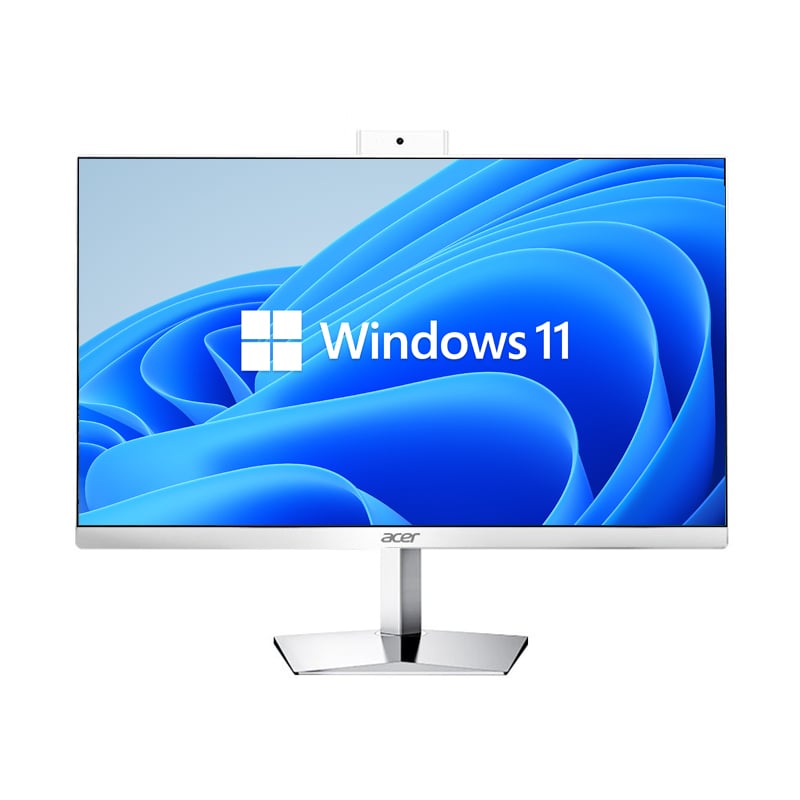
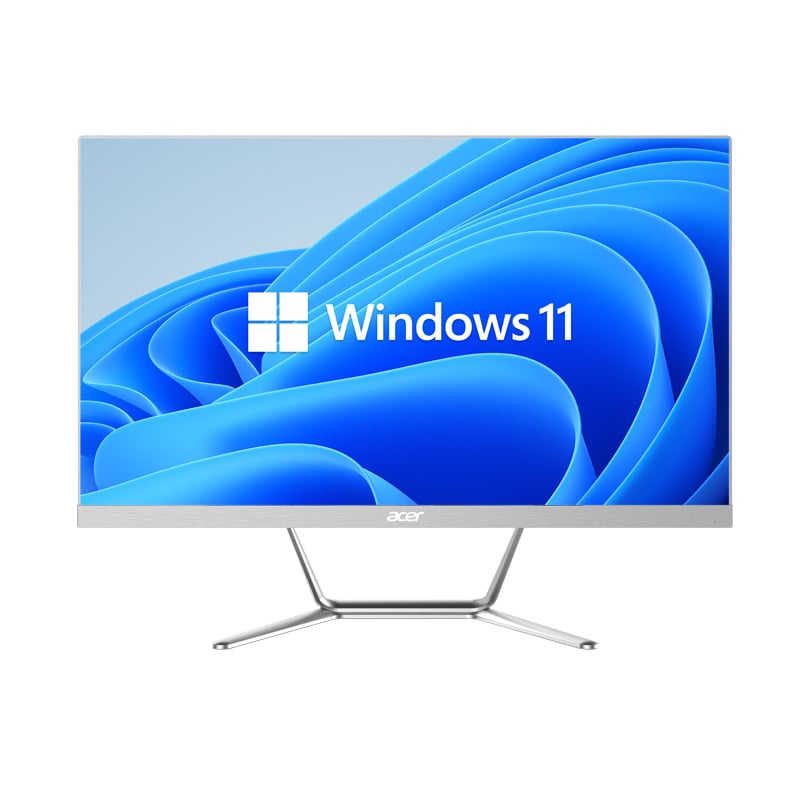
The modern office environment is experiencing a significant transformation as organizations seek more efficient, cost-effective, and space-saving computing solutions. Companies across various industries are increasingly turning to mini PC computer systems as a strategic alternative to traditional desktop computers, driven by compelling business advantages that align with contemporary workplace demands. This shift represents a fundamental change in how organizations approach office technology infrastructure, with mini PC computer systems offering unique benefits that address multiple operational challenges simultaneously.
The adoption of mini PC computer systems reflects a broader trend toward workspace optimization and operational efficiency. These compact computing devices deliver enterprise-grade performance while occupying minimal physical space, making them particularly attractive for businesses dealing with real estate constraints, remote work requirements, and evolving technological needs. Understanding the specific reasons behind this deployment trend provides valuable insights into how companies are reimagining their office technology strategies to remain competitive and agile in today's business environment.
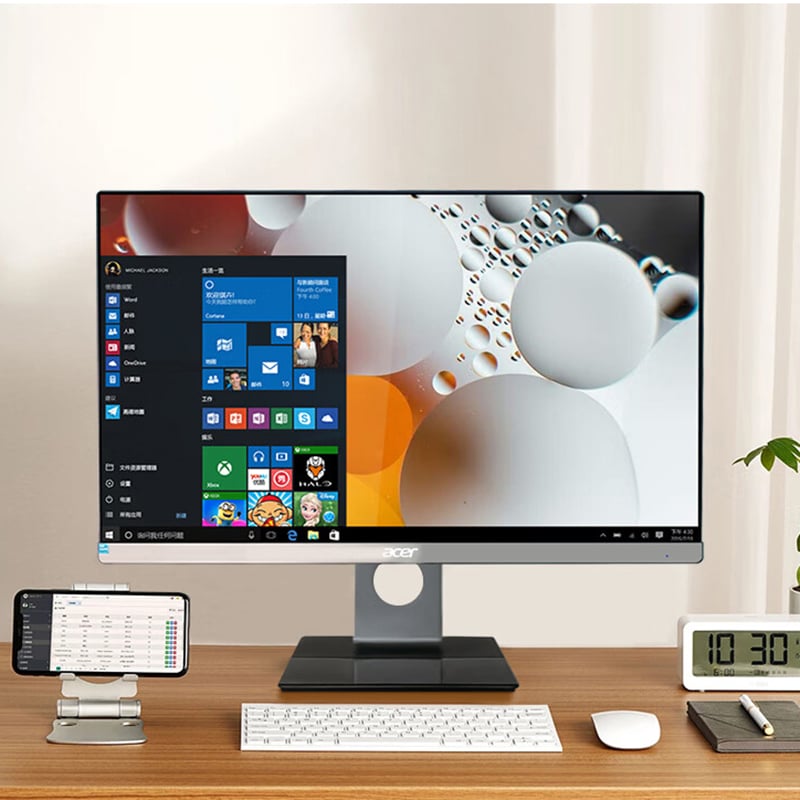
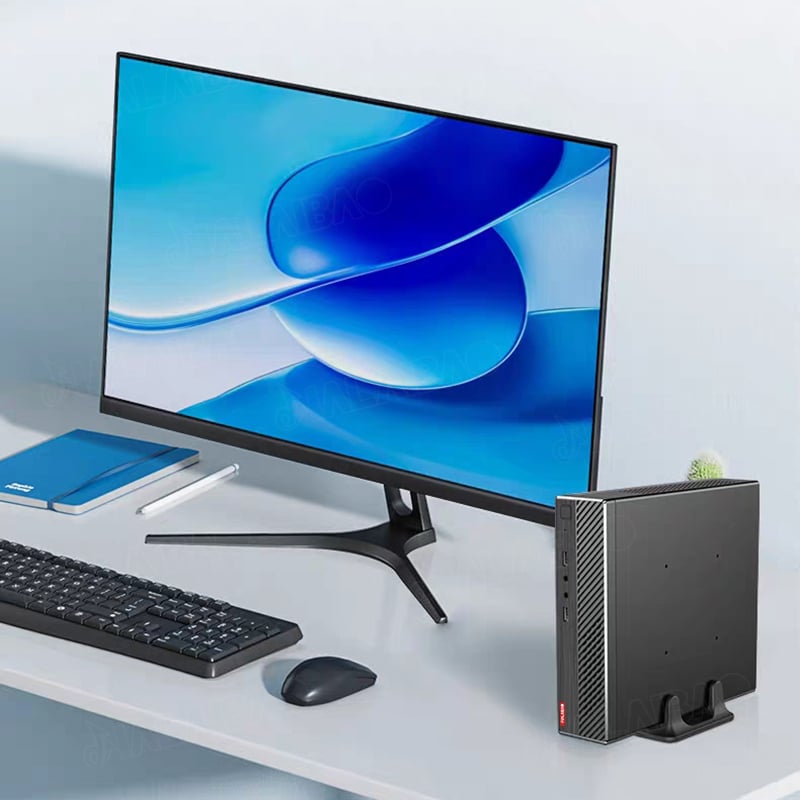
Companies are deploying mini PC computer systems primarily to address the growing challenge of office space limitations and rising real estate costs. Traditional desktop towers consume significant desk space, often requiring dedicated CPU compartments or floor placement that reduces usable workspace. Mini PC computer systems, typically measuring just a few inches in each dimension, can be mounted behind monitors, attached to desk undersides, or placed discretely on shelves without impacting the workspace aesthetic or functionality.
This space efficiency translates directly into cost savings for organizations operating in expensive urban markets where commercial real estate commands premium prices. By reducing the physical footprint of computing equipment, companies can accommodate more employees in existing spaces or downsize their office requirements without sacrificing productivity. The compact design of mini PC computer systems also supports flexible office layouts, including hot-desking arrangements and collaborative spaces that require adaptable technology solutions.
The deployment of mini PC computer systems significantly simplifies cable management and workspace organization compared to traditional desktop setups. These compact devices typically require fewer cables and connections, reducing the visual clutter that often characterizes conventional office environments. Many mini PC computer systems feature wireless connectivity options that further minimize cable requirements, contributing to cleaner, more professional-looking workspaces.
Professional office environments benefit from the streamlined appearance that mini PC computer systems provide, as they can be concealed or integrated seamlessly into existing furniture and mounting systems. This organizational advantage extends beyond aesthetics, as reduced cable complexity also decreases maintenance requirements and improves workplace safety by eliminating trip hazards associated with traditional desktop computer installations.
Modern mini PC computer systems deliver performance levels that meet or exceed the requirements of typical business applications, including office productivity suites, enterprise software, web-based platforms, and communication tools. Companies are discovering that these compact devices can handle demanding business workflows while consuming significantly less power than traditional desktop computers. The latest generation of mini PC computer systems incorporates advanced processors and memory configurations that support multitasking, data processing, and collaborative software without performance degradation.
The performance efficiency of mini PC computer systems becomes particularly evident in scenarios involving standardized business applications rather than specialized computing tasks. For employees working with document processing, email systems, customer relationship management software, and web-based applications, mini PC computer systems provide adequate computational resources while delivering superior energy efficiency and operational reliability.
Energy conservation represents a critical factor driving corporate adoption of mini PC computer systems, as organizations increasingly prioritize sustainability initiatives and operational cost reduction. These compact devices typically consume 60-80% less electricity than traditional desktop computers while maintaining comparable performance for standard business applications. The reduced energy consumption translates into measurable cost savings over time, particularly for organizations operating large numbers of workstations.
Companies deploying mini PC computer systems also benefit from reduced heat generation, which decreases air conditioning requirements and contributes to overall facility energy efficiency. This environmental advantage aligns with corporate sustainability goals while providing tangible operational benefits, including improved workplace comfort and reduced utility expenses. The lower power requirements of mini PC computer systems also support uninterruptible power supply systems more effectively, enhancing business continuity capabilities.
The shift toward remote and hybrid work models has accelerated corporate interest in mini PC computer systems due to their portability and deployment flexibility. These compact devices can be easily transported between office and home environments, enabling employees to maintain consistent computing experiences across different work locations. Companies appreciate that mini PC computer systems eliminate the complexity of managing separate home and office computer setups while ensuring security and compliance standards are maintained regardless of work location.
The lightweight and compact nature of mini PC computer systems makes them ideal for organizations supporting flexible work arrangements, as employees can quickly relocate their primary computing device without requiring IT support or complex reconfiguration procedures. This mobility advantage has proven particularly valuable during business continuity situations and supports organizational agility in responding to changing workplace requirements.
IT departments favor mini PC computer systems for their simplified deployment and management characteristics compared to traditional desktop installations. These devices can be pre-configured and deployed rapidly, reducing the time and resources required for new employee onboarding or office relocations. The standardized form factor of mini PC computer systems also simplifies inventory management, spare parts stocking, and technical support procedures.
Companies benefit from the reduced complexity of managing mini PC computer systems, as these devices typically feature fewer mechanical components and connection points than traditional desktops, resulting in improved reliability and reduced maintenance requirements. The compact design also facilitates centralized management approaches, including remote monitoring and automated updates, which enhance IT operational efficiency while reducing total cost of ownership.
The financial advantages of deploying mini PC computer systems extend beyond initial purchase costs to encompass comprehensive total cost of ownership considerations. While the upfront investment in mini PC computer systems may vary depending on specifications, companies often realize significant savings through reduced energy consumption, simplified maintenance requirements, and extended device lifecycles. The lower power consumption alone can generate substantial cost savings over the operational lifetime of the equipment.
Organizations also benefit from reduced infrastructure requirements when deploying mini PC computer systems, as these devices place minimal demands on electrical systems, cooling capacity, and physical space. This infrastructure efficiency translates into lower facility costs and reduced complexity in office design and management, contributing to improved budget optimization across multiple operational categories.
The simplified architecture of mini PC computer systems typically results in lower maintenance and support costs compared to traditional desktop computers. These devices feature fewer moving parts, reduced cable complexity, and standardized configurations that facilitate troubleshooting and repair procedures. Companies deploying mini PC computer systems often report decreased help desk requests and faster resolution times for technical issues, contributing to improved IT operational efficiency.
The reliability advantages of mini PC computer systems also reduce downtime costs and productivity losses associated with hardware failures. The compact design and solid-state storage options commonly found in mini PC computer systems contribute to improved durability and reduced susceptibility to mechanical failures, resulting in lower replacement costs and extended device lifecycles that improve overall budget predictability.
Companies are increasingly recognizing the security advantages that mini PC computer systems provide through their compact size and mounting flexibility. These devices can be secured in locations that are less accessible to unauthorized personnel, reducing theft risks and improving physical security compliance. The ability to mount mini PC computer systems behind monitors or in locked enclosures provides enhanced protection for sensitive business data and corporate assets.
Asset management becomes more straightforward with mini PC computer systems due to their standardized form factors and simplified tracking requirements. Organizations can implement more effective inventory control and location monitoring for these compact devices, contributing to improved compliance with corporate governance requirements and regulatory standards that mandate accurate asset tracking and security controls.
The deployment of mini PC computer systems supports enhanced data security through centralized management capabilities and standardized security configurations. These devices can be configured with enterprise security features, including encryption, secure boot processes, and remote management tools that enable IT departments to maintain consistent security postures across distributed work environments. The standardized nature of mini PC computer systems also facilitates automated security updates and compliance monitoring.
Companies benefit from the improved security oversight that mini PC computer systems enable, as these devices can be managed remotely and monitored for compliance with corporate security policies. The compact design and integrated security features of modern mini PC computer systems support zero-trust security models and enable organizations to maintain security standards regardless of device location or user behavior patterns.
Mini PC computer systems excel in business environments that primarily utilize standard office applications, web-based software, customer relationship management systems, communication platforms, and document processing tools. They are particularly effective for roles involving data entry, administrative tasks, customer service, financial analysis using standard software packages, and collaborative work that relies on cloud-based applications. However, they may not be suitable for intensive computational tasks such as video editing, 3D modeling, or specialized engineering applications that require high-performance graphics capabilities.
Mini PC computer systems typically offer limited upgrade potential compared to traditional desktop computers due to their compact design and integrated components. While some models allow memory and storage upgrades, most mini PC computer systems feature soldered processors and graphics capabilities that cannot be enhanced after purchase. However, this limitation is often offset by lower replacement costs and the ability to deploy newer models more frequently, allowing companies to maintain current technology standards through periodic device refreshes rather than component upgrades.
Successful implementation of mini PC computer systems requires assessment of existing monitor compatibility, network infrastructure capacity, mounting solutions, and user workflow requirements. Companies should evaluate whether current displays support the connection types available on mini PC computer systems, ensure adequate network bandwidth for potential increases in wireless connectivity usage, and plan for appropriate mounting or placement solutions that maximize space efficiency. Additionally, user training may be required to adapt to any interface or connectivity differences compared to traditional desktop systems.
Mini PC computer systems enhance business continuity through their portability, lower power requirements, and simplified deployment characteristics. During emergency situations or office relocations, these compact devices can be quickly moved to alternative locations and operational within minimal setup time. Their reduced power consumption also makes them compatible with backup power systems for extended periods, while their compact size facilitates storage and protection of backup equipment. The standardized configurations of mini PC computer systems also support rapid replacement and restoration procedures when implementing disaster recovery protocols.
 EN
EN
 AR
AR
 BG
BG
 HR
HR
 CS
CS
 DA
DA
 NL
NL
 FR
FR
 DE
DE
 EL
EL
 HI
HI
 IT
IT
 JA
JA
 KO
KO
 NO
NO
 PL
PL
 PT
PT
 RO
RO
 RU
RU
 ES
ES
 SV
SV
 TL
TL
 IW
IW
 ID
ID
 SR
SR
 SK
SK
 VI
VI
 HU
HU
 TH
TH
 TR
TR
 FA
FA
 AF
AF
 MS
MS
 SW
SW
 UR
UR
 BN
BN
 HA
HA
 KM
KM
 MN
MN
 UZ
UZ