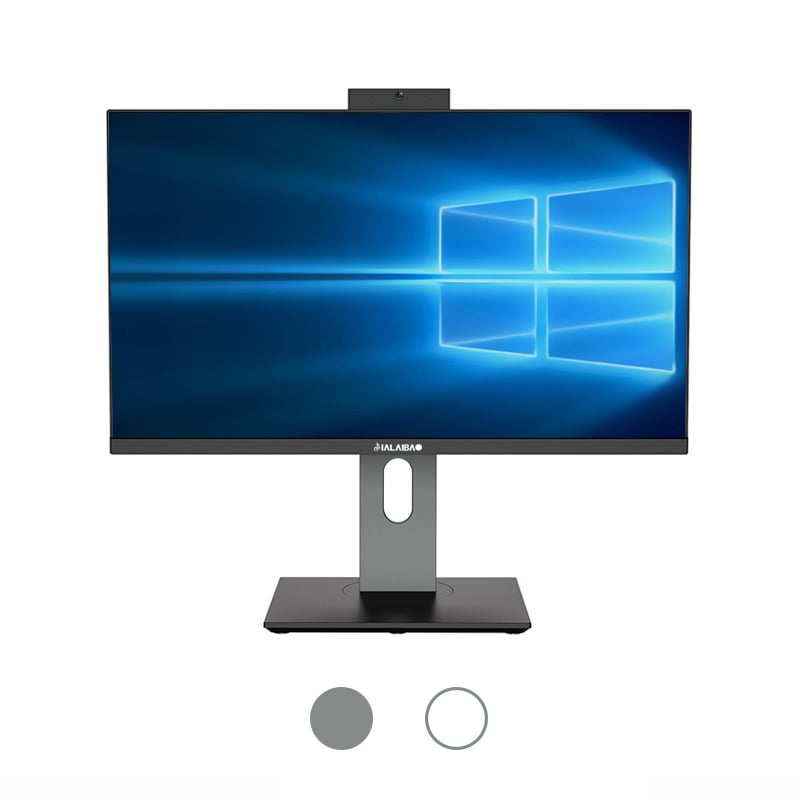
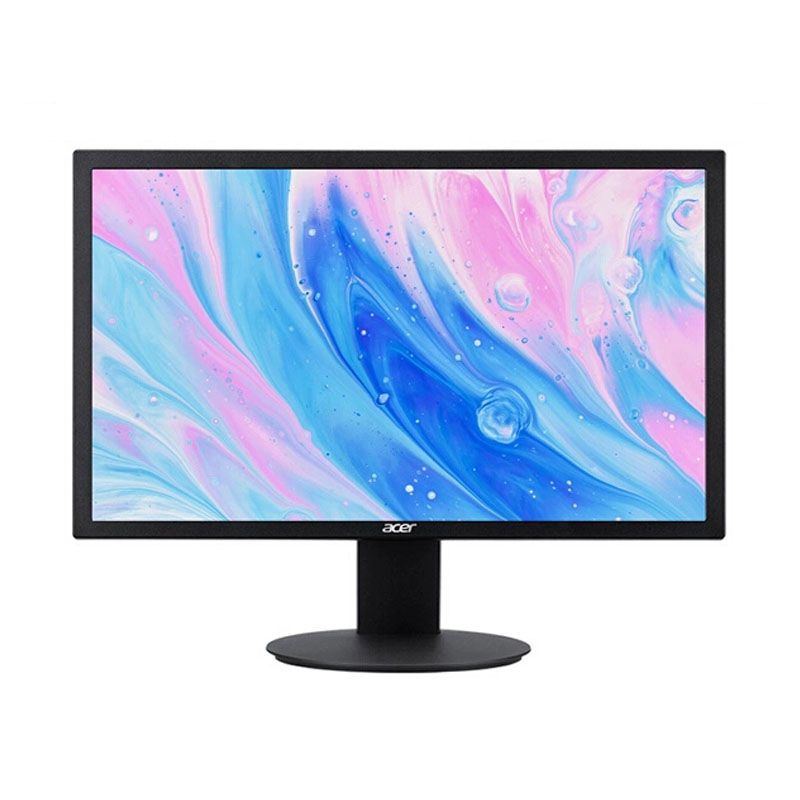
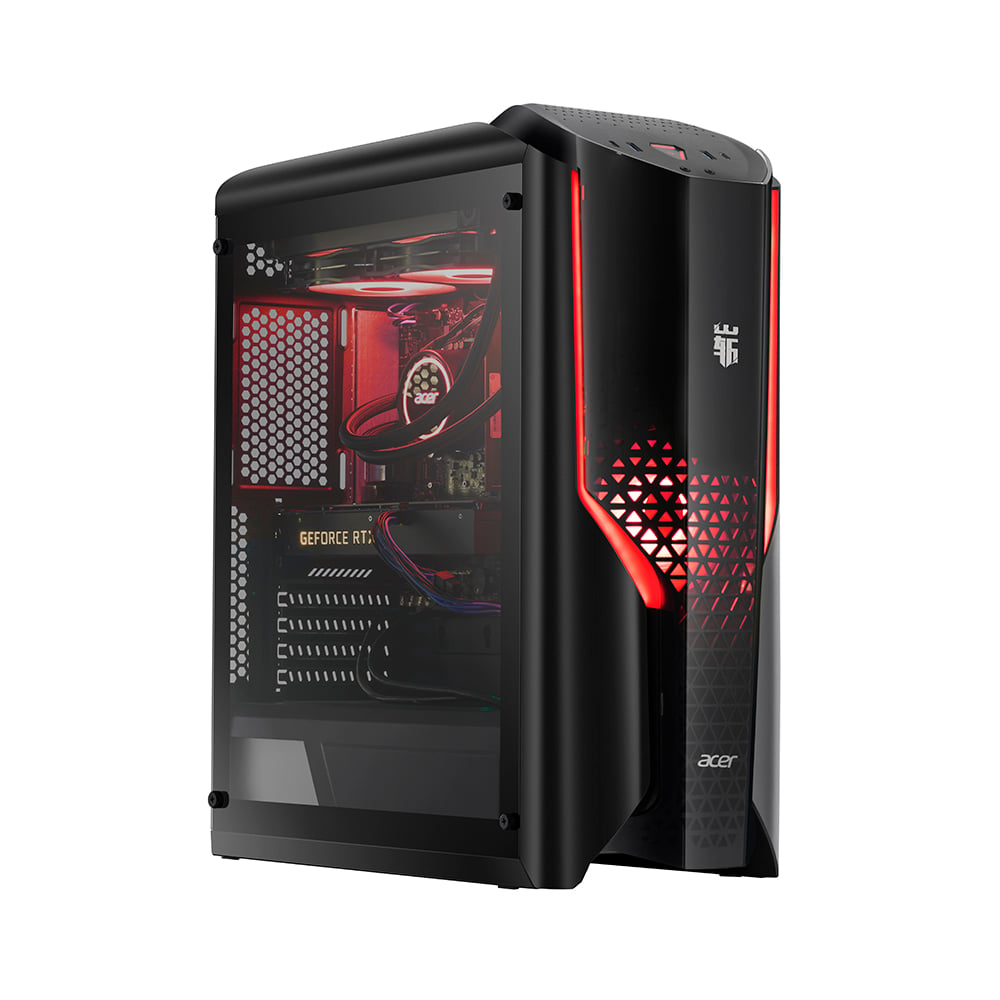
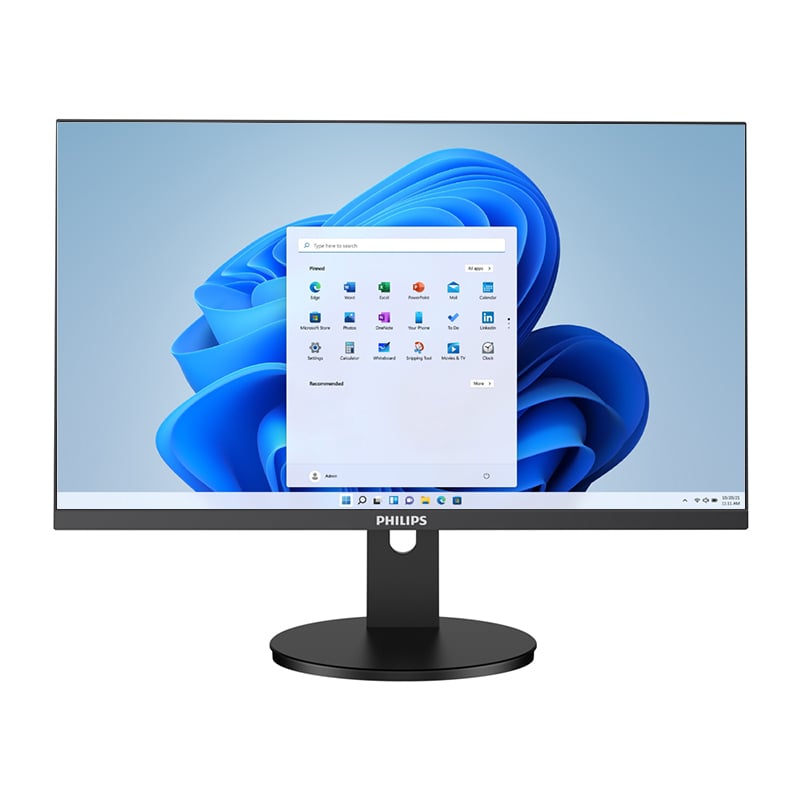
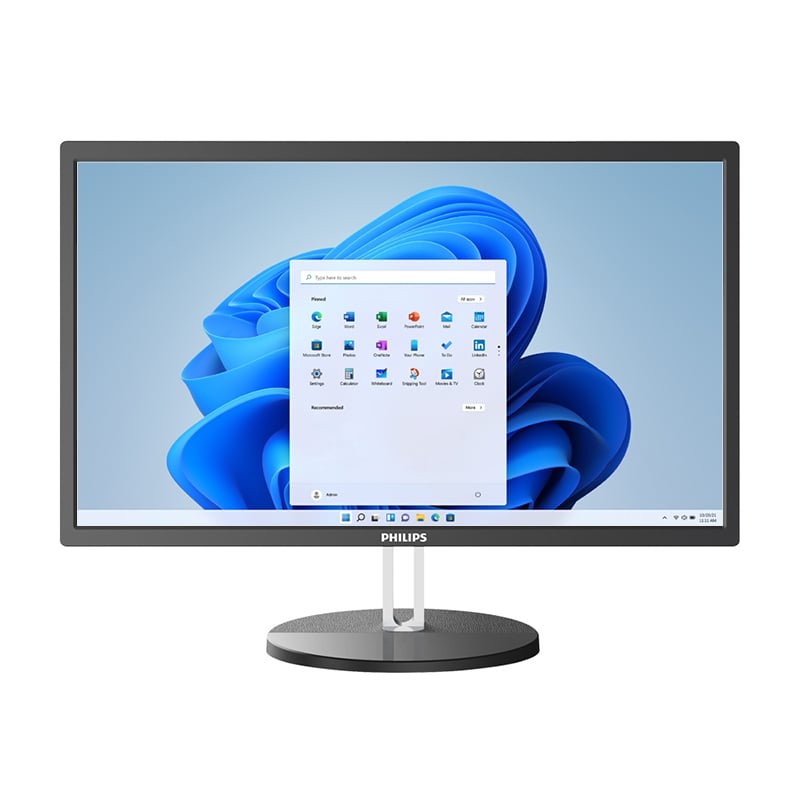
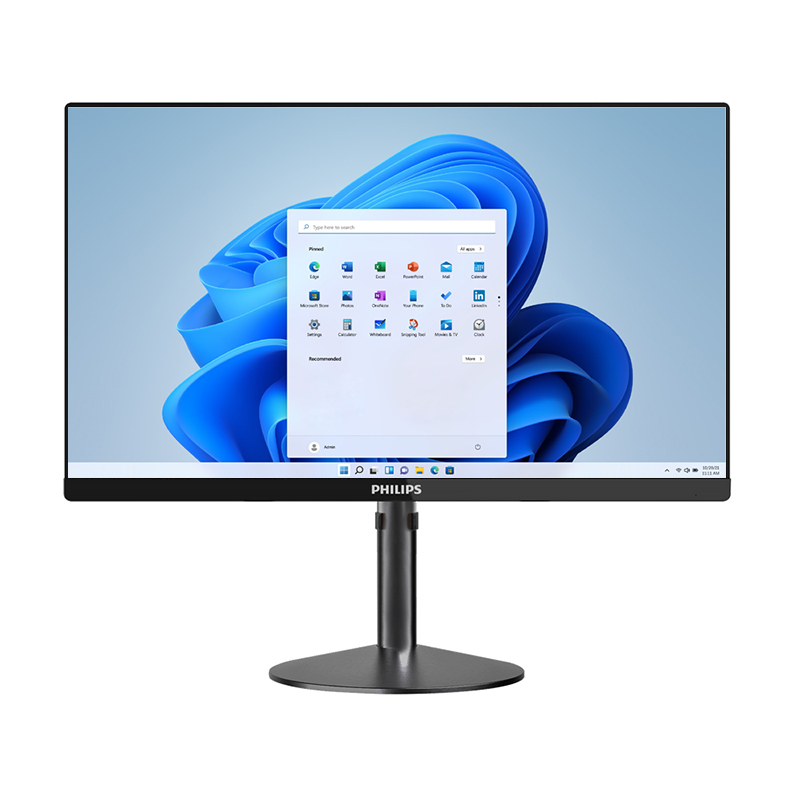
The retail industry has undergone a significant transformation in recent years, and at the heart of that transformation is the technology powering the point-of-sale experience. One of the most notable shifts has been the widespread adoption of the compact PC across retail floors, checkout counters, hospitality desks, and self-service kiosks. As store layouts shrink, customer expectations rise, and operational efficiency becomes a competitive differentiator, businesses are actively rethinking the hardware they deploy. The compact PC has emerged as a frontrunner in this transition, offering a compelling combination of performance, footprint economy, and deployment flexibility that traditional desktop towers simply cannot match.
Understanding why the compact PC has become so popular in retail and POS environments requires looking beyond the surface-level appeal of its small size. There are deep operational, financial, and logistical reasons why retailers — from independent boutiques to large-scale chain operators — are choosing compact computing solutions over legacy hardware. This article explores those reasons in detail, examining the unique demands of the retail environment and how the compact PC addresses them with precision and practicality.
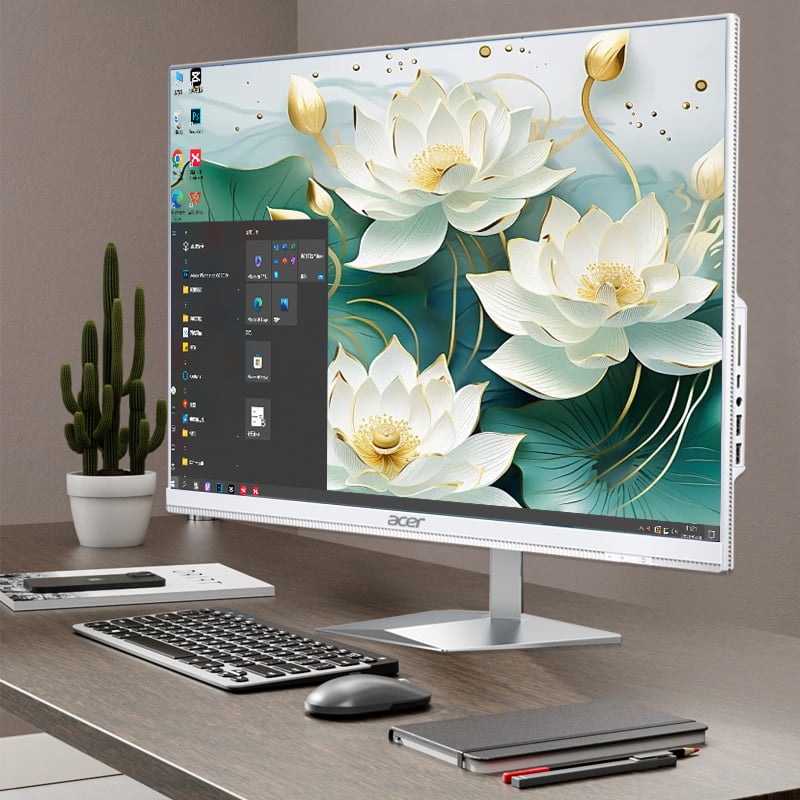
Retail environments are carefully designed spaces where every square centimeter of counter space has commercial value. A bulky tower PC occupying valuable counter real estate is not just inconvenient — it actively detracts from the customer experience and limits the usability of the workspace. Checkout counters, service desks, and kiosk stations are often built with minimal depth, leaving little room for oversized hardware. The compact PC fits naturally into these constrained setups, either sitting neatly beside a monitor or being mounted directly behind it using a standard VESA bracket system.
This space efficiency is not merely aesthetic. It translates into cleaner cable management, reduced clutter, and a more professional appearance at the point of sale. For retail brands that invest heavily in store design and ambiance, the ability to minimize the technological footprint while maintaining full computing capability is an invaluable advantage. The compact PC allows the technology to recede into the background, keeping the customer's focus on the products and the service rather than the hardware infrastructure.
Retail and POS environments demand hardware that operates reliably across long business hours, sometimes running continuously without shutdown. A compact PC designed for commercial use is engineered to handle this kind of sustained operation. Unlike consumer-grade hardware that may throttle performance or overheat during extended use, a well-built compact PC incorporates thermal management systems — whether passive cooling fins or low-noise active cooling — that maintain stable performance throughout the day.
Reliability also extends to the software side. Retail POS systems depend on consistent hardware behavior to ensure transaction accuracy, inventory synchronization, and receipt printing without interruption. The compact PC provides a stable, predictable computing platform that IT administrators can configure once and trust to perform consistently. This predictability reduces the cost and complexity of ongoing maintenance, which is particularly important for multi-location retail operators managing dozens or hundreds of terminals simultaneously.
Modern retail POS software is far more demanding than it was a decade ago. Today's systems handle real-time inventory lookups, customer loyalty program integrations, cloud synchronization, payment processing across multiple tender types, and increasingly, AI-driven analytics at the edge. A compact PC equipped with a capable processor — such as an Intel Core or Celeron series chip — delivers more than enough processing power to handle these workloads without lag or system instability. The compact PC punches well above its physical size in terms of computational capability.
What makes this particularly relevant in retail settings is that the compact PC achieves this performance while consuming significantly less power than a full-sized desktop. Lower power consumption means lower electricity costs, which adds up meaningfully for retailers operating large fleets of terminals. It also means reduced heat output in enclosed counter environments, which contributes to longer hardware lifespan and fewer cooling-related failures over time.
A POS terminal is rarely a standalone device. It must connect to barcode scanners, receipt printers, cash drawers, customer display screens, payment terminals, and sometimes weighing scales or label printers. The compact PC is typically equipped with a range of I/O ports — multiple USB connections, serial ports, display outputs, and Ethernet — that make it straightforward to integrate with the full ecosystem of retail peripherals. This broad connectivity is a non-negotiable requirement for any serious POS deployment.
Furthermore, many compact PC models support dual-display configurations, which is increasingly common in retail environments where a customer-facing screen shows itemized totals, promotional content, or digital signage while the operator works on a separate display. This dual-screen capability, delivered from a unit that takes up almost no counter space, underscores why the compact PC has become the preferred hardware choice for forward-thinking retailers. For businesses exploring high-quality options in this category, the compact PC from specialized commercial hardware providers offers a robust set of features tailored to exactly these needs.
One of the most practical advantages of a compact PC is how easy it is to install in virtually any store configuration. Whether a retailer is setting up a traditional cashier counter, a mobile payment station, a customer information kiosk, or a pop-up retail outlet, the compact PC adapts without requiring custom infrastructure changes. Its lightweight form factor means it can be repositioned quickly, mounted in various orientations, or relocated entirely as store layouts evolve.
This flexibility is especially valuable for retail chains that standardize their hardware across multiple locations. Deploying identical compact PC units at every store simplifies procurement, reduces spare parts complexity, and makes remote IT management more efficient. When a technician needs to troubleshoot or replace a unit, the process is straightforward because every installation is consistent. The compact PC essentially enables a plug-and-play approach to retail hardware deployment that legacy tower systems could never realistically support.
As a retail business grows — adding new locations, expanding product lines, or integrating new service channels — its hardware infrastructure must scale accordingly. The compact PC makes this scaling process financially and logistically manageable. Because each unit is affordable relative to its capabilities, adding new terminals as business volumes increase does not require large capital expenditure. Retailers can grow their POS infrastructure incrementally, purchasing additional compact PC units as needed rather than committing to large hardware investments upfront.
Scalability also applies to software upgrades and system migrations. A compact PC running a modern operating system can be updated remotely, reconfigured for new POS software platforms, or reimaged centrally through IT management tools. This means that even as retail technology evolves rapidly, the hardware investment retains its value over a longer lifecycle than might otherwise be expected from such a compact form factor.
Budget considerations are always relevant in retail hardware procurement, and the compact PC offers a genuinely favorable cost profile. Compared to all-in-one touchscreen POS terminals or enterprise-grade desktop towers, the compact PC provides similar or superior computing performance at a lower price point. This cost advantage is amplified when purchasing in volume across multiple locations, where even modest per-unit savings accumulate into significant budget relief.
The lower initial investment does not come at the expense of durability or capability. A commercial-grade compact PC built for POS deployment is designed to last through years of continuous operation in demanding retail environments. The combination of lower purchase price and long service life results in an attractive total cost of ownership calculation that finance teams and operations managers both appreciate. Retailers get professional-grade computing without the premium pricing associated with branded POS hardware ecosystems.
Beyond the initial purchase price, the compact PC delivers ongoing cost savings through several mechanisms. Its low power consumption directly reduces electricity bills, which may seem minor on a per-unit basis but becomes meaningful across a fleet of terminals running twelve or more hours per day. Reduced heat output translates into lower cooling requirements in the store environment, which further contributes to energy savings and a more comfortable working environment for staff.
Maintenance costs are also lower with the compact PC. Fewer mechanical components — no optical drives, no oversized cooling systems, no unnecessary legacy ports — mean fewer points of failure. When maintenance is required, the compact PC is easy to service or replace quickly, minimizing downtime at the point of sale. In retail, every minute of POS downtime has a direct impact on revenue, so the reliability and serviceability of the hardware are not abstract benefits — they are quantifiable contributions to the bottom line.
Retail staff spend entire shifts working at POS stations, and the physical comfort of that workspace matters for productivity and employee satisfaction. Traditional desktop towers generate considerable fan noise, particularly under load, which can be distracting in quieter retail environments such as luxury boutiques, pharmacies, or specialty stores. The compact PC, by contrast, operates with minimal noise — and many models are entirely fanless or use near-silent cooling solutions. This creates a more pleasant workspace for staff and a less intrusive environment for customers nearby.
The reduced heat output of the compact PC also contributes to a more comfortable counter environment. Working next to a heat-generating tower PC for extended periods is genuinely uncomfortable, particularly in compact booth-style checkout areas or enclosed service kiosks. The compact PC's thermal efficiency means that workstation temperatures remain comfortable, which has a subtle but real effect on staff wellbeing and performance over the course of a long retail shift.
Sustainability is increasingly a business priority for retailers, driven by both regulatory requirements and consumer expectations. The compact PC supports sustainability goals in a tangible way through its low power consumption and reduced material usage compared to full-sized hardware. Retailers that are working toward carbon reduction targets or green building certifications can factor in the energy efficiency of their POS hardware as part of a broader environmental strategy.
The compact PC also tends to have a longer operational lifespan relative to consumer electronics, reducing the frequency of hardware disposal and the associated environmental impact. When units do reach end-of-life, their small size and relatively simple construction make them easier to recycle responsibly. For retailers who take sustainability reporting seriously, the shift to compact PC infrastructure represents a meaningful and measurable improvement in their technology footprint.
A compact PC is purpose-suited for POS environments because it combines sufficient processing power with a dramatically smaller footprint, lower power consumption, and broader peripheral connectivity than most standard consumer desktops. It can be VESA-mounted, operates quietly, and is designed for continuous commercial use — all characteristics that a regular home or office desktop typically does not offer. These qualities make the compact PC a practical and cost-effective choice for retail deployments.
Yes. A commercial-grade compact PC is engineered to run continuously in demanding environments without performance degradation. Its thermal management systems maintain stable operation during extended use, and its hardware is selected for durability rather than just specification value. High-traffic retail locations that process hundreds or thousands of transactions per day routinely rely on the compact PC as their primary POS computing platform with strong reliability outcomes.
Setting up a compact PC at a new retail location is straightforward. The unit can be mounted behind a monitor using a standard VESA bracket or placed on a counter surface. It connects to peripherals through standard USB, serial, and display ports, and can be preconfigured with the required POS software before deployment. IT teams managing multi-location rollouts often find that the compact PC significantly reduces setup time and complexity compared to larger, more cumbersome hardware alternatives.
Absolutely. The compact PC offers a strong long-term value proposition for retail businesses. Its durability, software updateability, energy efficiency, and low maintenance requirements all contribute to a favorable total cost of ownership over a multi-year deployment period. As retail technology continues to evolve, the compact PC's ability to run updated operating systems and new POS software ensures that businesses can extend the useful life of their hardware investment without frequent full replacements.
 EN
EN
 AR
AR
 BG
BG
 HR
HR
 CS
CS
 DA
DA
 NL
NL
 FR
FR
 DE
DE
 EL
EL
 HI
HI
 IT
IT
 JA
JA
 KO
KO
 NO
NO
 PL
PL
 PT
PT
 RO
RO
 RU
RU
 ES
ES
 SV
SV
 TL
TL
 IW
IW
 ID
ID
 SR
SR
 SK
SK
 VI
VI
 HU
HU
 TH
TH
 TR
TR
 FA
FA
 AF
AF
 MS
MS
 SW
SW
 UR
UR
 BN
BN
 HA
HA
 KM
KM
 MN
MN
 UZ
UZ