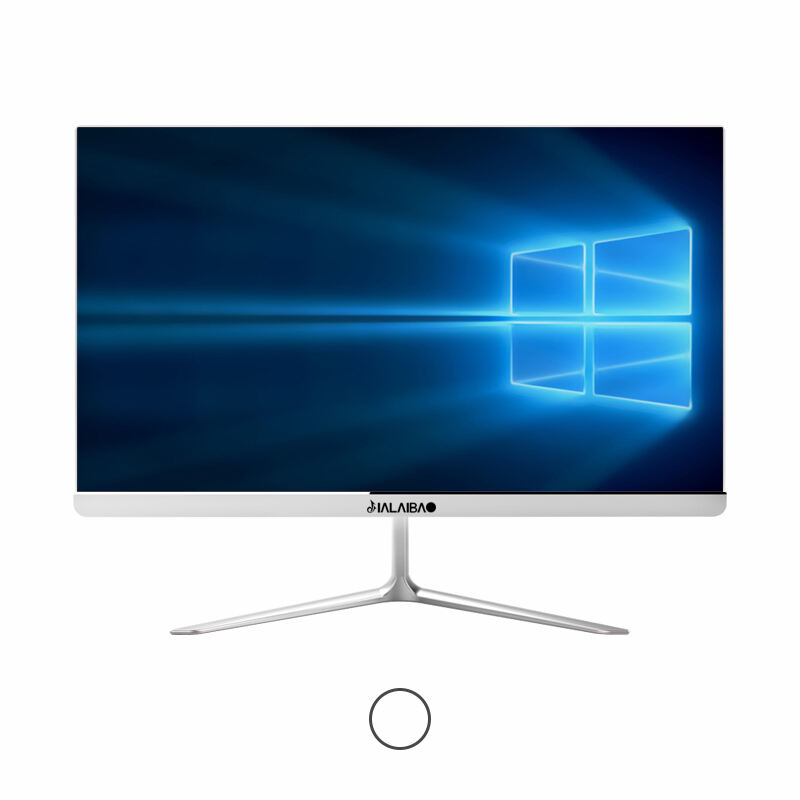
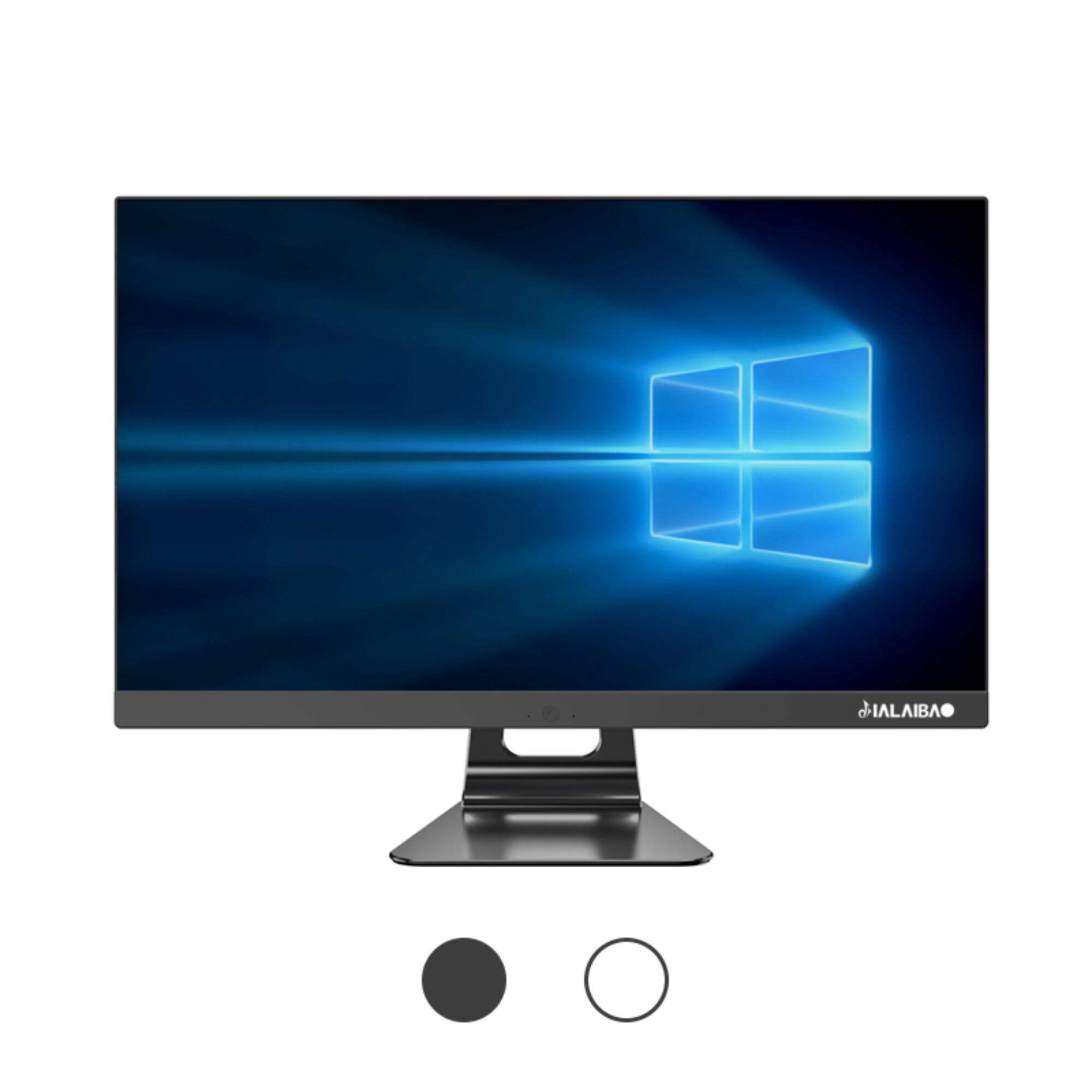
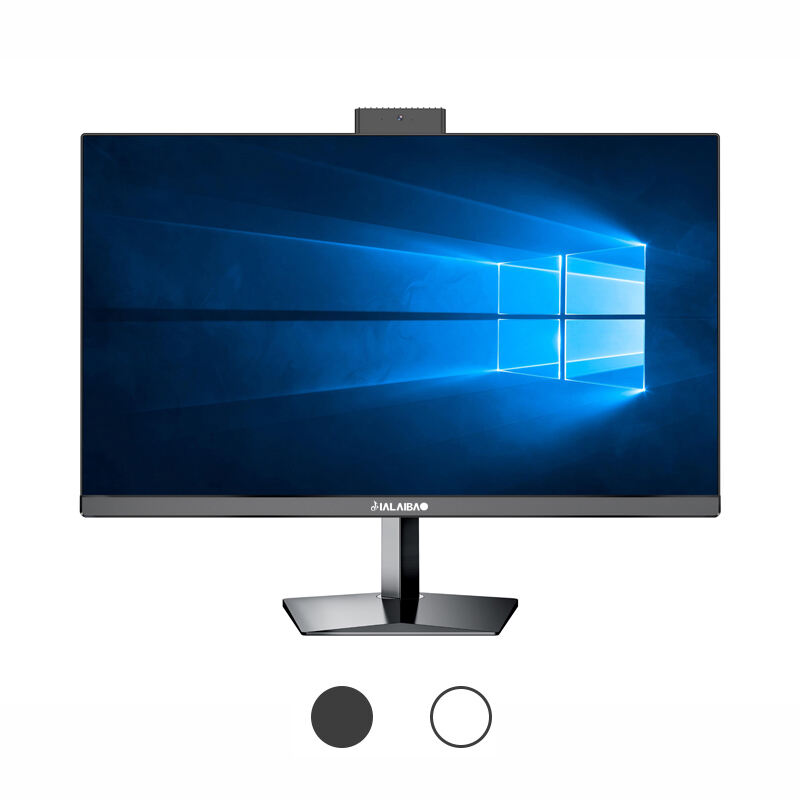
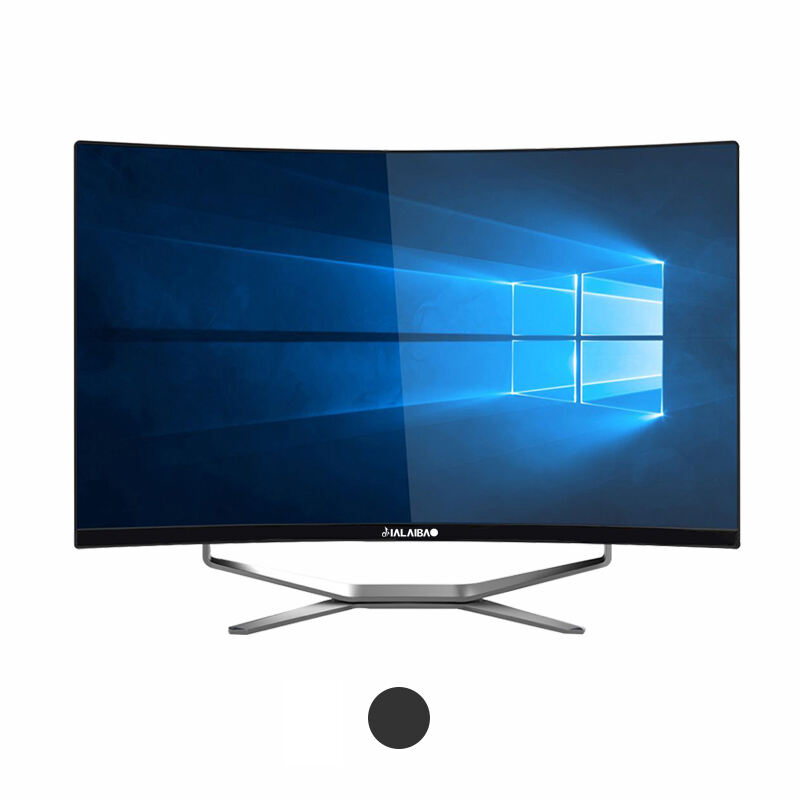
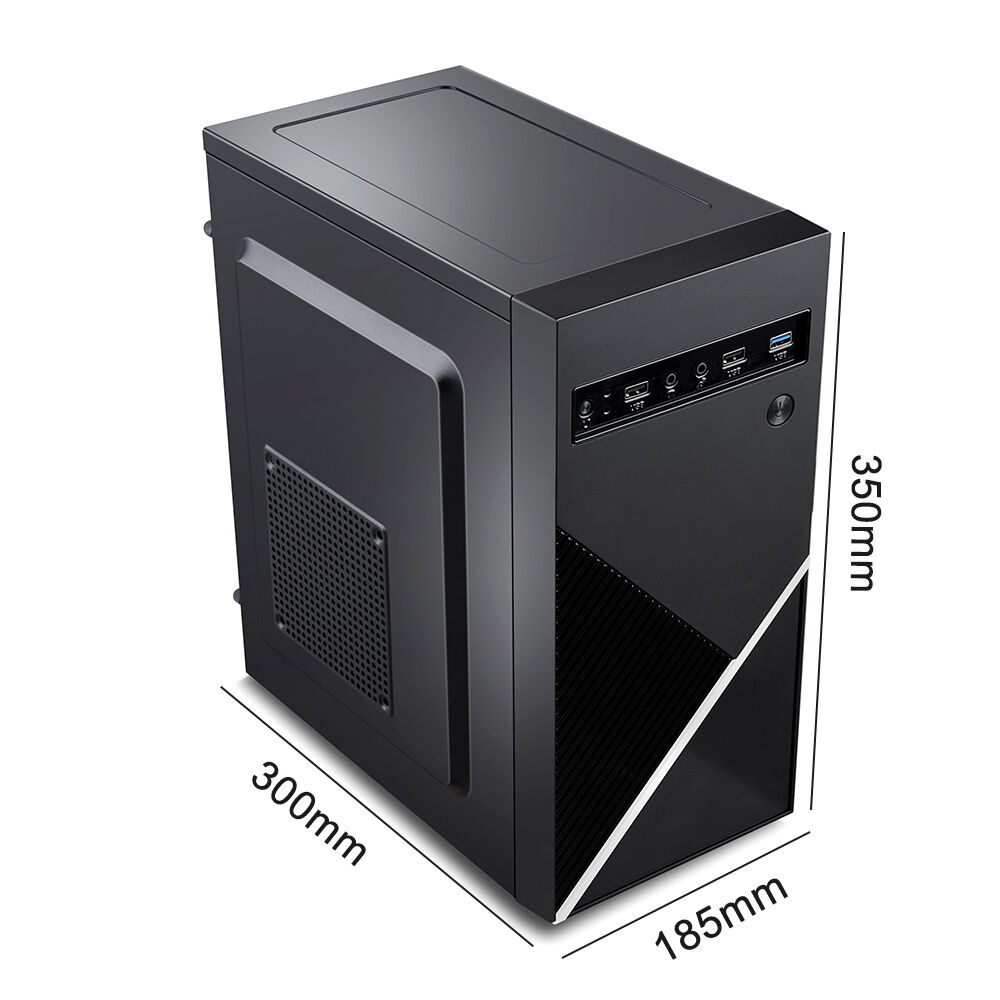
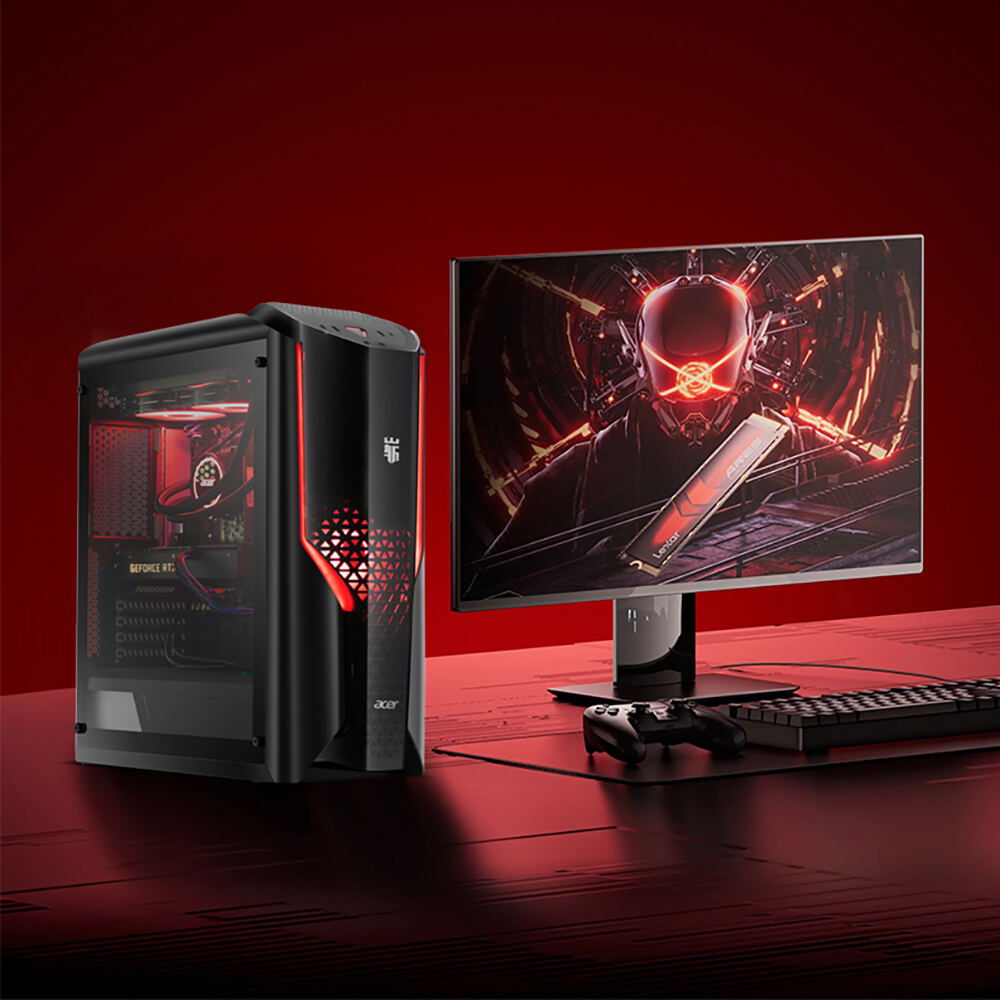
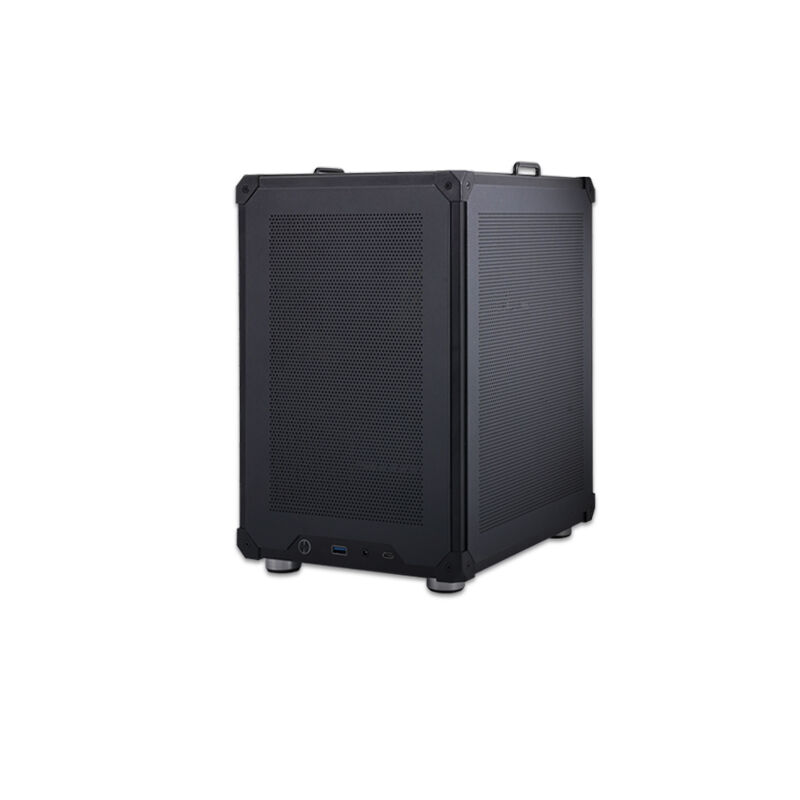
commercial desktop for hospital
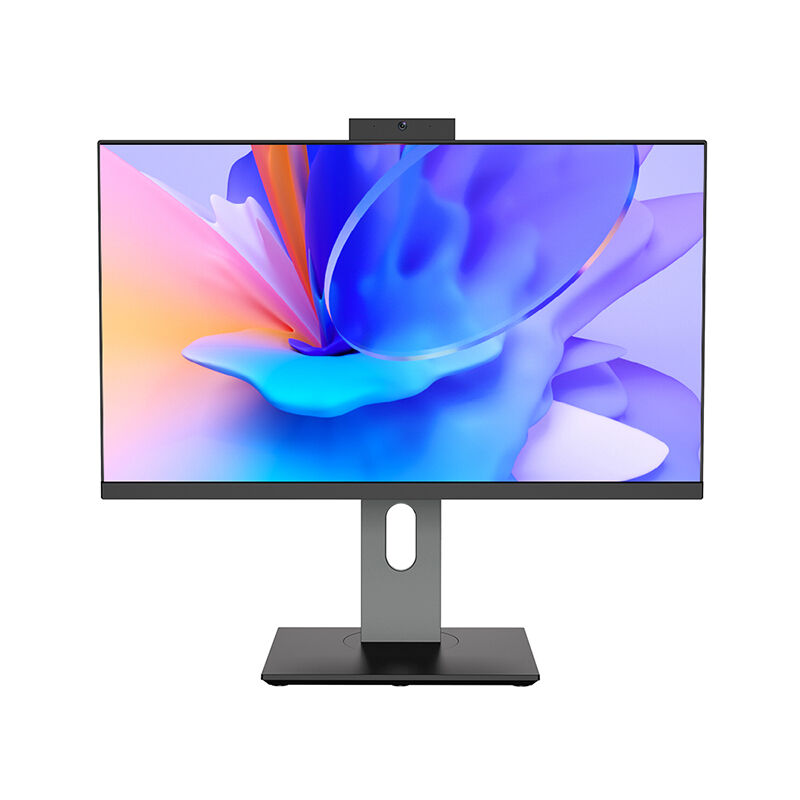
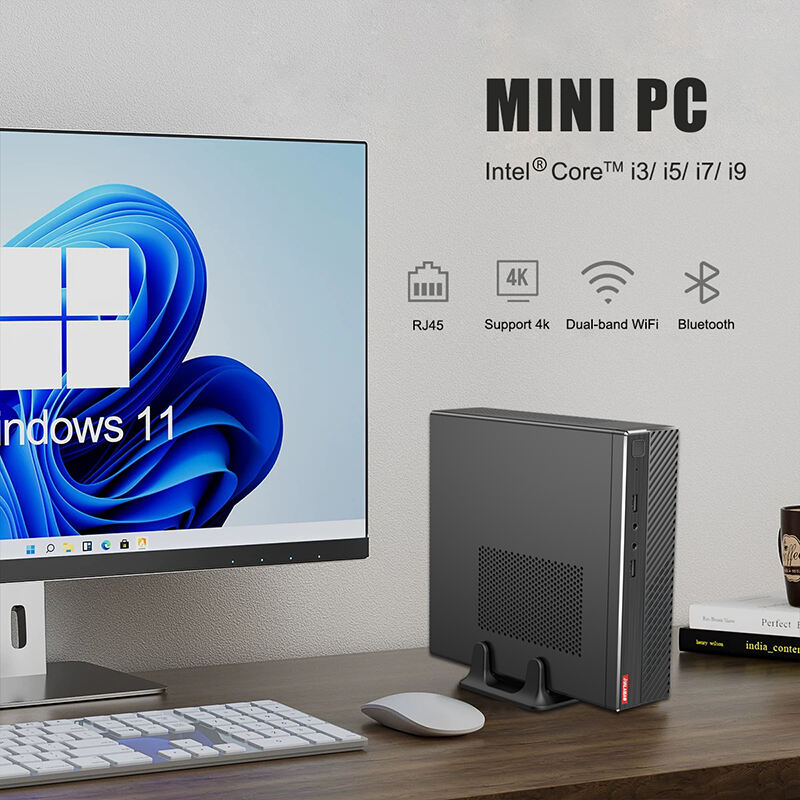
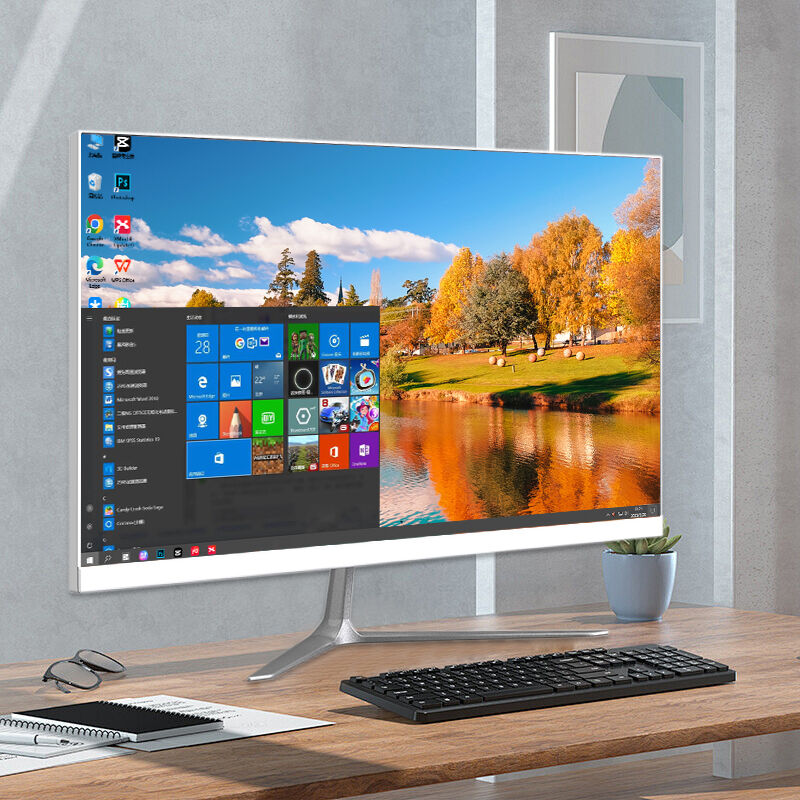
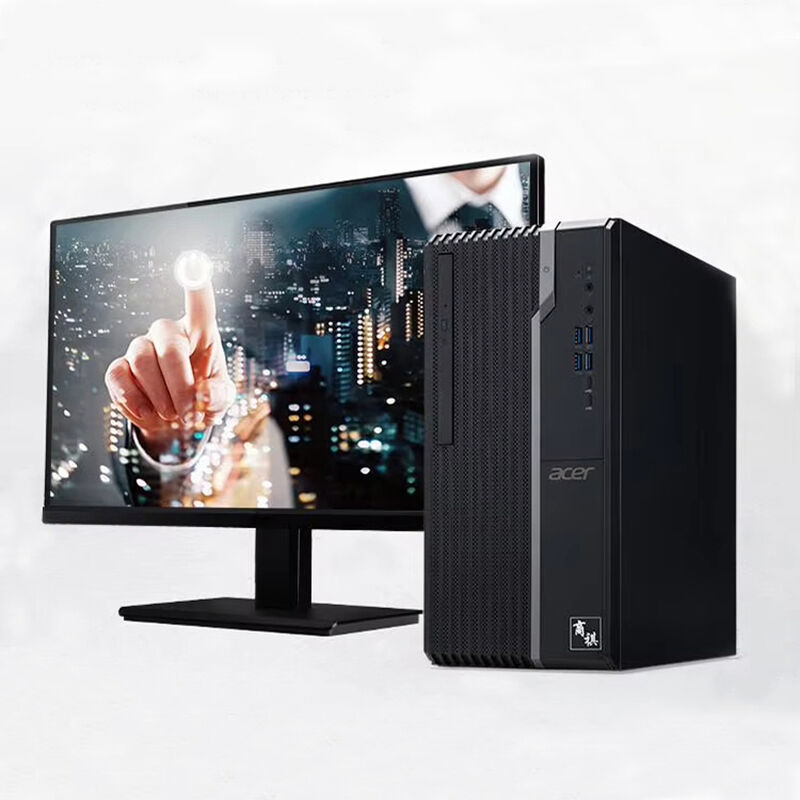
The commercial desktop for hospital represents a specialized computing solution designed specifically for healthcare environments where reliability, security, and performance are paramount. These medical-grade workstations integrate advanced hardware components with healthcare-specific software capabilities to support critical medical operations. Unlike standard consumer desktops, a commercial desktop for hospital must meet stringent regulatory requirements including HIPAA compliance, FDA standards, and medical device certifications. The system architecture incorporates antimicrobial surfaces, fanless cooling designs, and sealed enclosures to prevent contamination in sterile environments. Key functionalities include electronic health record (EHR) management, medical imaging processing, laboratory information systems integration, and real-time patient monitoring interfaces. The commercial desktop for hospital features enterprise-grade processors capable of handling multiple simultaneous applications without performance degradation. Memory configurations typically range from 16GB to 64GB RAM to accommodate resource-intensive medical software applications. Storage solutions utilize solid-state drives with encryption capabilities to ensure data security and rapid access times. Network connectivity includes multiple Ethernet ports, wireless capabilities, and specialized medical device interfaces such as USB-C, serial ports, and custom connectors for medical peripherals. Display outputs support multiple high-resolution monitors essential for medical imaging workflows. The commercial desktop for hospital incorporates redundant power supplies and battery backup systems to ensure uninterrupted operation during power fluctuations. Thermal management systems maintain optimal operating temperatures while minimizing noise levels critical in patient care areas. Remote management capabilities allow IT administrators to monitor, update, and troubleshoot systems without physical access, reducing downtime and maintenance costs. Security features include TPM chips, biometric authentication options, and comprehensive audit logging to maintain patient data privacy. These systems undergo rigorous testing protocols to ensure electromagnetic compatibility with sensitive medical equipment and maintain consistent performance under demanding healthcare conditions.
 EN
EN
 AR
AR
 BG
BG
 HR
HR
 CS
CS
 DA
DA
 NL
NL
 FR
FR
 DE
DE
 EL
EL
 HI
HI
 IT
IT
 JA
JA
 KO
KO
 NO
NO
 PL
PL
 PT
PT
 RO
RO
 RU
RU
 ES
ES
 SV
SV
 TL
TL
 IW
IW
 ID
ID
 SR
SR
 SK
SK
 VI
VI
 HU
HU
 TH
TH
 TR
TR
 FA
FA
 AF
AF
 MS
MS
 SW
SW
 UR
UR
 BN
BN
 HA
HA
 KM
KM
 MN
MN
 UZ
UZ