 EN
EN
 AR
AR
 BG
BG
 HR
HR
 CS
CS
 DA
DA
 NL
NL
 FR
FR
 DE
DE
 EL
EL
 HI
HI
 IT
IT
 JA
JA
 KO
KO
 NO
NO
 PL
PL
 PT
PT
 RO
RO
 RU
RU
 ES
ES
 SV
SV
 TL
TL
 IW
IW
 ID
ID
 SR
SR
 SK
SK
 VI
VI
 HU
HU
 TH
TH
 TR
TR
 FA
FA
 AF
AF
 MS
MS
 SW
SW
 UR
UR
 BN
BN
 HA
HA
 KM
KM
 MN
MN
 UZ
UZ

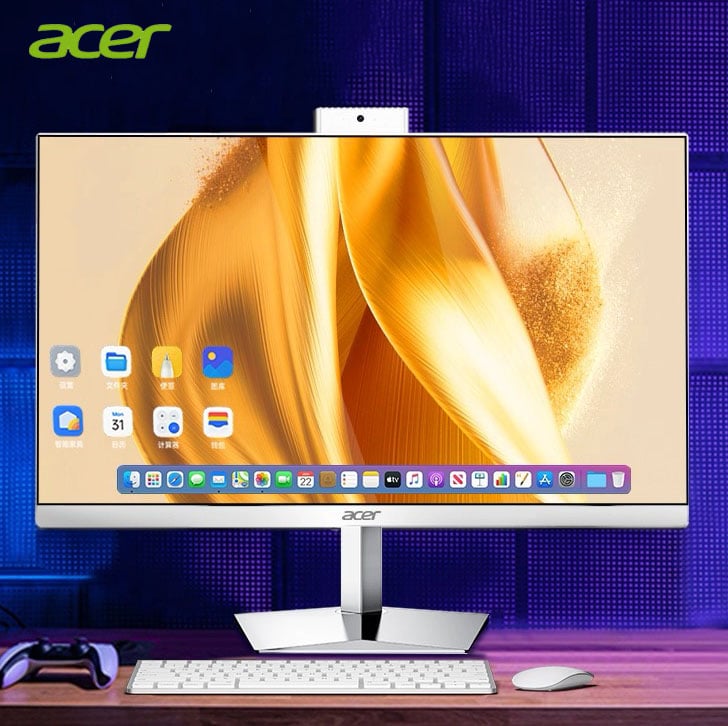
The modern workplace is evolving rapidly, and the hardware that powers it must evolve just as fast. A mini PC computer has emerged as one of the most practical and versatile computing solutions available to businesses today. Whether deployed in open-plan offices, meeting rooms, retail environments, or remote workstations, the mini PC computer delivers reliable performance in a fraction of the physical footprint of a traditional desktop. Organizations looking to modernize their digital infrastructure are finding that the mini PC computer is not just a convenience but a strategic asset.
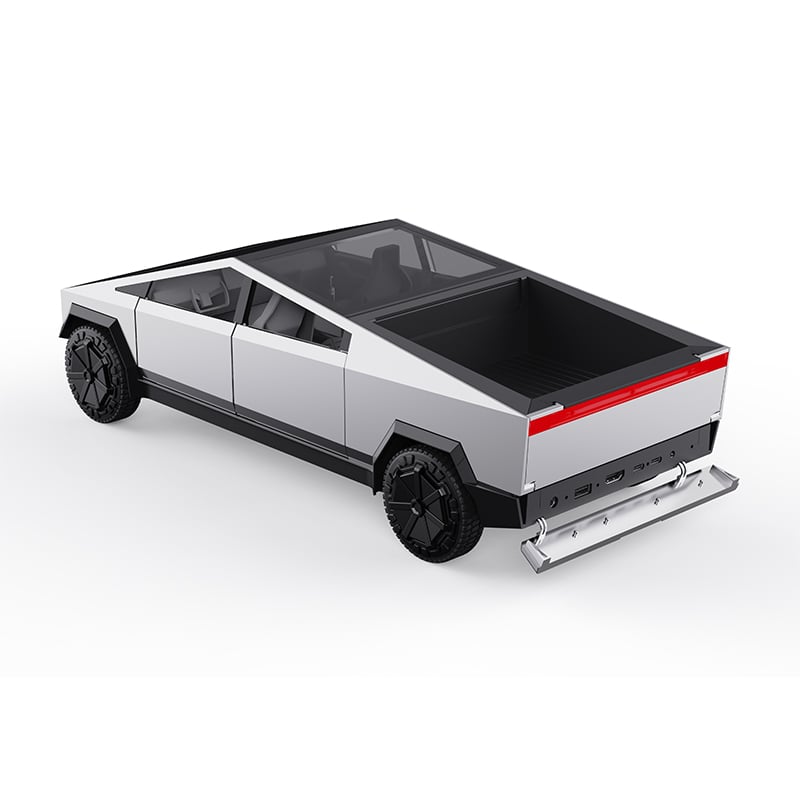
Understanding exactly how a mini PC computer supports modern digital workspaces requires looking at three key dimensions: physical design and deployment flexibility, computing performance relative to business workloads, and long-term operational efficiency. Each dimension reveals why the mini PC computer continues to gain traction across industries that demand agile, scalable, and cost-effective computing solutions. This article examines each dimension in detail so decision-makers can assess whether the mini PC computer is the right fit for their workspace strategy.
Physical Design and Deployment Flexibility
Space Efficiency in Modern Work Environments
One of the most immediately obvious advantages of a mini PC computer is its compact form factor. A standard mini PC computer occupies a fraction of the desk space that a traditional tower or mid-range desktop requires. In densely arranged offices where workspace real estate is at a premium, a mini PC computer can be mounted directly behind a monitor using a VESA bracket, freeing the entire desk surface for productive use. This spatial efficiency makes the mini PC computer especially appealing in environments such as call centers, trading floors, and collaborative coworking spaces.
The mini PC computer also supports cleaner cable management, which reduces visual clutter and improves air circulation around workstations. Businesses that manage large numbers of employee workstations often find that deploying a mini PC computer significantly simplifies their hardware layout. The result is a tidier, more professional-looking workspace that also reduces the time technicians spend managing physical infrastructure.
Multi-Environment Deployment Scenarios
A mini PC computer is not limited to fixed desk installations. Its lightweight and compact profile make it easy to relocate between rooms, floors, or sites. Businesses that operate multiple branch locations can standardize on a single mini PC computer model and deploy it across all sites without the logistics challenges associated with larger hardware. Digital signage networks, point-of-sale systems, and smart conference room setups all benefit from a mini PC computer due to its discreet size and ease of integration with screens and peripherals.
Computing Performance for Business Workloads
Processing Power Aligned With Everyday Tasks
A common concern about the mini PC computer is whether it can keep pace with demanding business applications. Modern mini PC computer models are equipped with capable multi-core processors, sufficient RAM configurations, and fast solid-state storage that handle everyday business tasks with ease. Web browsing, document editing, video conferencing, cloud application access, and data entry are all tasks that a well-specified mini PC computer manages without performance bottlenecks. For most knowledge workers, a mini PC computer delivers everything they need from a daily computing device.
Businesses running enterprise resource planning software, customer relationship management platforms, or productivity suites in cloud environments will find that a mini PC computer performs reliably as a thin or hybrid client. Since much of the processing workload in cloud-centric organizations is handled server-side, the mini PC computer only needs to support local rendering, input processing, and network communication, tasks well within its capabilities.
Connectivity and Peripheral Support
Modern mini PC computer units come equipped with a robust set of connectivity options including multiple USB ports, HDMI and DisplayPort outputs, Wi-Fi, Bluetooth, and Gigabit Ethernet. This connectivity range means a mini PC computer integrates naturally with monitors, keyboards, mice, headsets, docking stations, and external storage devices. For businesses running dual-monitor setups or digital display configurations, a mini PC computer can typically support two or more screens simultaneously, enhancing multitasking and workflow efficiency without requiring a bulkier machine.
Operational Efficiency and Long-Term Value
Energy Consumption and Cost Management
One of the strongest operational arguments for the mini PC computer is its low power consumption. A typical mini PC computer draws significantly less electricity than a conventional desktop tower, often consuming between 10 and 35 watts under normal operating conditions compared to 150 watts or more for a standard desktop. Across a fleet of hundreds of workstations, this difference translates into measurable reductions in energy bills. Businesses with sustainability goals also benefit from deploying a mini PC computer, as lower power usage contributes directly to a reduced carbon footprint.
The mini PC computer also generates less heat, which lowers cooling costs in climate-controlled environments. IT managers responsible for data center and office energy budgets increasingly view the mini PC computer as a financially sound hardware choice, especially when total cost of ownership over a three-to-five-year deployment cycle is calculated accurately.
Maintenance, Scalability, and IT Management
From an IT management perspective, the mini PC computer simplifies both deployment and ongoing maintenance. Many mini PC computer models support remote management protocols, allowing IT teams to push updates, monitor system health, and troubleshoot issues without physical access to each device. This capability is especially valuable in distributed workspace environments where staff may be located across multiple buildings or cities. When a mini PC computer needs replacement or upgrade, the compact form factor means swapping hardware is faster and less disruptive than replacing a full-size desktop.
Scalability is another practical benefit of standardizing on a mini PC computer platform. As a business grows and new workstations are needed, ordering and deploying additional mini PC computer units is straightforward. The uniformity of hardware reduces compatibility issues and simplifies the IT team's support burden over time.
FAQ
Is a mini PC computer suitable for running professional software applications?
Yes, a mini PC computer with adequate RAM and a capable processor handles most professional business software without difficulty. Applications such as office productivity suites, CRM platforms, accounting tools, and video conferencing software run reliably on a properly configured mini PC computer. For graphically intensive or computationally heavy software, businesses should select a mini PC computer with higher-specification components to match the workload requirements.
How does a mini PC computer compare in lifespan to a traditional desktop?
A well-maintained mini PC computer typically offers a comparable operational lifespan to a traditional desktop, generally three to five years for business use. Because a mini PC computer uses solid-state storage and generates less heat than larger machines, it may actually experience fewer hardware failures related to thermal stress over time. Regular software updates and proper ventilation around the mini PC computer help maximize its useful life in a production environment.
Can a mini PC computer support a dual-monitor workspace setup?
Most modern mini PC computer models support dual-monitor configurations through HDMI and DisplayPort outputs. This makes the mini PC computer a practical choice for professionals who rely on extended screen space for multitasking, data analysis, or content review. Before purchasing a mini PC computer for a dual-display setup, it is advisable to confirm the specific output specifications of the chosen model to ensure full compatibility with existing monitors and display hardware.