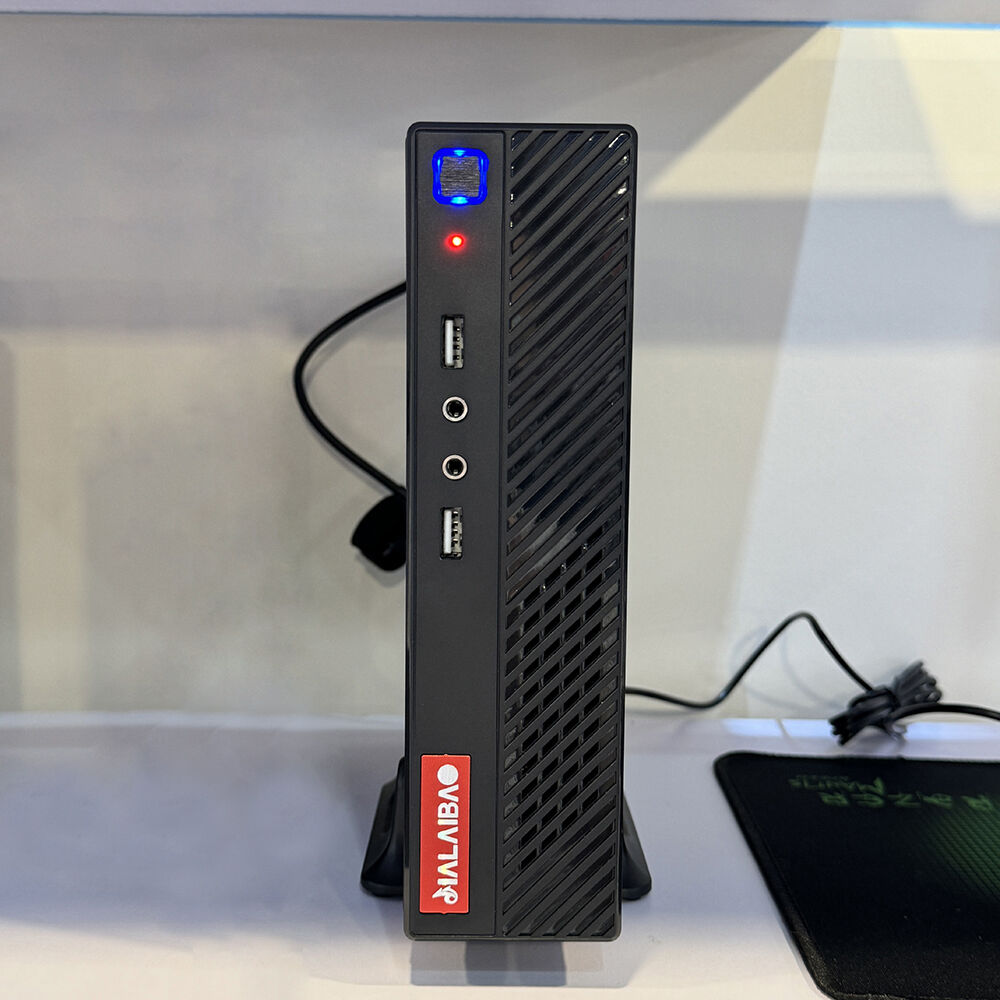
مزایای رایانههای کلاینت نازک
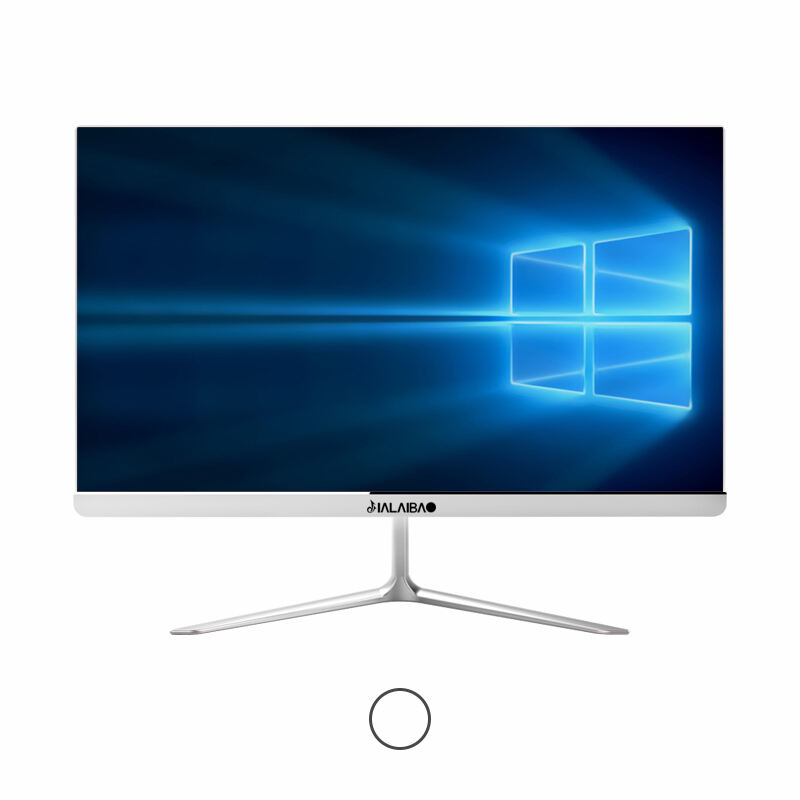
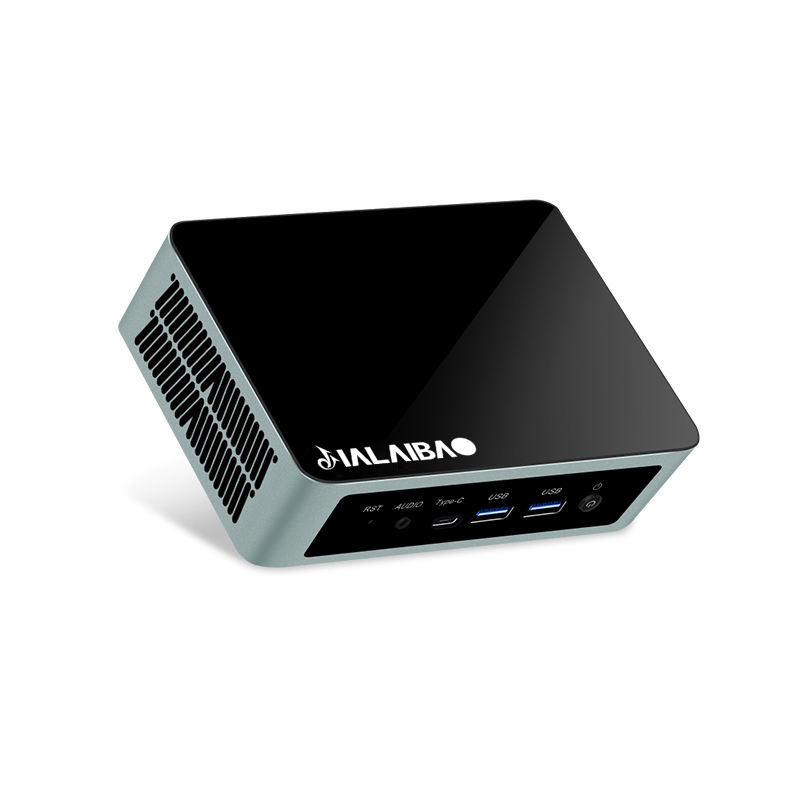
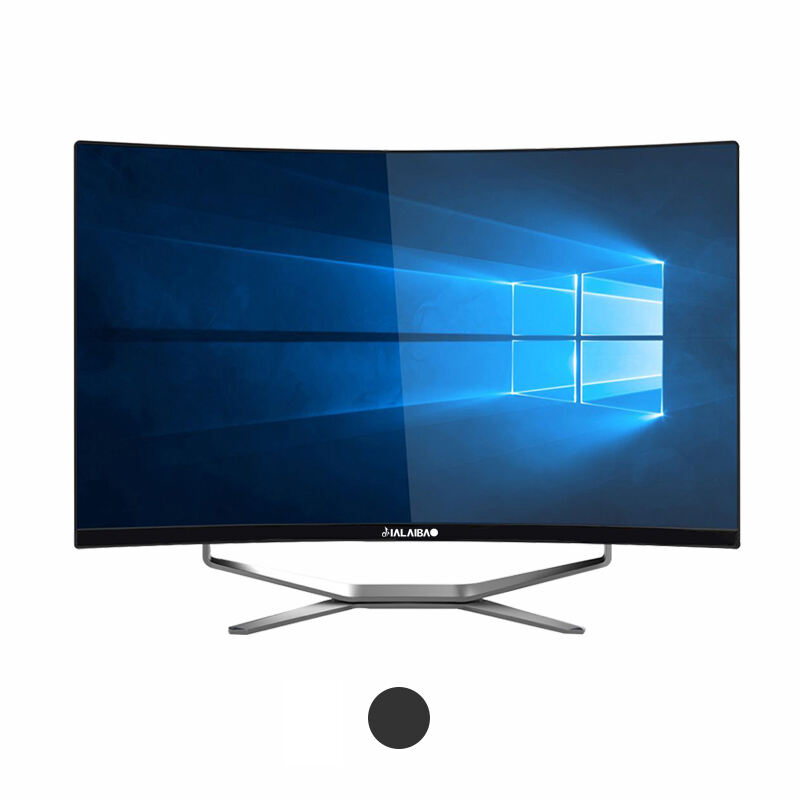
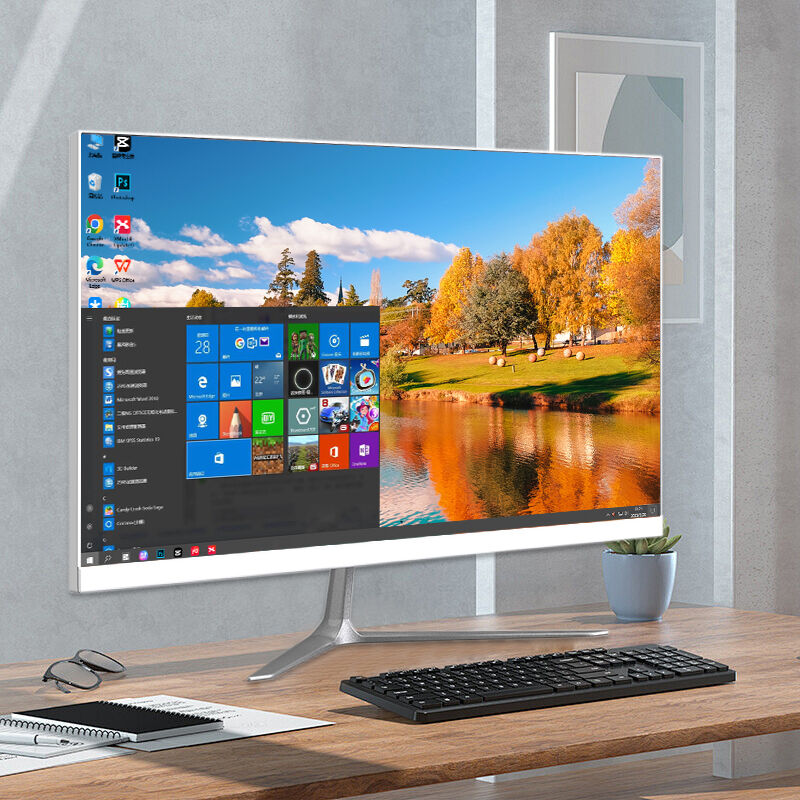
رایانههای کلاینت نازک، رویکردی انقلابی در معماری رایانش مدرن هستند که ارزش استثنایی را از طریق پردازش متمرکز و عملیات سبکوزن فراهم میکنند. این دستگاههای تخصصی بهعنوان نقطههای پایانی سبکوزن عمل میکنند که به زیرساخت قدرتمند سرورها متصل میشوند و اکوسیستمی کارآمد از رایانش ایجاد مینمایند. مزایای رایانههای کلاینت نازک از فلسفه طراحی بنیادی آنها ناشی میشود؛ یعنی جابجایی قدرت پردازشی از ایستگاههای کاری فردی به مراکز داده متمرکز. این تغییر معماری، نحوه مدیریت زیرساخت فناوری اطلاعات سازمانها را دگرگون میکند و در عین حال به کاربران دسترسی قابل اعتماد به برنامهها و دادهها را فراهم میسازد. رایانههای کلاینت نازک با برقراری ارتباطات امن با سرورهای دور اجرا میشوند که در آنجا فرآیندهای واقعی رایانشی انجام میگیرند. کاربران از طریق دستگاه کلاینت نازک خود با برنامهها تعامل دارند، اما بار سنگین پردازشی در سرورهای پشتیبان انجام میشود که دارای قابلیتهای پردازشی قوی هستند. این مدل رایانش توزیعشده، امکان استفاده کارآمدتر سازمانها از منابع سختافزاری قدرتمند را فراهم میکند و در عین حال تجربه کاربری یکسانی را در ایستگاههای کاری متعدد حفظ مینماید. ویژگیهای فنی رایانههای کلاینت نازک شامل حافظه ذخیرهسازی محلی بسیار کم، مصرف انرژی کاهشیافته و سیستمعاملهای سادهشدهای است که بهطور خاص برای اتصال شبکه بهینهسازی شدهاند. این دستگاهها معمولاً از فرمور یا سیستمعاملهای سبکوزن تخصصی اجرا میشوند که صرفاً بر برقراری و حفظ ارتباط با زیرساخت سرورها تمرکز دارند. عدم وجود اجزای پیچیده پردازشی محلی به معنای کاهش تعداد قطعات مکانیکی است و این امر منجر به افزایش قابلیت اطمینان و کاهش نیاز به نگهداری میشود. رایانههای کلاینت نازک مدرن از پروتکلهای مختلف اتصال از جمله پروتکل ریموت دسکتاپ (RDP)، محاسبات شبکه مجازی (VNC) و فناوریهای مجازیسازی اختصاصی پشتیبانی میکنند. این انعطافپذیری امکان ادغام با محیطهای سروری و پلتفرمهای مجازیسازی متنوع را فراهم میکند. ویژگیهای امنیتی در هسته معماری این سیستمها ادغام شدهاند و ارتباطات رمزگذاریشده و مکانیزمهای احراز هویت متمرکز، دادههای حساس را محافظت میکنند. کاربردهای رایانههای کلاینت نازک در صنایع و موارد استفاده متعددی گسترده است. مؤسسات آموزشی این دستگاهها را در آزمایشگاهها و کلاسهای درس بهکار میبرند تا دسترسی یکسان دانشآموزان به برنامههای آموزشی را فراهم کنند و در عین حال مدیریت فناوری اطلاعات را سادهتر سازند. سازمانهای بهداشتی و درمانی از رایانههای کلاینت نازک برای دسترسی به پروندههای الکترونیکی سلامت و برنامههای پزشکی استفاده میکنند و در عین حال از رعایت دقیق مقررات حریم خصوصی اطمینان حاصل میکنند. شرکتهای خدمات مالی از این سیستمها برای پردازش امن تراکنشها و انجام عملیات خدمات مشتریان بهره میبرند. واحدهای تولیدی از راهحلهای کلاینت نازک برای نظارت بر تولید و سیستمهای کنترل کیفیت استفاده میکنند. نهادهای دولتی این فناوری را برای ارائه خدمات مقرونبهصرفه به شهروندان و انجام وظایف اداری بهکار میبرند. مقیاسپذیری رایانههای کلاینت نازک آنها را بهویژه برای سازمانهایی که با رشد یا نوسانات فصلی در نیازهای رایانشی مواجه هستند، جذاب میسازد.
 EN
EN
 AR
AR
 BG
BG
 HR
HR
 CS
CS
 DA
DA
 NL
NL
 FR
FR
 DE
DE
 EL
EL
 HI
HI
 IT
IT
 JA
JA
 KO
KO
 NO
NO
 PL
PL
 PT
PT
 RO
RO
 RU
RU
 ES
ES
 SV
SV
 TL
TL
 IW
IW
 ID
ID
 SR
SR
 SK
SK
 VI
VI
 HU
HU
 TH
TH
 TR
TR
 FA
FA
 AF
AF
 MS
MS
 SW
SW
 UR
UR
 BN
BN
 HA
HA
 KM
KM
 MN
MN
 UZ
UZ