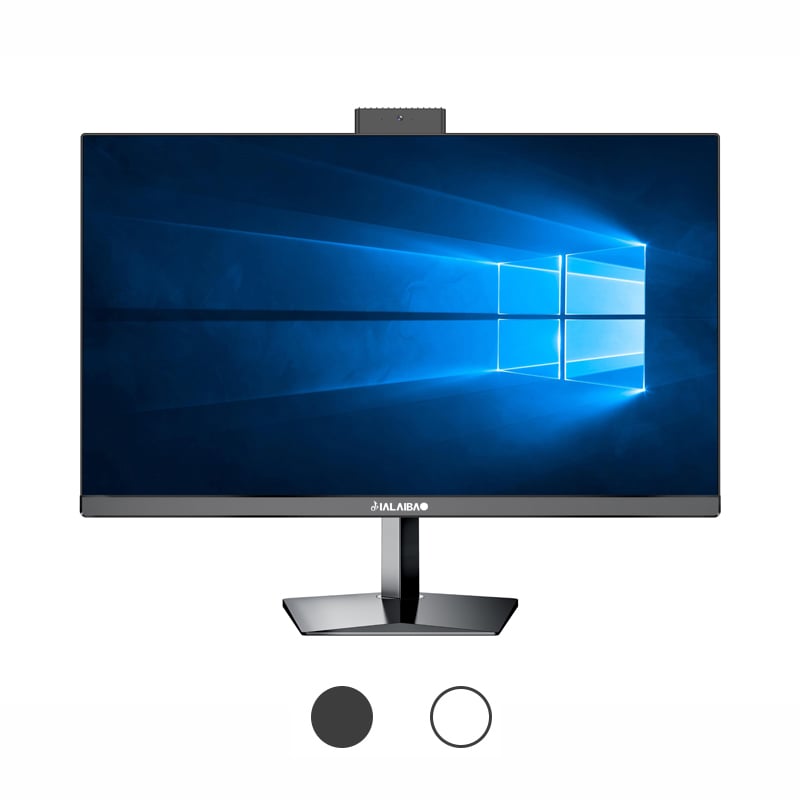
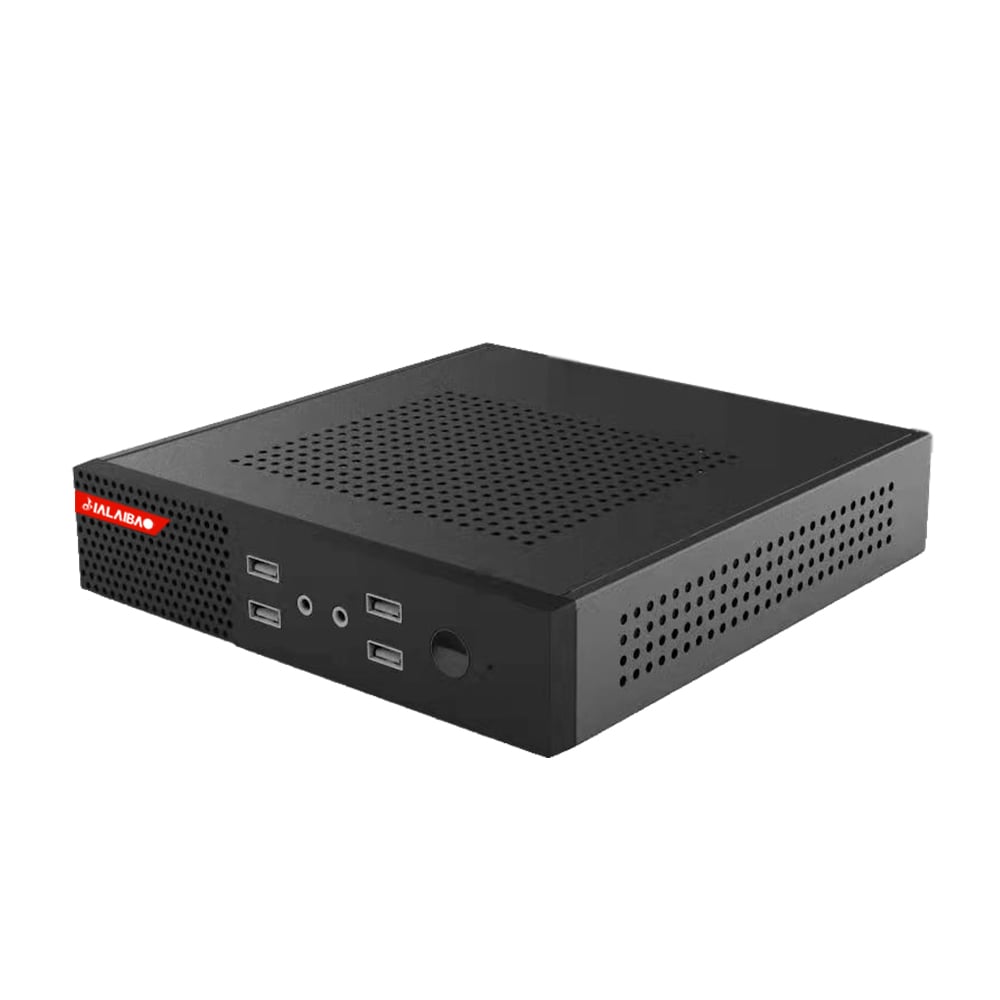
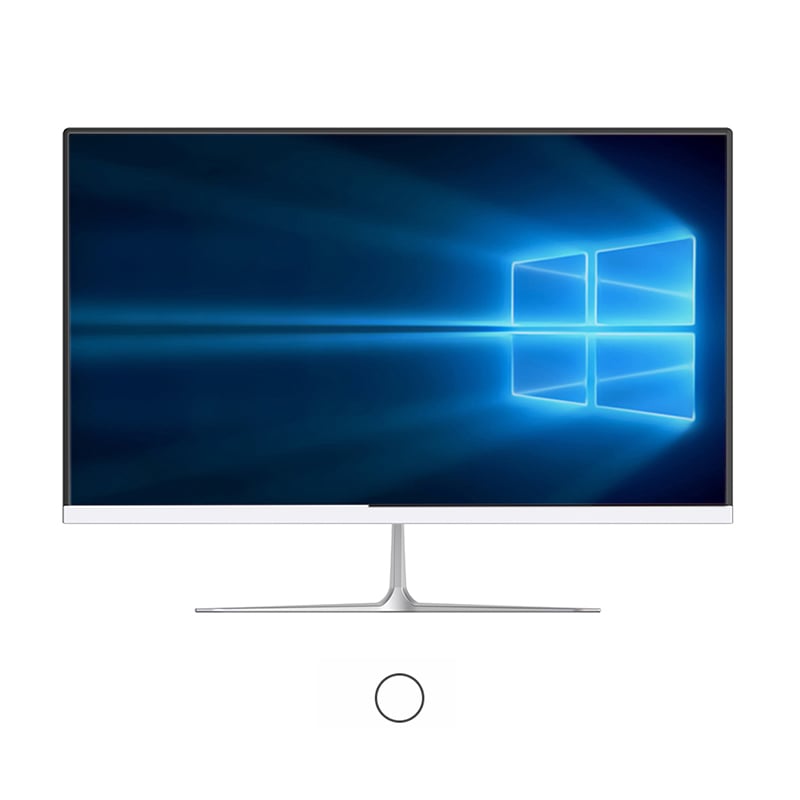
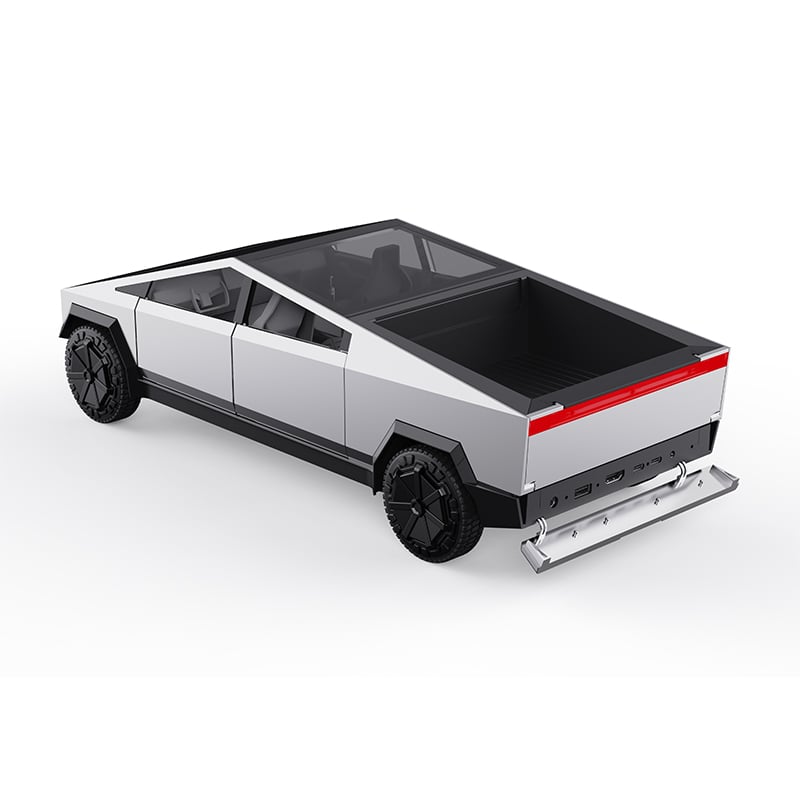
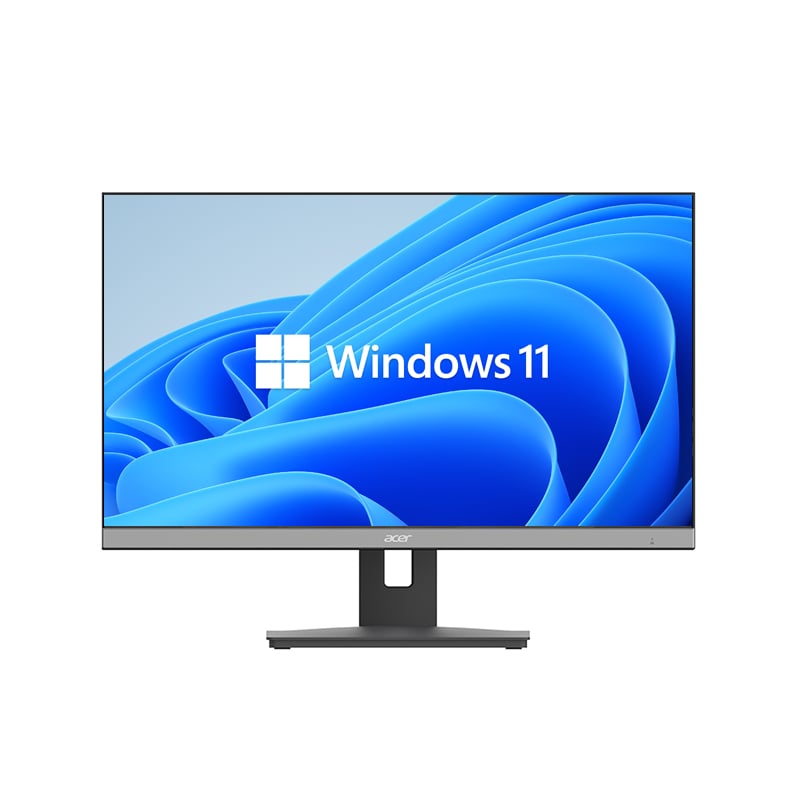
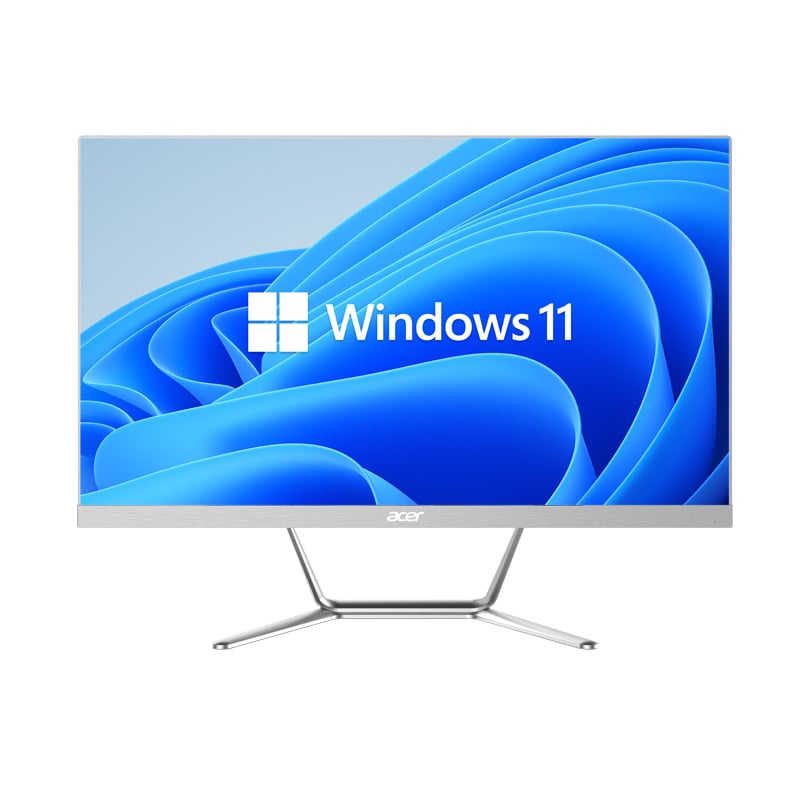
Modern office environments face a persistent challenge: managing multiple hardware devices without overwhelming limited desk space. An all-in-one desktop computer solves this problem by integrating the monitor, processor, storage, and connectivity into a single unified device. Rather than juggling a separate tower, external monitor, and tangled cables, professionals can deploy an all-in-one desktop computer that occupies minimal physical footprint while delivering full computing power. This shift toward consolidated hardware directly addresses workplace clutter, improves cable management, and creates a more organized, visually appealing workspace.
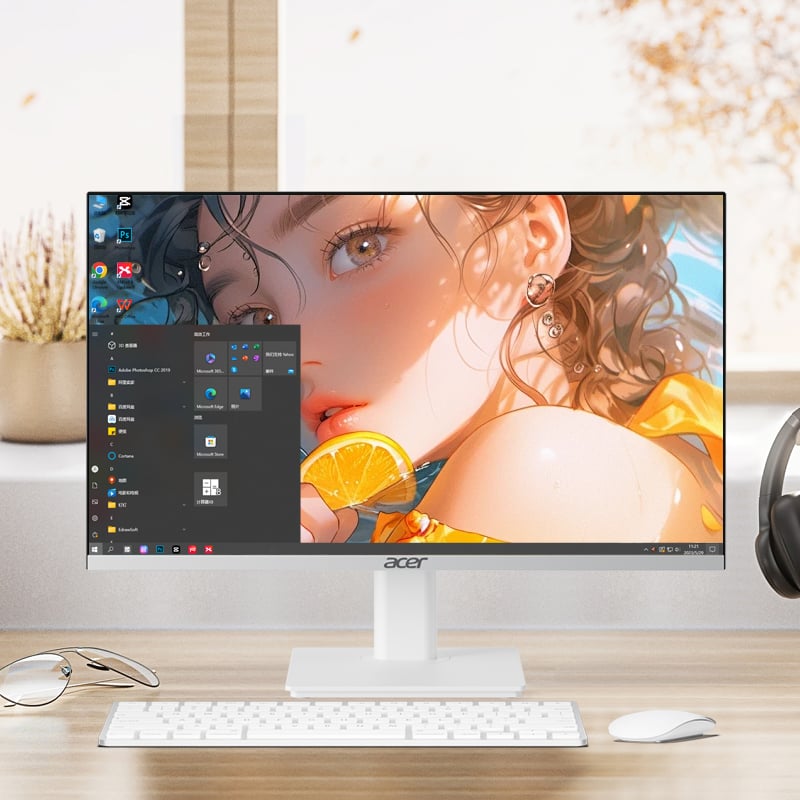
The reduction of office hardware clutter extends beyond aesthetics into operational efficiency. When you choose an all-in-one desktop computer, you eliminate the need for cable management systems, additional monitor stands, and separate CPU housings. This consolidation frees up valuable desk real estate, improves air circulation around equipment, reduces energy consumption, and simplifies IT maintenance routines. For small offices, shared workspaces, and home-based professionals, an all-in-one desktop computer becomes an essential tool for maintaining a clean, productive environment.
Traditional office configurations require separate components: a CPU tower, an external display, a keyboard, a mouse, and often multiple peripheral devices. An all-in-one desktop computer consolidates these elements into one compact unit, dramatically reducing the physical footprint required on your desk. The monitor and processing unit are merged into a single frame, removing the need for additional monitor stands or wall mounts. This unified design means less desk space is consumed, fewer cables trail across your workspace, and your work surface becomes instantly more organized without sacrificing computing capability.
For professionals working in compact offices, shared desks, or collaborative spaces, an all-in-one desktop computer is a game-changer. By replacing a tower-and-monitor setup with a single streamlined device, you reclaim precious desk area for documents, supplies, or creative projects. An all-in-one desktop computer stands vertically or tilts on an articulating arm, allowing you to optimize sightlines and positioning. This spatial advantage translates into better organization, reduced visual stress, and the psychological benefit of a cleaner workspace. Many teams find that switching to an all-in-one desktop computer per workstation allows them to accommodate more employees in the same physical space without sacrificing comfort or functionality.
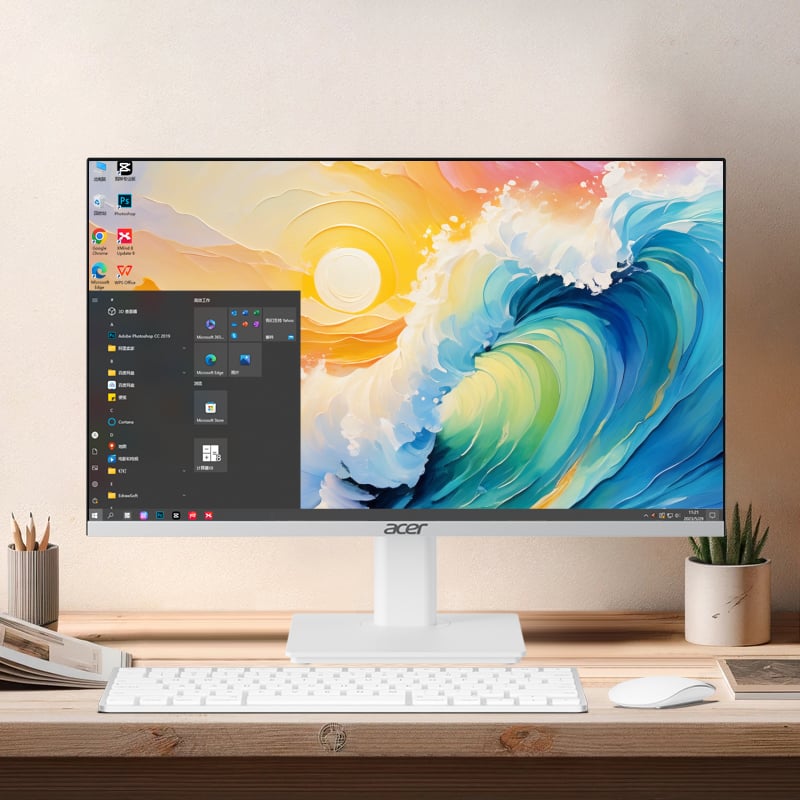
One of the most immediate benefits of an all-in-one desktop computer is the dramatic reduction in cable clutter. Instead of managing separate power cords for a CPU tower, monitor, external speakers, and peripherals, an all-in-one desktop computer typically requires only one main power connection and minimal additional cables for USB devices or external displays. The built-in monitor eliminates the display cable entirely, and integrated speakers remove the need for external audio equipment. This simplification reduces cable tangling, lowers the risk of accidentally disconnected devices, and makes troubleshooting faster. When you deploy an all-in-one desktop computer across your office, you'll notice fewer cable management systems are needed, making spaces appear cleaner and more professional.
Beyond organization, an all-in-one desktop computer improves workplace safety and aesthetics. Fewer cables mean fewer trip hazards, reduced clutter behind desks, and better compliance with office safety standards. Visitors and clients see a more professional environment when they encounter workstations powered by an all-in-one desktop computer rather than traditional tower-based setups surrounded by cable bundles. The integrated design also reduces dust accumulation around equipment, lowering maintenance requirements and extending hardware lifespan. For offices that prioritize brand image and employee well-being, investing in an all-in-one desktop computer demonstrates a commitment to thoughtful workspace design.
IT departments benefit significantly when organizations standardize on an all-in-one desktop computer platform. Since each unit is self-contained, software updates, security patches, and system diagnostics are easier to execute across the entire fleet. An all-in-one desktop computer requires less troubleshooting related to cable connections or peripheral compatibility issues, reducing support tickets and downtime. Technicians can quickly identify and replace an all-in-one desktop computer if failure occurs, versus spending time diagnosing which component failed in a traditional multi-piece setup. This efficiency improvement directly translates into lower IT operational costs and higher employee productivity since fewer technical interruptions occur.
An all-in-one desktop computer consumes less energy than traditional tower-and-monitor combinations because it eliminates redundant power supplies and cooling systems. Since all components share a single chassis, there is no wasted energy from separate devices idling independently. Over time, switching your office to an all-in-one desktop computer reduces utility costs and lowers your organization's carbon footprint. Many modern all-in-one desktop computer models include energy-saving features like adaptive brightness, sleep modes, and efficient processors designed for office productivity tasks. When multiplied across dozens or hundreds of workstations, the cumulative savings from running an all-in-one desktop computer are substantial and contribute to both environmental and financial goals.
As organizations embrace remote and hybrid work arrangements, an all-in-one desktop computer offers flexibility that traditional setups cannot match. The compact form factor makes an all-in-one desktop computer ideal for shared hot-desking environments where multiple employees rotate through workstations throughout the week. Since an all-in-one desktop computer occupies minimal space, offices can equip more desks within the same footprint, supporting flexible work schedules without requiring proportional real estate expansion. Additionally, some models of all-in-one desktop computer can be equipped with enhanced mobility features, allowing them to transition between office locations or integrate with collaborative spaces designed for modern work.
Organizations considering long-term workplace strategy should recognize that an all-in-one desktop computer aligns with current trends toward minimalism, sustainability, and efficient resource use. As office design increasingly prioritizes openness, collaboration, and flexible arrangements, an all-in-one desktop computer fits naturally into these environments. The all-in-one desktop computer represents a forward-thinking investment that reduces complexity, improves aesthetics, and supports evolving work patterns. Whether your organization is downsizing physical offices, expanding remote capabilities, or redesigning spaces for collaboration, an all-in-one desktop computer provides a reliable foundation that adapts to changing workplace needs.
An all-in-one desktop computer offers substantial space savings by combining the monitor and processing unit into one device, dramatically reducing desk clutter and cable management needs. The integrated design consumes less energy, requires fewer power outlets, and simplifies IT maintenance since everything is contained in a single unit. Additionally, an all-in-one desktop computer provides a more professional appearance, reduces safety hazards from excess cables, and allows IT teams to manage updates and troubleshooting more efficiently across the entire fleet.
Yes, an all-in-one desktop computer is ideal for compact offices, shared workspaces, and hot-desking environments. The unified design means an all-in-one desktop computer occupies roughly half the footprint of a traditional tower-and-monitor setup, freeing up space for documents, supplies, or collaborative tools. For organizations operating in expensive urban markets or managing multiple employees in shared spaces, switching to an all-in-one desktop computer allows them to accommodate more workstations without expanding the physical office or sacrificing employee comfort and productivity.
An all-in-one desktop computer reduces IT support costs by simplifying hardware management, minimizing cable-related issues, and consolidating components into a single unit. Software updates and security patches can be deployed more efficiently across an all-in-one desktop computer fleet, reducing troubleshooting time and employee downtime. The integrated design also reduces dust accumulation and cooling issues, extending hardware lifespan and lowering replacement frequency. Over time, these operational efficiencies make an all-in-one desktop computer a more cost-effective choice for organizations managing multiple workstations.
 EN
EN
 AR
AR
 BG
BG
 HR
HR
 CS
CS
 DA
DA
 NL
NL
 FR
FR
 DE
DE
 EL
EL
 HI
HI
 IT
IT
 JA
JA
 KO
KO
 NO
NO
 PL
PL
 PT
PT
 RO
RO
 RU
RU
 ES
ES
 SV
SV
 TL
TL
 IW
IW
 ID
ID
 SR
SR
 SK
SK
 VI
VI
 HU
HU
 TH
TH
 TR
TR
 FA
FA
 AF
AF
 MS
MS
 SW
SW
 UR
UR
 BN
BN
 HA
HA
 KM
KM
 MN
MN
 UZ
UZ