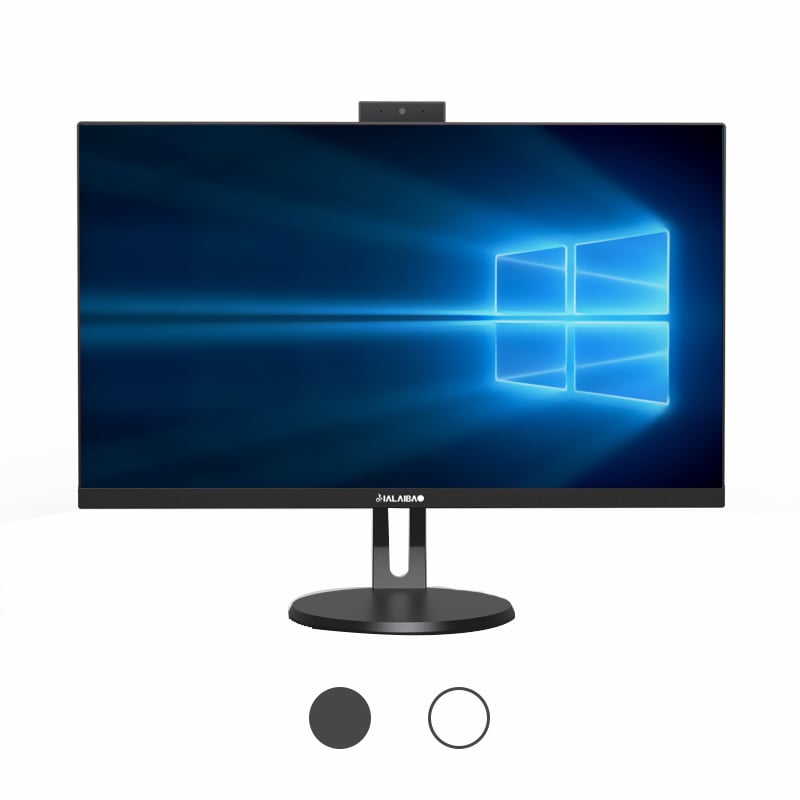
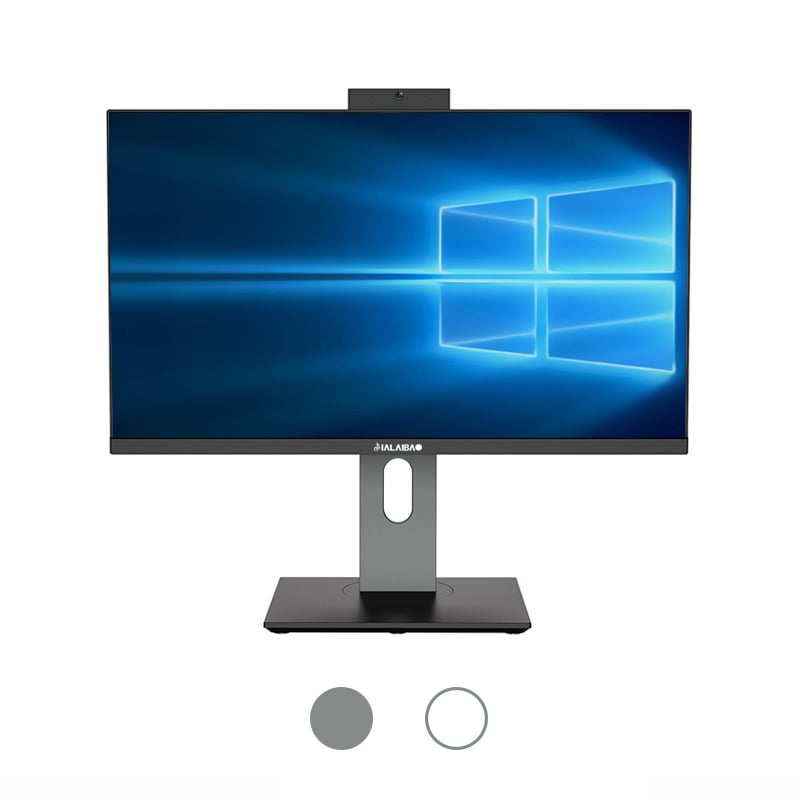
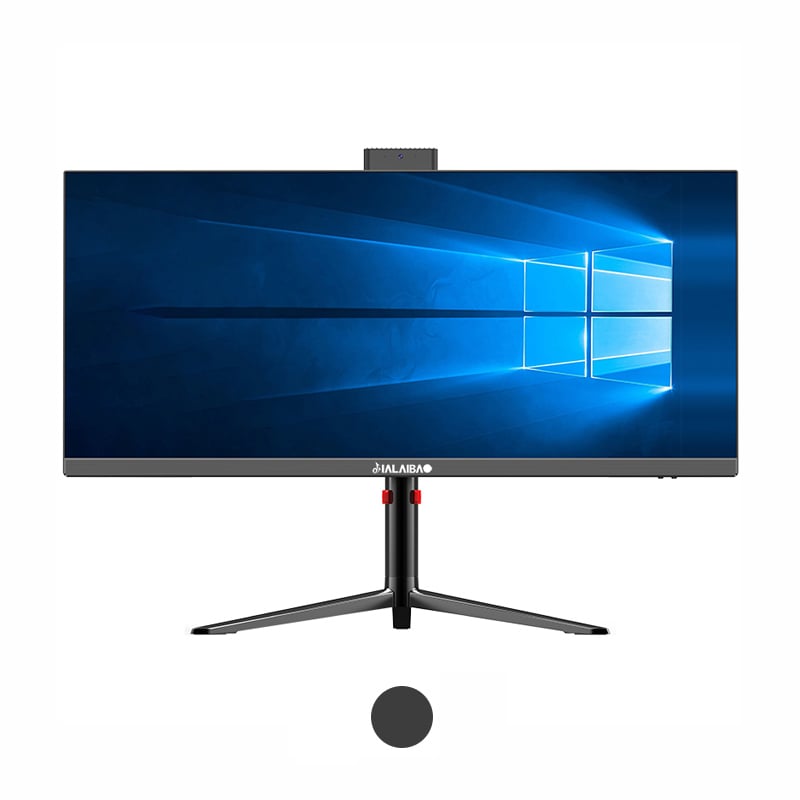
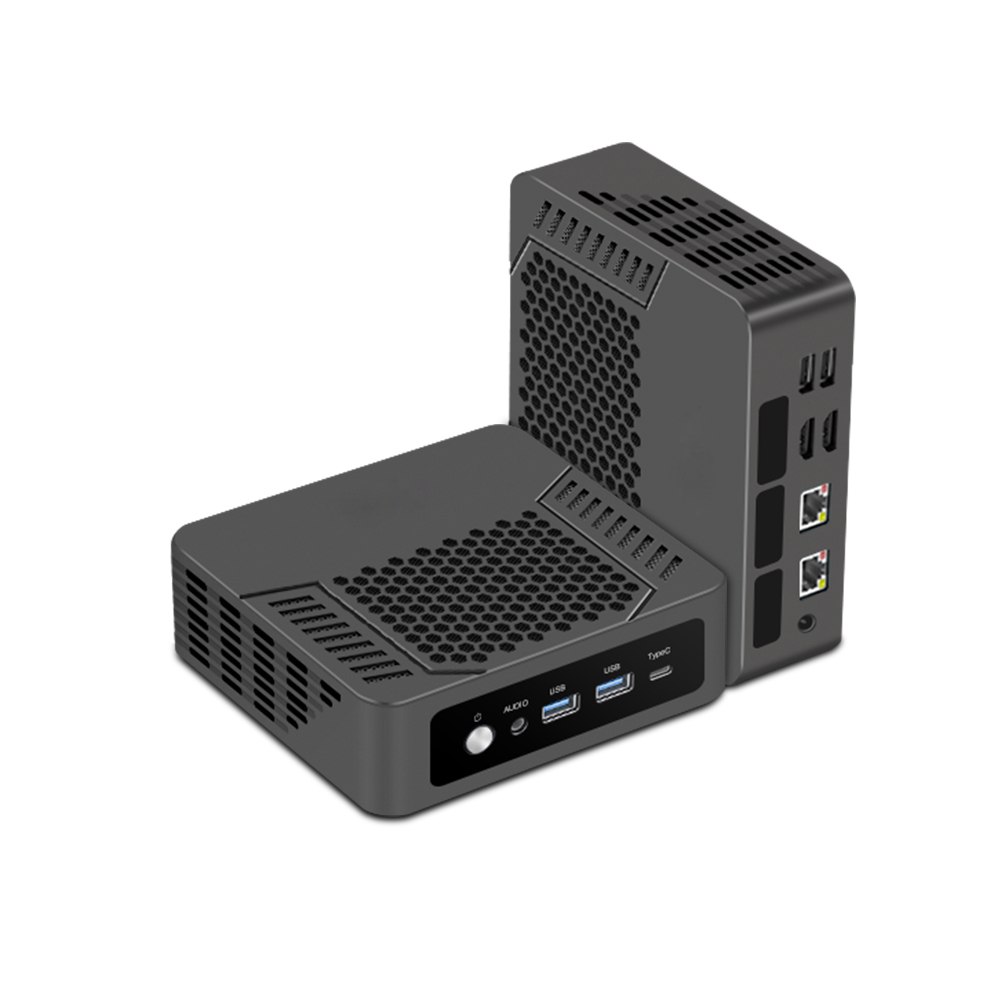
Modern businesses face mounting pressure to optimize operational efficiency while managing physical space constraints and capital expenditures. The adoption of compact pc systems has emerged as a strategic solution across industries, fundamentally changing how organizations approach digital display infrastructure. A compact pc delivers complete computing power in a minimal footprint, enabling enterprises to deploy sophisticated display networks without requiring extensive IT infrastructure overhauls.
Organizations increasingly recognize that a compact pc represents far more than a downsized computer. This solution addresses genuine business challenges: space scarcity, power consumption costs, thermal management complexities, and the need for reliable, always-on computing platforms. The compact pc market has evolved substantially, driven by genuine demand from retail networks, hospitality venues, transportation hubs, and corporate environments seeking efficient display management.
Retail environments, airport terminals, and restaurant locations often feature spatial limitations that prohibit standard desktop computers or server arrangements. A compact pc solves this challenge by consolidating processing capabilities into units measuring just centimeters in dimensions. This form factor allows businesses to mount computing devices directly behind displays, within wall cavities, or on shelving units without occupying valuable floor or counter space.
The installation flexibility of a compact pc extends deployment possibilities significantly. Display networks that previously required dedicated server rooms or equipment closets can now operate from minimal dedicated infrastructure. A compact pc mounts discretely, reducing visual clutter and improving facility aesthetics while maintaining full operational capability. This space optimization directly impacts real estate costs, particularly in high-density commercial environments where every square foot carries substantial financial weight.
Traditional computing setups generate extensive cabling complexity, requiring specialized management systems and professional installation expertise. A compact pc minimizes this infrastructure burden by integrating power and connectivity requirements into single, organized pathways. Businesses deploying a compact pc experience reduced installation timeframes, lower integration costs, and simplified maintenance access compared to conventional computing architectures.
The streamlined nature of a compact pc installation also reduces failure points in display networks. Fewer cables mean fewer connection failures, simpler troubleshooting procedures, and faster system restoration when issues arise. Organizations managing networks of twenty or fifty or hundreds of digital displays recognize that a compact pc deployment strategy fundamentally simplifies their operational complexity and support requirements.
Initial hardware investment represents a critical budget consideration for enterprises expanding digital display networks. A compact pc typically costs substantially less than conventional workstations or display controllers, enabling organizations to deploy broader networks within fixed capital budgets. This cost advantage becomes increasingly significant as businesses scale display infrastructure across multiple locations, departments, or customer-facing environments.
Beyond acquisition costs, operating expenses associated with a compact pc deployment deliver measurable financial benefits. These systems consume significantly less electrical power than traditional computers, reducing utility bills and environmental impact simultaneously. A compact pc operates efficiently across extended hours, supporting continuous digital display operations without excess heat generation or cooling requirements. Organizations tracking total cost of ownership consistently observe that a compact pc solution delivers superior financial performance compared to alternatives.
Environmental sustainability has become a central business priority for many enterprises managing corporate responsibility commitments. A compact pc inherently supports these objectives by minimizing power consumption across display network operations. The reduced electrical demand of a compact pc translates directly into lower carbon footprint metrics, supporting corporate environmental targets and regulatory compliance obligations.
Sustainable deployment of a compact pc also aligns with modern consumer expectations and stakeholder preferences. Customers, employees, and investors increasingly evaluate corporate environmental commitment, and display network efficiency contributes meaningfully to these perceptions. Organizations deploying a compact pc can communicate concrete energy efficiency improvements, demonstrating measurable progress toward sustainability objectives.
Digital display networks represent critical business infrastructure requiring consistent, dependable performance. A compact pc engineering approach prioritizes reliability through solid-state architectures, minimal moving components, and thermal management systems designed for extended operational life. This robust design philosophy enables a compact pc to perform reliably across challenging environments including retail floors with temperature fluctuations, industrial facilities with vibration exposure, and outdoor installations with weather considerations.
The durability of a compact pc translates into reduced maintenance interventions and lower total operational expenses. Organizations deploying display networks cannot tolerate frequent downtime or performance degradation affecting customer-facing systems or internal communications. A compact pc provides the dependability required for mission-critical display applications, enabling businesses to maintain consistent brand messaging and operational information dissemination.
Business requirements evolve continuously, and digital display infrastructure must accommodate changing organizational needs without complete replacement cycles. A compact pc platform typically supports flexible software deployment, allowing organizations to modify display content, update management systems, and adapt functionality as strategic priorities shift. This architectural flexibility enables businesses to extend investments in existing compact pc deployments rather than pursuing wholesale infrastructure replacement.
Modern businesses also require integration with emerging technologies including artificial intelligence, real-time analytics, and cloud connectivity. A compact pc platform accommodates these advanced capabilities while maintaining the space and power efficiency characteristics that drove initial deployment decisions. Forward-thinking organizations recognize that a compact pc architecture supports long-term strategic flexibility and technological adaptation.
A compact pc handles content management, video playback, interactive applications, network connectivity, and system monitoring for digital display networks. Organizations deploy a compact pc to power retail promotional displays, wayfinding systems, menu boards, corporate communications networks, transportation information displays, and emergency notification systems. The processing capabilities of modern compact pc solutions easily accommodate these demanding applications while maintaining operational reliability and responsive performance.
A compact pc provides local processing and control that remains operational even if network connectivity temporarily fails, ensuring critical displays continue functioning. While cloud solutions offer centralized management advantages, a compact pc delivers redundancy and autonomous operation that many organizations require for mission-critical display infrastructure. Many enterprises deploy both approaches together, using a compact pc for local resilience while maintaining cloud connectivity for remote management and content updates.
A compact pc typically requires only basic electrical power, display connections, and network connectivity where applicable. Most organizations can install a compact pc within existing infrastructure with minimal preparation, often during scheduled maintenance windows. Professional installation services can streamline deployment across large display networks, but the fundamental simplicity of a compact pc integration makes implementation accessible for organizations of varying technical sophistication.

 EN
EN
 AR
AR
 BG
BG
 HR
HR
 CS
CS
 DA
DA
 NL
NL
 FR
FR
 DE
DE
 EL
EL
 HI
HI
 IT
IT
 JA
JA
 KO
KO
 NO
NO
 PL
PL
 PT
PT
 RO
RO
 RU
RU
 ES
ES
 SV
SV
 TL
TL
 IW
IW
 ID
ID
 SR
SR
 SK
SK
 VI
VI
 HU
HU
 TH
TH
 TR
TR
 FA
FA
 AF
AF
 MS
MS
 SW
SW
 UR
UR
 BN
BN
 HA
HA
 KM
KM
 MN
MN
 UZ
UZ