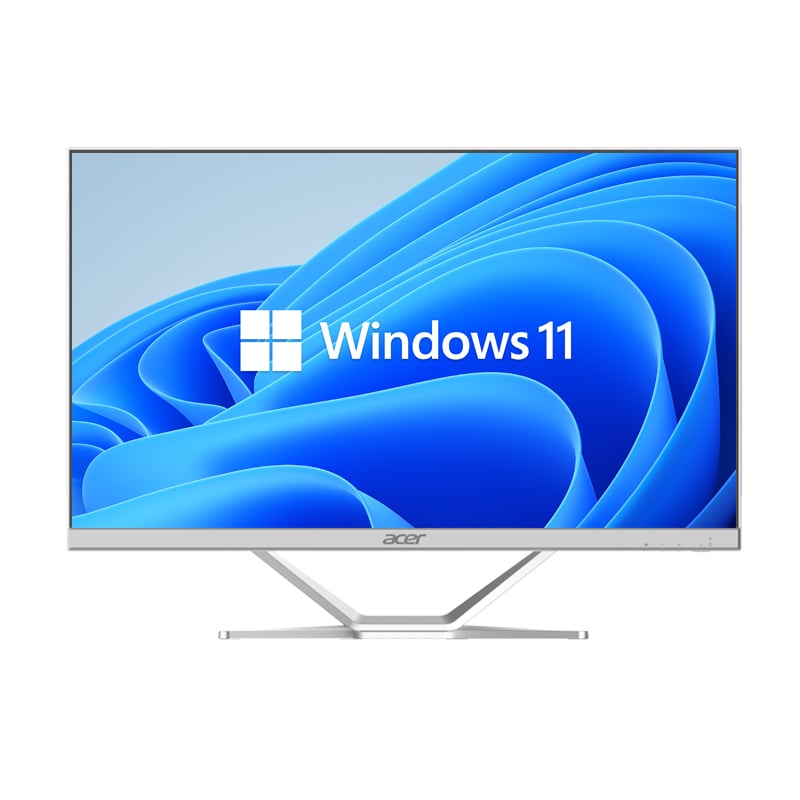
Modern businesses are constantly seeking ways to optimize their IT infrastructure while maintaining operational efficiency and reducing costs. The integration of compact computing solutions into established enterprise environments has become increasingly important as organizations strive for better space utilization, energy efficiency, and performance scalability. Mini PC integration represents a strategic approach that allows companies to enhance their computing capabilities without overhauling their entire technological framework. These small form factor devices offer remarkable flexibility in deployment scenarios, from edge computing applications to desktop virtualization initiatives. Understanding the principles and methodologies behind successful integration can significantly impact an organization's ability to adapt to evolving technological demands while preserving existing investments in hardware, software, and network infrastructure.
Before implementing mini PC integration, organizations must conduct a comprehensive assessment of their current network architecture to identify potential compatibility issues and optimization opportunities. Network bandwidth requirements, switch capacity, and VLAN configurations play crucial roles in determining how effectively mini PCs can be incorporated into existing systems. Legacy network equipment may require upgrades to support the additional endpoints, particularly when dealing with high-performance mini PCs that demand substantial data throughput. Enterprise-grade switches should be evaluated for their port density, Power over Ethernet capabilities, and management features to ensure seamless integration without compromising network performance.
Security protocols within the existing network infrastructure must be carefully reviewed to accommodate mini PC deployments while maintaining organizational security standards. Firewall configurations, intrusion detection systems, and network access control mechanisms need adjustment to properly identify and manage the new devices. Network segmentation strategies become particularly important when mini PCs are deployed in various locations throughout the organization, requiring careful planning of subnet allocations and routing policies. Quality of Service parameters should be configured to prioritize critical applications running on mini PCs, ensuring consistent performance across the entire network infrastructure.
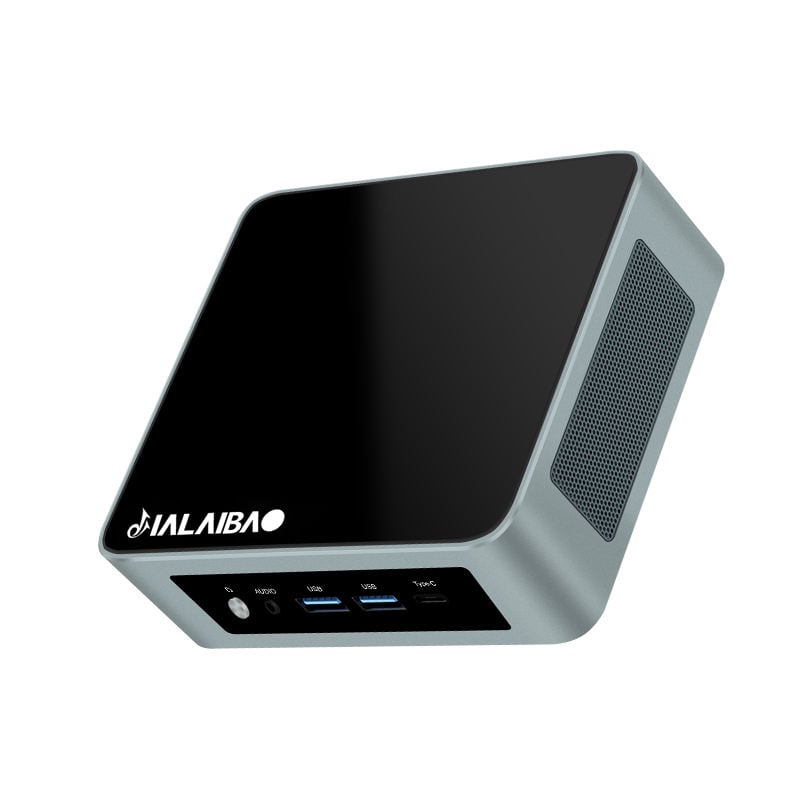
The physical deployment of mini PCs requires careful consideration of power distribution, cooling requirements, and mounting solutions within existing data centers and office environments. Unlike traditional desktop computers, mini PCs offer significant advantages in terms of power consumption and heat generation, but their integration still requires proper planning to maximize these benefits. Power distribution units and uninterruptible power supplies may need reconfiguration to accommodate the different power profiles of mini PC devices. Cable management solutions should be implemented to maintain organized installations while ensuring easy access for maintenance and upgrades.
Environmental monitoring systems within existing infrastructure should be updated to track the performance and health of integrated mini PCs effectively. Temperature and humidity sensors may require repositioning to account for new device placements, while existing cooling systems should be evaluated for their ability to maintain optimal operating conditions. The compact nature of mini PCs allows for creative mounting solutions that can maximize space utilization while maintaining proper ventilation and accessibility. Integration with existing rack systems, wall mounts, or desktop stands should be planned to ensure long-term reliability and ease of maintenance.
Successful mini PC integration requires careful planning of operating system deployment and management strategies that align with existing enterprise software policies. Organizations typically maintain standardized operating system images and software packages that must be adapted for mini PC hardware specifications and use cases. Automated deployment tools such as Microsoft System Center Configuration Manager or open-source alternatives like Foreman can streamline the installation process across multiple mini PC units. Image customization becomes crucial to ensure compatibility with specific hardware drivers and optimize performance for intended applications.
License management considerations play a significant role in software integration planning, particularly when dealing with enterprise software applications that may have specific licensing requirements for different hardware platforms. Organizations must evaluate their existing software licensing agreements to ensure compliance when deploying applications on mini PC hardware. Virtual desktop infrastructure solutions can provide additional flexibility by centralizing application delivery while leveraging the processing capabilities of integrated mini PCs. This approach allows for better resource utilization and simplified software management across diverse hardware platforms.
Enterprise security frameworks must be extended to encompass mini PC deployments through integration with existing security information and event management systems. Endpoint protection solutions require configuration updates to recognize and properly secure mini PC devices while maintaining consistent security policies across the organization. Identity and access management systems need modification to accommodate new device types and their associated user authentication requirements. Multi-factor authentication mechanisms should be evaluated for compatibility with mini PC form factors and deployment scenarios.
Monitoring and management tools within existing IT infrastructure must be configured to provide comprehensive visibility into mini PC performance, health, and security status. Integration with enterprise monitoring platforms allows IT administrators to maintain centralized oversight of all computing resources while identifying potential issues before they impact operations. Remote management capabilities become particularly important for mini PCs deployed in distributed locations, requiring robust integration with existing remote administration tools and procedures. Asset management systems should be updated to track mini PC hardware inventory, warranty information, and maintenance schedules alongside traditional computing equipment.
Effective mini PC integration involves strategic workload distribution that leverages the unique capabilities of these compact devices while complementing existing infrastructure resources. Load balancing algorithms must be configured to consider the processing characteristics and limitations of mini PCs when distributing computational tasks across hybrid infrastructure environments. Application profiling becomes essential to identify which workloads are best suited for mini PC deployment versus traditional server or desktop systems. Edge computing scenarios particularly benefit from intelligent workload placement that minimizes network latency while maximizing local processing capabilities.
Resource pooling strategies can enhance overall infrastructure efficiency by treating mini PCs as part of a larger computational fabric rather than isolated devices. Container orchestration platforms such as Kubernetes can facilitate dynamic resource allocation across mini PC clusters, enabling automatic scaling and failover capabilities. Virtual machine management systems require configuration updates to support mini PC hardware specifications while maintaining consistent resource allocation policies. Performance monitoring tools should be calibrated to account for the different baseline performance characteristics of mini PC hardware compared to traditional enterprise systems.
Storage integration represents a critical aspect of mini PC deployment within existing IT infrastructure, requiring careful consideration of local storage capabilities, network-attached storage access, and data synchronization requirements. Mini PCs typically feature limited local storage capacity compared to traditional workstations, necessitating strategic use of cloud storage services or network file systems for data management. Integration with existing storage area networks or network-attached storage systems ensures consistent data access policies while leveraging centralized backup and disaster recovery procedures.
Data caching strategies become particularly important for mini PC deployments in distributed environments where network connectivity may be limited or intermittent. Local caching mechanisms should be configured to store frequently accessed data while maintaining synchronization with central data repositories. Database integration scenarios require careful planning to ensure optimal performance when mini PCs access enterprise databases over network connections. Replication strategies may be necessary for critical data sets that require local availability on mini PC devices operating in remote or edge computing scenarios.
Long-term scalability planning ensures that mini PC integration efforts can accommodate future organizational growth and evolving technological requirements without requiring complete infrastructure redesigns. Capacity planning models must account for the different growth patterns associated with mini PC deployments compared to traditional computing infrastructure. Network infrastructure should be designed with sufficient headroom to support additional mini PC deployments while maintaining performance standards. Standardization of mini PC hardware specifications and deployment procedures facilitates easier expansion and reduces complexity in mixed-vendor environments.
Upgrade pathways for integrated mini PC systems require careful consideration to ensure compatibility with evolving enterprise software requirements and security standards. Hardware refresh cycles should be planned in coordination with existing infrastructure upgrade schedules to maintain consistency in support procedures and warranty coverage. Technology roadmap alignment becomes crucial for organizations planning multi-year mini PC integration initiatives, ensuring that selected platforms will continue to meet operational requirements throughout their expected lifecycle. Integration with emerging technologies such as artificial intelligence accelerators or specialized processing units should be evaluated during initial planning phases.
Maintenance procedures for integrated mini PC systems must align with existing IT support workflows to ensure efficient problem resolution and minimize operational disruptions. Help desk systems require updates to include mini PC-specific troubleshooting procedures and escalation paths for hardware issues. Remote diagnostic capabilities become increasingly important for mini PCs deployed in distributed locations where on-site support may be limited or costly. Integration with existing asset management and service ticket systems ensures consistent tracking of maintenance activities and performance metrics.
Vendor management strategies should accommodate mini PC suppliers within existing procurement and support frameworks while maintaining service level agreements that align with organizational requirements. Spare parts inventory management requires adjustment to account for the different component types and failure patterns associated with mini PC hardware. Training programs for IT support staff should include mini PC-specific technical knowledge while leveraging existing troubleshooting methodologies and tools. Documentation systems must be updated to include mini PC integration procedures, configuration standards, and best practices for ongoing maintenance and optimization.
The primary challenges include compatibility issues with older network equipment that may not support modern protocols, software licensing complexities when deploying enterprise applications on non-traditional hardware platforms, and security framework adjustments required to accommodate new device types. Legacy management systems often require updates to properly monitor and control mini PC devices, while existing backup and disaster recovery procedures may need modification to account for different storage architectures and data distribution patterns.
Organizations should implement comprehensive performance monitoring that accounts for the different baseline capabilities of mini PC hardware, establish clear workload distribution policies that match applications to appropriate hardware platforms, and configure quality of service parameters to prioritize critical applications. Load balancing algorithms must be calibrated to consider mini PC processing characteristics, while network infrastructure should be optimized to minimize latency for distributed mini PC deployments.
Mini PC integration introduces unique security challenges including physical device security in distributed deployments, endpoint protection configuration for non-standard hardware platforms, and network access control policies that accommodate different device authentication methods. Organizations must also consider data encryption requirements for locally stored information, remote management security protocols, and integration with existing identity management systems while maintaining compliance with industry security standards.
Successful long-term scalability requires standardization of hardware specifications and deployment procedures, network infrastructure design with sufficient capacity for future expansion, and integration planning that accommodates emerging technologies and evolving performance requirements. Organizations should establish clear upgrade pathways, align technology roadmaps with business objectives, and implement monitoring systems that provide visibility into capacity utilization and growth trends across integrated mini PC deployments.
 EN
EN
 AR
AR
 BG
BG
 HR
HR
 CS
CS
 DA
DA
 NL
NL
 FR
FR
 DE
DE
 EL
EL
 HI
HI
 IT
IT
 JA
JA
 KO
KO
 NO
NO
 PL
PL
 PT
PT
 RO
RO
 RU
RU
 ES
ES
 SV
SV
 TL
TL
 IW
IW
 ID
ID
 SR
SR
 SK
SK
 VI
VI
 HU
HU
 TH
TH
 TR
TR
 FA
FA
 AF
AF
 MS
MS
 SW
SW
 UR
UR
 BN
BN
 HA
HA
 KM
KM
 MN
MN
 UZ
UZ