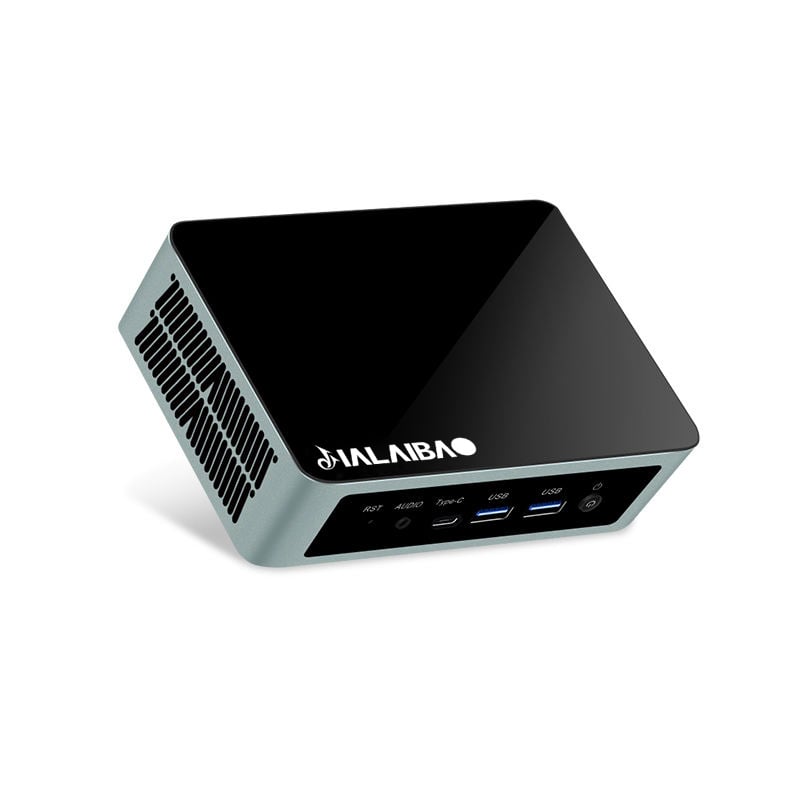
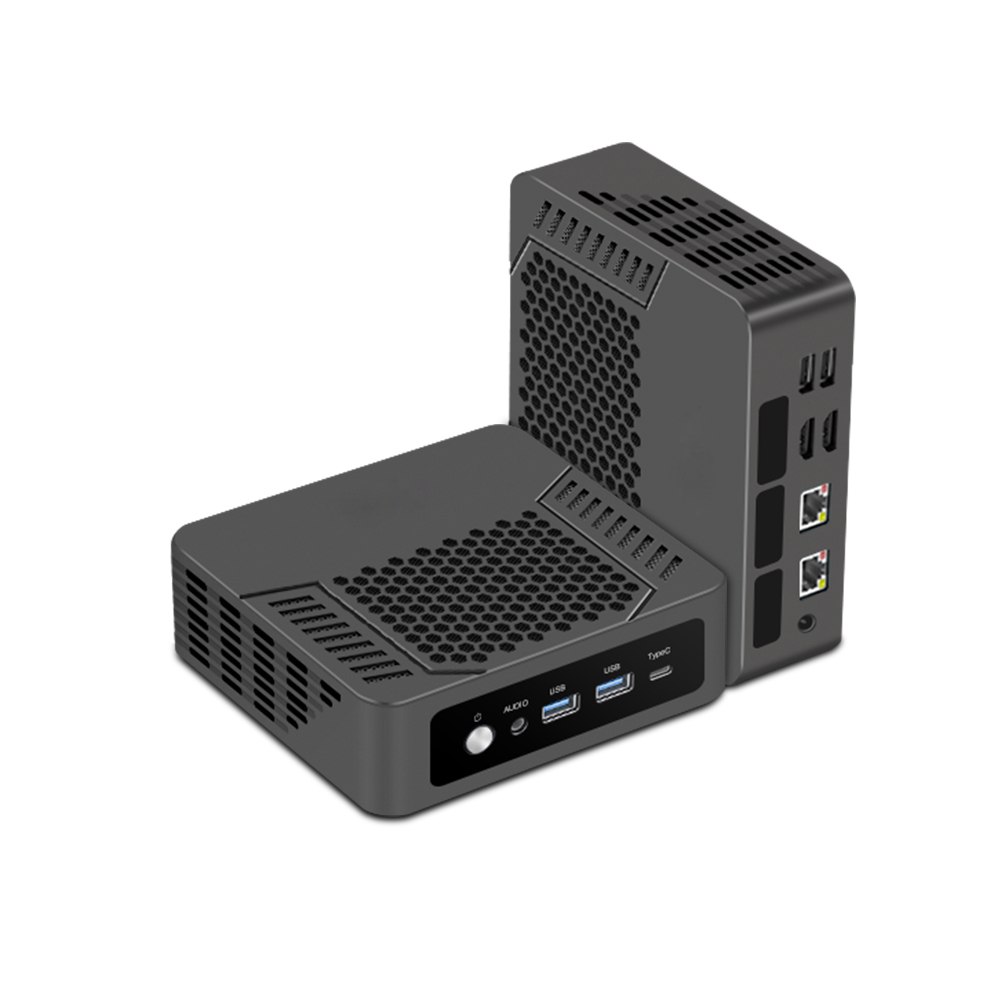
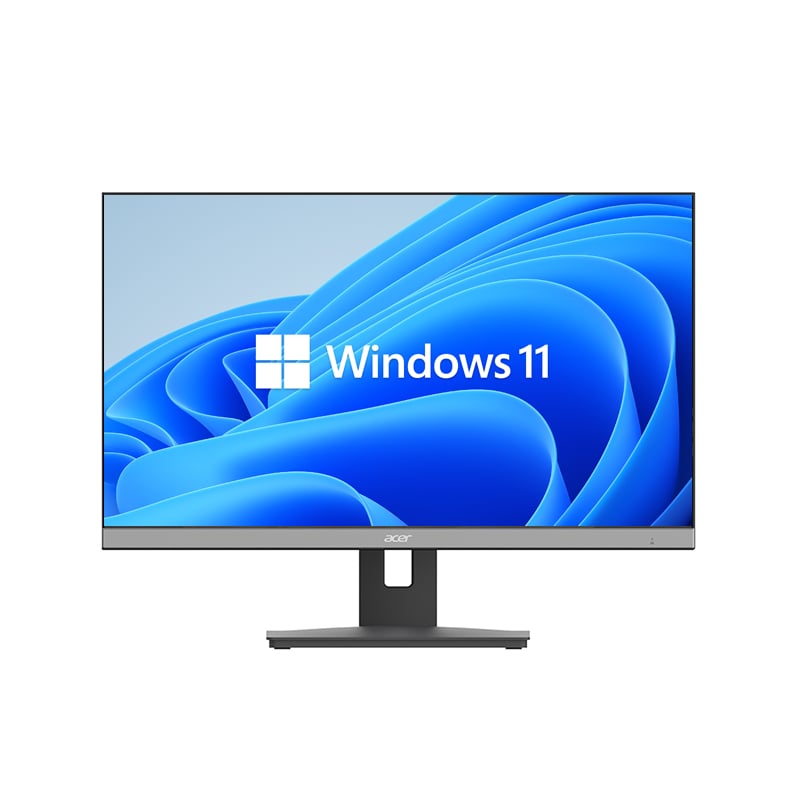
Modern computing demands have evolved dramatically, pushing users to seek versatile solutions that balance performance with practicality. The mini computer has emerged as a compelling alternative to traditional desktop systems, offering impressive multitasking capabilities in a remarkably compact form factor. These diminutive powerhouses challenge conventional assumptions about what constitutes adequate computing performance, particularly when handling multiple applications simultaneously. Understanding how a mini computer manages concurrent processes compared to full-size desktop systems reveals fascinating insights into modern hardware optimization and efficiency.
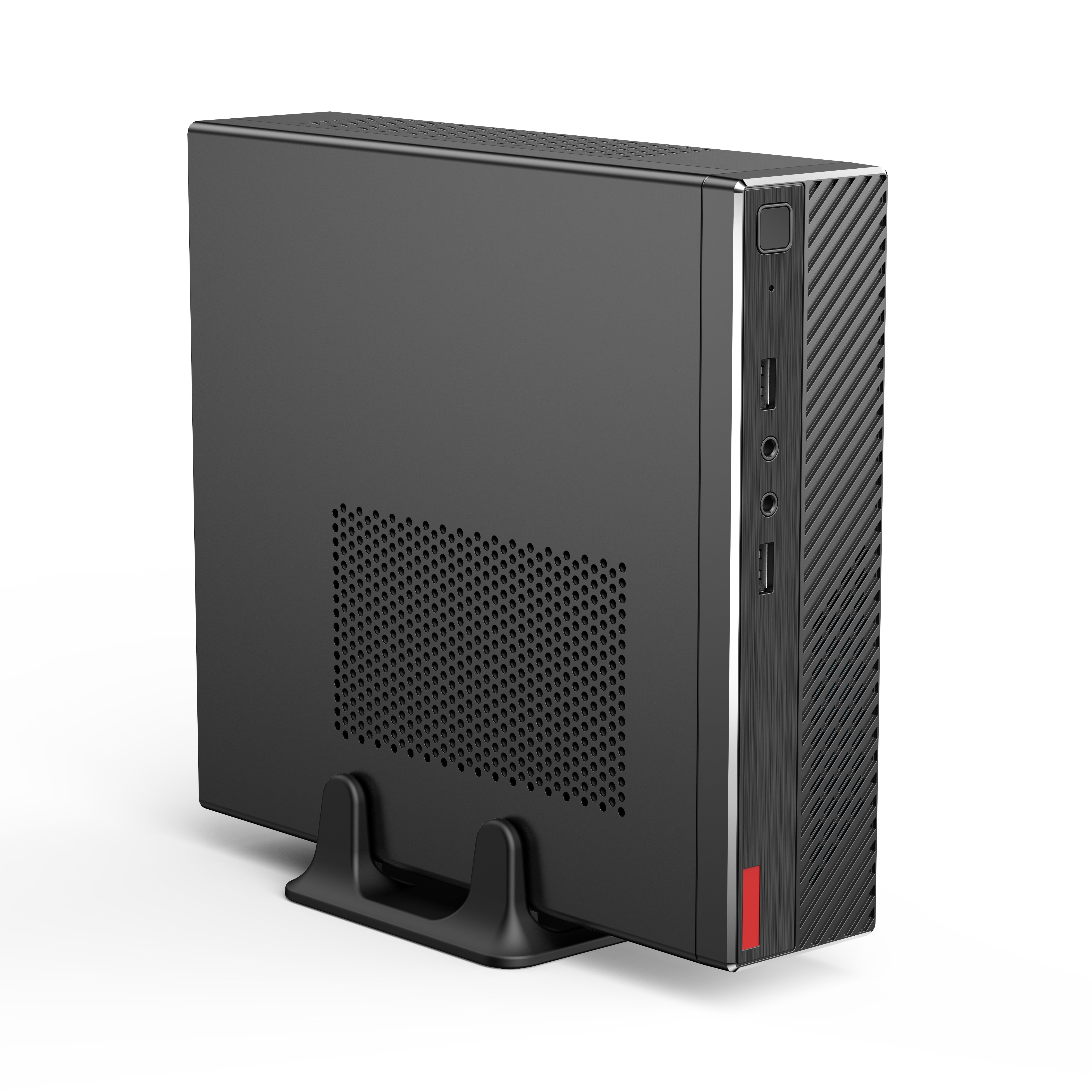
The landscape of personal computing has witnessed remarkable transformation over the past decade, with manufacturers successfully miniaturizing powerful components without sacrificing essential functionality. A mini computer today incorporates sophisticated processors, advanced memory management systems, and optimized thermal solutions that enable seamless multitasking experiences. These compact devices demonstrate that physical size no longer serves as a reliable indicator of computational capability, challenging traditional perceptions about desktop computing requirements.
The heart of any mini computer lies in its processor architecture, which determines multitasking performance through careful engineering and optimization. Modern mini computers utilize low-power processors designed specifically for compact environments, incorporating multiple cores and advanced threading capabilities. These processors employ sophisticated power management techniques that dynamically adjust performance based on workload demands, ensuring efficient resource allocation across multiple applications. The architectural design prioritizes thermal efficiency while maintaining robust processing power, enabling sustained multitasking without thermal throttling issues.
Contemporary mini computer processors leverage advanced manufacturing processes, typically utilizing 7nm or 10nm technologies that pack more transistors into smaller spaces. This increased transistor density translates directly into enhanced multitasking capabilities, allowing multiple processes to execute simultaneously without significant performance degradation. The integrated graphics solutions found in these processors also contribute to overall system efficiency, handling visual processing tasks while freeing up system resources for other applications.
Memory architecture plays a crucial role in determining how effectively a mini computer handles concurrent applications, with modern systems implementing intelligent memory management strategies. These compact systems often feature unified memory architectures that share resources between system operations and graphics processing, creating more efficient multitasking environments. Advanced memory controllers optimize data flow between applications, reducing latency and improving overall system responsiveness during heavy multitasking scenarios.
The memory subsystem in a quality mini computer incorporates fast DDR4 or DDR5 RAM configurations that support rapid context switching between applications. Smart caching algorithms predict application usage patterns, preloading frequently accessed data into faster memory tiers. This predictive approach significantly enhances multitasking performance by reducing application load times and improving overall system fluidity during task transitions.
When evaluating multitasking performance, a mini computer demonstrates remarkable efficiency in managing concurrent processes compared to traditional desktop systems. The compact form factor necessitates optimized hardware integration, resulting in reduced signal paths and improved component communication. This architectural advantage translates into faster inter-component data transfer rates, enhancing the system's ability to juggle multiple applications simultaneously. Modern mini computers can comfortably handle typical productivity workflows including web browsing, document editing, media streaming, and communication applications without noticeable performance degradation.
Benchmark comparisons reveal that contemporary mini computers achieve impressive multitasking scores, often matching or exceeding entry-level desktop systems in real-world usage scenarios. The key difference lies in power efficiency, where mini computers accomplish similar multitasking performance while consuming significantly less energy. This efficiency advantage becomes particularly apparent during extended multitasking sessions, where desktop systems may experience thermal buildup that impacts sustained performance.
The resource allocation mechanisms in a mini computer are specifically tuned for multitasking efficiency, employing intelligent scheduling algorithms that prioritize active applications while managing background processes. These systems implement sophisticated task prioritization schemes that ensure foreground applications receive adequate resources while maintaining system stability. The compact design requires careful thermal management, leading to more conservative but sustained performance profiles that benefit long-term multitasking scenarios.
System responsiveness during multitasking operations depends heavily on storage subsystem performance, where modern mini computers excel through integrated SSD solutions. These fast storage devices eliminate traditional hard drive bottlenecks that commonly affect desktop systems, resulting in snappier application launches and faster file operations during multitasking. The combination of efficient processors, optimized memory, and fast storage creates a synergistic effect that enhances overall multitasking experience beyond what individual component specifications might suggest.
Effective thermal management represents a critical factor in sustained multitasking performance, where mini computers employ innovative cooling solutions despite space constraints. Advanced heat pipe technologies, efficient fan designs, and strategic component placement work together to maintain optimal operating temperatures during intensive multitasking scenarios. These thermal management systems are designed to handle continuous operation without thermal throttling, ensuring consistent performance across extended usage periods.
The compact nature of a mini computer actually provides certain thermal advantages, as the reduced internal air volume requires less energy to maintain temperature stability. Manufacturers leverage this characteristic by implementing precision-engineered cooling systems that maximize heat dissipation efficiency within minimal space requirements. Modern mini computers often maintain lower operating temperatures than comparable desktop systems, contributing to improved long-term reliability and sustained performance during demanding multitasking workloads.
Sustained multitasking performance requires consistent power delivery and thermal stability, areas where well-designed mini computers demonstrate significant advantages. The integrated nature of compact systems allows for more precise power management, ensuring stable voltage delivery to all components during varying load conditions. This stability translates directly into more predictable multitasking performance, avoiding the power supply fluctuations that sometimes affect desktop systems during intensive operations.
Performance consistency becomes particularly important during extended multitasking sessions, where thermal buildup can significantly impact system responsiveness. Mini computers address this challenge through carefully calibrated thermal profiles that balance performance with temperature management. The result is sustained multitasking capability that remains stable over time, providing users with reliable performance regardless of workload duration or intensity.
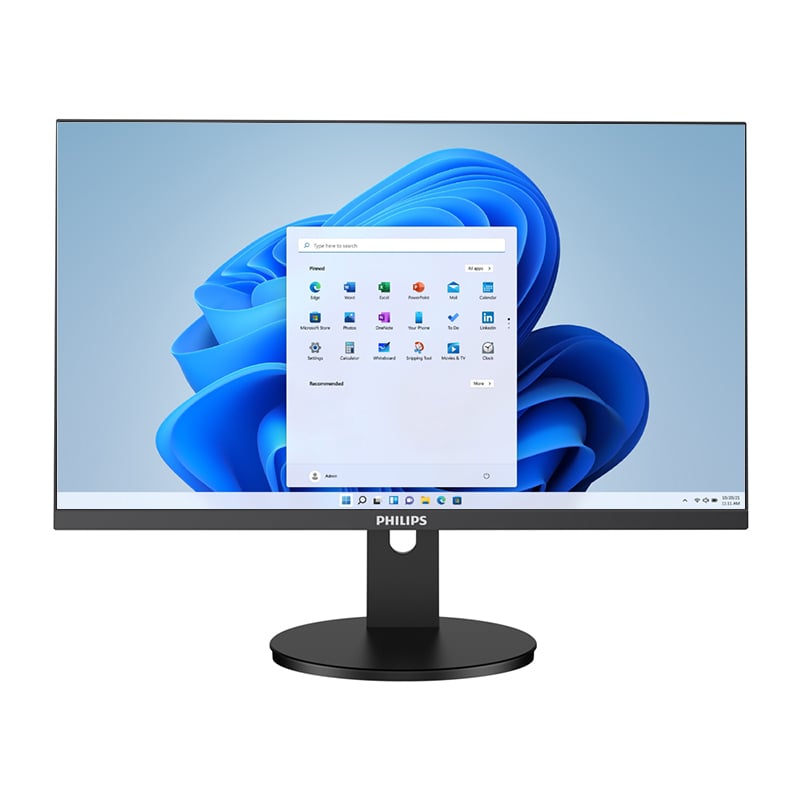
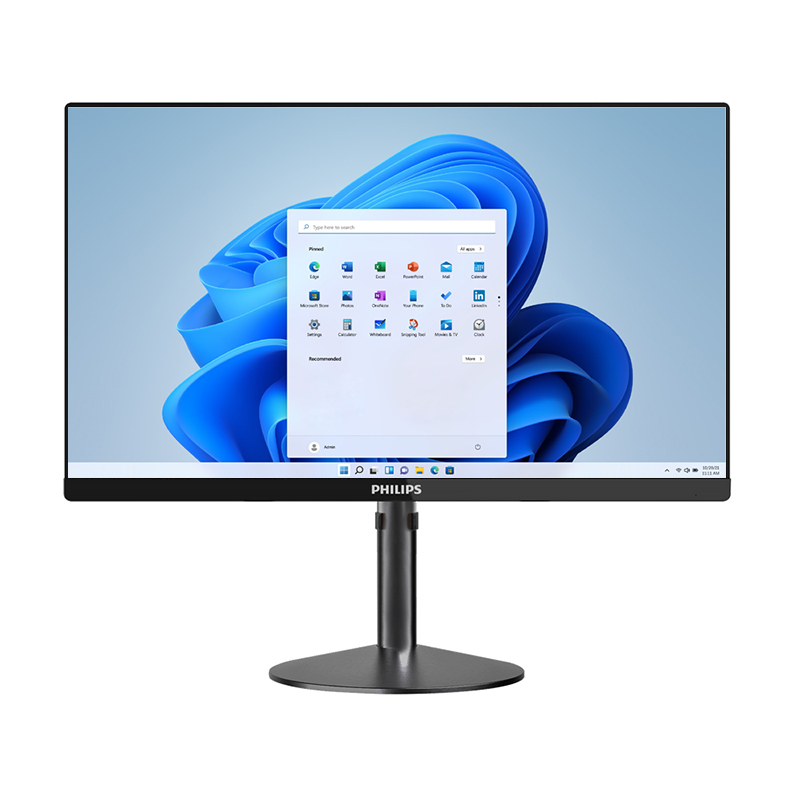
In professional environments, a mini computer excels at handling typical business multitasking scenarios including simultaneous document editing, video conferencing, email management, and web-based applications. The compact form factor makes these systems ideal for space-constrained offices while delivering desktop-class multitasking performance. Modern mini computers can easily support multiple monitor setups, enabling enhanced productivity through expanded desktop real estate without sacrificing processing capabilities.
Enterprise applications running on mini computers benefit from optimized resource allocation and intelligent task management, ensuring smooth operation even when handling complex workflows. These systems demonstrate particular strength in cloud-based productivity suites, where network efficiency and local processing power combine to deliver responsive multitasking experiences. The reliability and consistency of mini computer performance make them increasingly popular choices for business environments requiring dependable multitasking capabilities.
Creative professionals and developers find that modern mini computers provide sufficient multitasking capability for many demanding workflows, including code development, graphic design, and content creation. While not matching the raw power of high-end desktop workstations, these compact systems handle moderate creative workloads effectively while offering superior portability and energy efficiency. The multitasking performance proves adequate for running development environments, design software, and supporting applications simultaneously.
Development workflows particularly benefit from the fast storage and efficient memory management found in quality mini computers, enabling rapid compilation and testing cycles while maintaining system responsiveness. The ability to run multiple development tools, browsers, and testing applications concurrently makes a mini computer a viable option for many software development scenarios. The consistent performance and thermal stability contribute to productive development environments without the space and power requirements of traditional desktop systems.
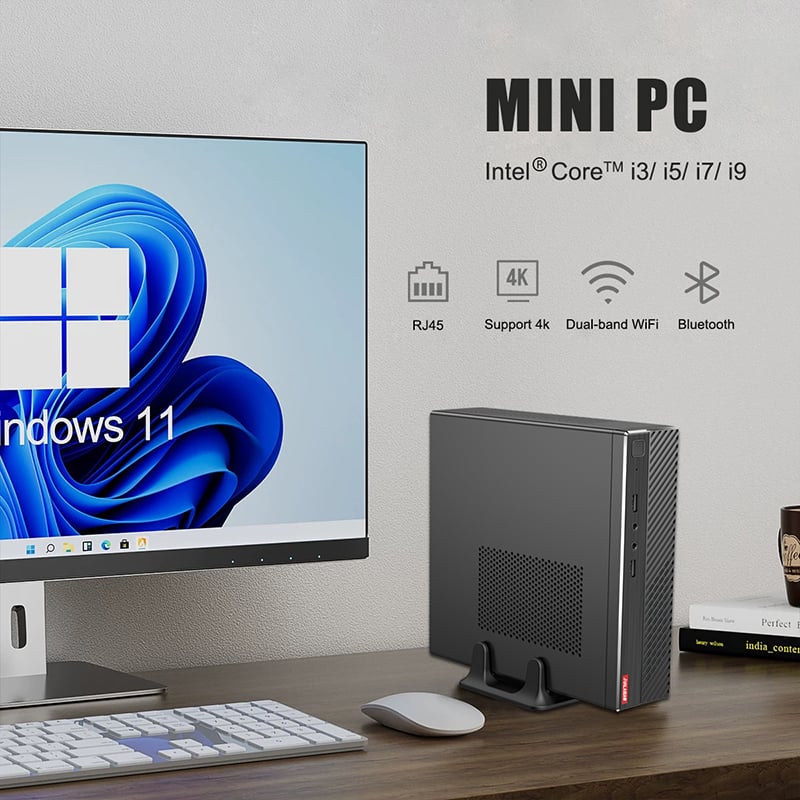
The multitasking capabilities of a mini computer extend beyond internal processing power to include comprehensive connectivity options that support diverse peripheral requirements. Modern mini computers feature extensive port configurations including USB-C, USB-A, HDMI, and network connections that enable seamless integration with external devices. This connectivity flexibility allows users to expand system capabilities without compromising the compact form factor, supporting complex multitasking setups with external storage, displays, and input devices.
Network connectivity plays a crucial role in multitasking performance, particularly for cloud-based applications and remote work scenarios. Advanced mini computers incorporate high-speed wireless capabilities including Wi-Fi 6 and Bluetooth technologies that support multiple concurrent connections without bandwidth limitations. These connectivity features enable efficient multitasking across local and networked applications, maintaining performance consistency regardless of connection type or data source location.
The modular design approach adopted by leading mini computer manufacturers enables scalable multitasking performance through strategic component upgrades and system expansion. While maintaining compact dimensions, these systems often support memory upgrades and storage expansion that can enhance multitasking capabilities over time. This scalability ensures that a mini computer investment remains viable as multitasking demands evolve and application requirements increase.
Future-proofing considerations include support for emerging technologies and standards that will impact multitasking performance in coming years. Modern mini computers incorporate contemporary interfaces and protocols that ensure compatibility with evolving software requirements and peripheral technologies. This forward-thinking approach helps maintain effective multitasking performance throughout the system lifecycle, providing long-term value for users investing in compact computing solutions.
Modern mini computers can handle many of the same multitasking workloads as full desktop systems, particularly for typical business and productivity applications. While they may not match the raw performance of high-end desktop workstations, contemporary mini computers provide sufficient processing power, memory, and storage performance for most multitasking scenarios. The key is understanding your specific application requirements and ensuring the mini computer specifications align with your multitasking needs.
The primary limitations of mini computers for intensive multitasking include reduced expandability compared to full desktop systems and potential thermal constraints during extreme workloads. While these systems excel at typical multitasking scenarios, they may struggle with highly demanding applications like professional video editing or complex 3D rendering when running simultaneously with other intensive applications. However, for most users, these limitations rarely impact daily multitasking requirements.
Power consumption in mini computers is optimized for efficiency, which actually enhances sustained multitasking performance by reducing thermal buildup and ensuring consistent power delivery. The low-power design prevents the performance throttling that can occur in desktop systems during extended intensive operations. This efficiency advantage means mini computers often maintain more consistent multitasking performance over time compared to power-hungry desktop alternatives.
Desktop computers maintain significant advantages in multitasking scenarios involving high-end gaming, professional video editing, 3D rendering, or complex scientific computations running simultaneously. These applications benefit from the expanded cooling capacity, higher power budgets, and discrete graphics cards typically found in desktop systems. However, for standard business multitasking, web browsing, document editing, and media consumption, the performance difference between quality mini computers and desktop systems is often negligible.
 EN
EN
 AR
AR
 BG
BG
 HR
HR
 CS
CS
 DA
DA
 NL
NL
 FR
FR
 DE
DE
 EL
EL
 HI
HI
 IT
IT
 JA
JA
 KO
KO
 NO
NO
 PL
PL
 PT
PT
 RO
RO
 RU
RU
 ES
ES
 SV
SV
 TL
TL
 IW
IW
 ID
ID
 SR
SR
 SK
SK
 VI
VI
 HU
HU
 TH
TH
 TR
TR
 FA
FA
 AF
AF
 MS
MS
 SW
SW
 UR
UR
 BN
BN
 HA
HA
 KM
KM
 MN
MN
 UZ
UZ