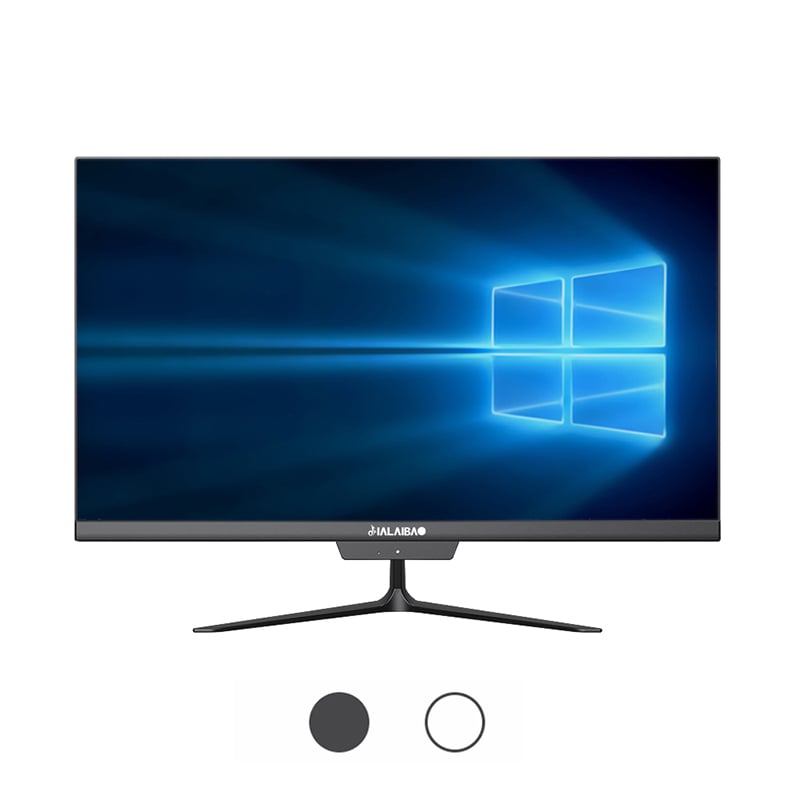
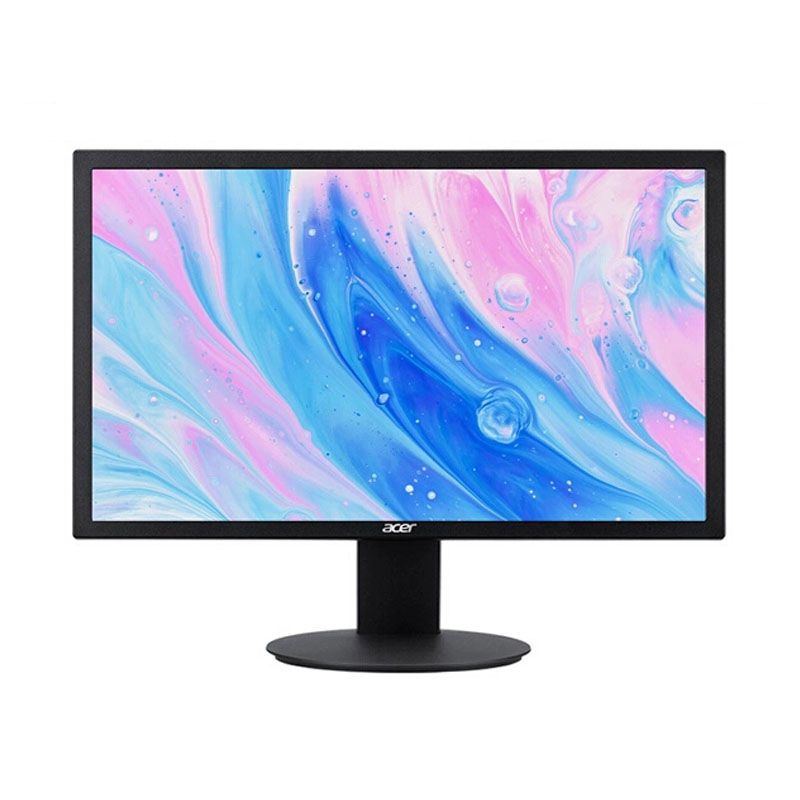
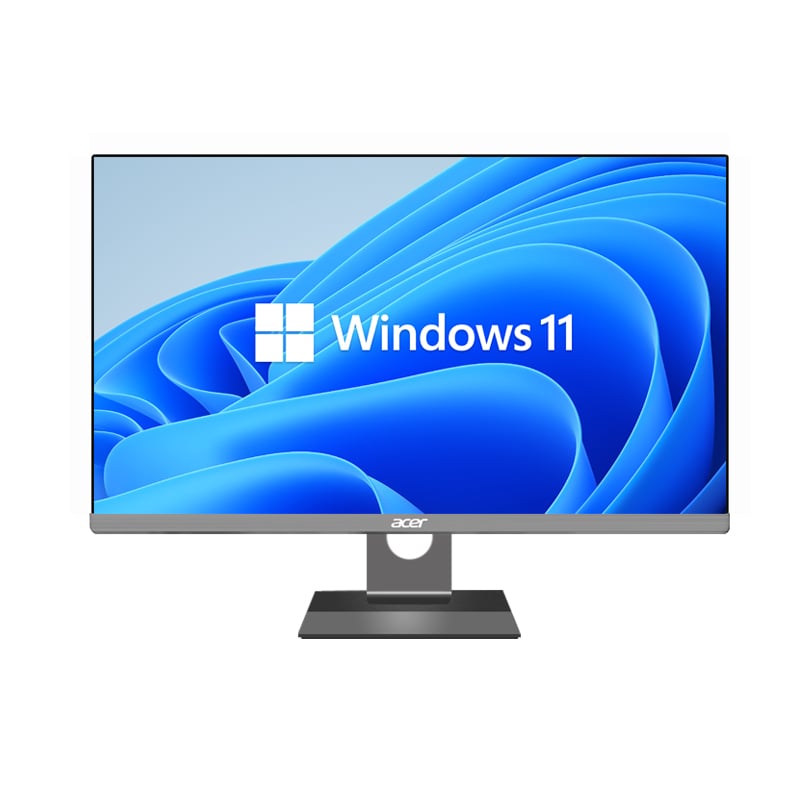
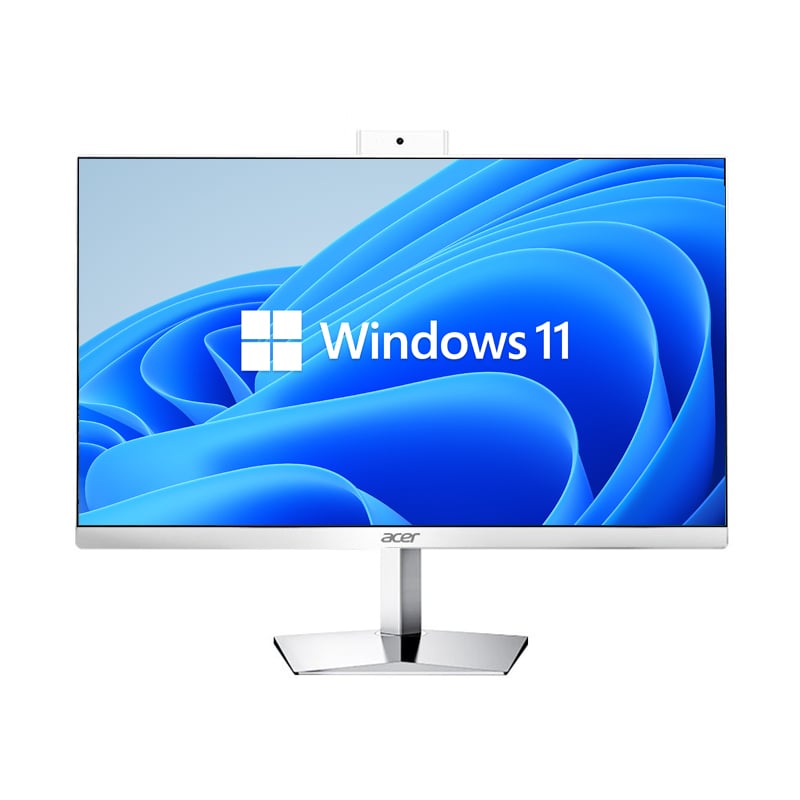
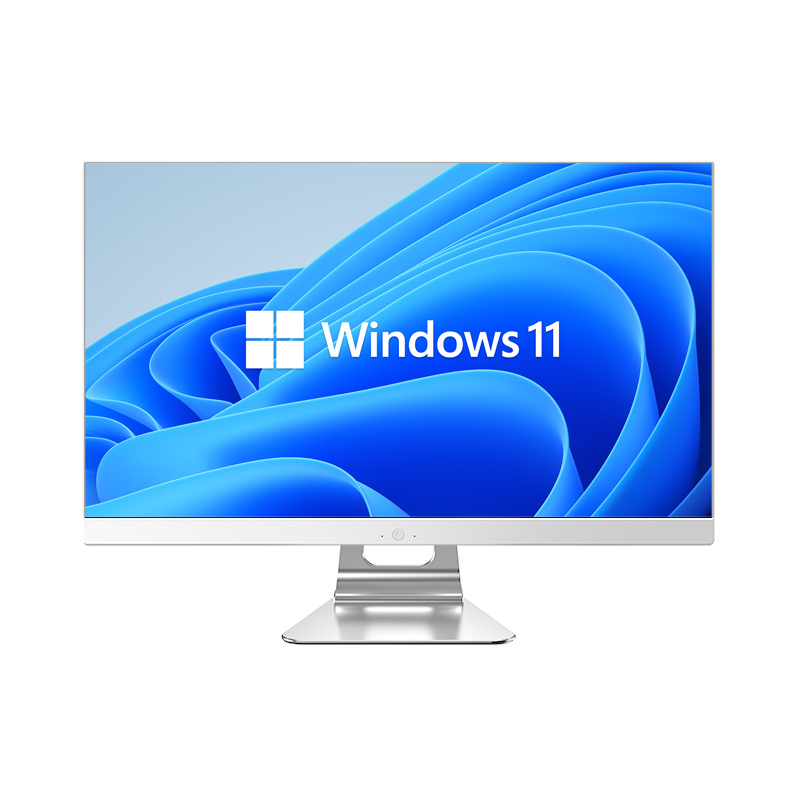
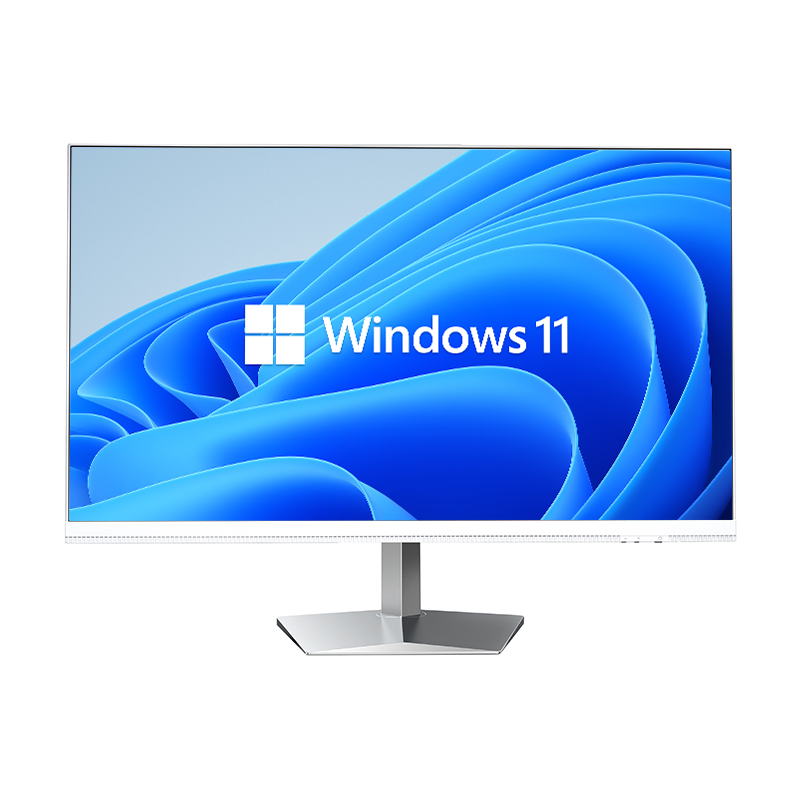
Modern workplaces increasingly prioritize energy efficiency as organizations seek to reduce operational costs and environmental impact. All-in-one PCs have emerged as compelling solutions that combine performance with significant energy-saving advantages. These integrated computing systems merge the monitor, processing unit, and essential components into a single streamlined device, fundamentally changing how businesses approach desktop computing while delivering substantial energy benefits that traditional tower setups simply cannot match.
The foundational energy advantage of all-in-one PCs stems from their integrated architecture, which eliminates the need for separate power supplies, cooling systems, and connection cables between components. Traditional desktop configurations require individual power conversion for the monitor, tower, speakers, and peripherals, each introducing energy loss through heat dissipation and inefficient power distribution. All-in-one systems consolidate these functions into a single power management unit, reducing overall energy consumption by approximately 30-40% compared to equivalent traditional setups.
The integrated design also enables more sophisticated power management algorithms that can dynamically adjust component performance based on workload demands. Modern all-in-one PCs utilize advanced processor architectures with variable frequency scaling, intelligent graphics switching, and coordinated thermal management that optimizes energy usage across all system components simultaneously. This holistic approach to power management creates synergistic efficiency gains that separate components cannot achieve independently.
Contemporary all-in-one PCs incorporate cutting-edge power management technologies specifically designed for integrated systems. These include adaptive voltage scaling, which automatically adjusts power delivery based on processing requirements, and intelligent sleep modes that can selectively power down unused subsystems while maintaining rapid wake capabilities. The integration of these technologies within a single chassis allows for more precise control over energy consumption patterns throughout the workday.
Additionally, modern all-in-one systems feature enhanced power supply efficiency ratings, often achieving 80 PLUS Gold or Platinum certifications that indicate superior energy conversion rates. These high-efficiency power supplies waste significantly less energy as heat, contributing to both direct energy savings and reduced cooling requirements. The combination of efficient power delivery and integrated thermal management creates a compounding effect that maximizes energy conservation across all operational scenarios.
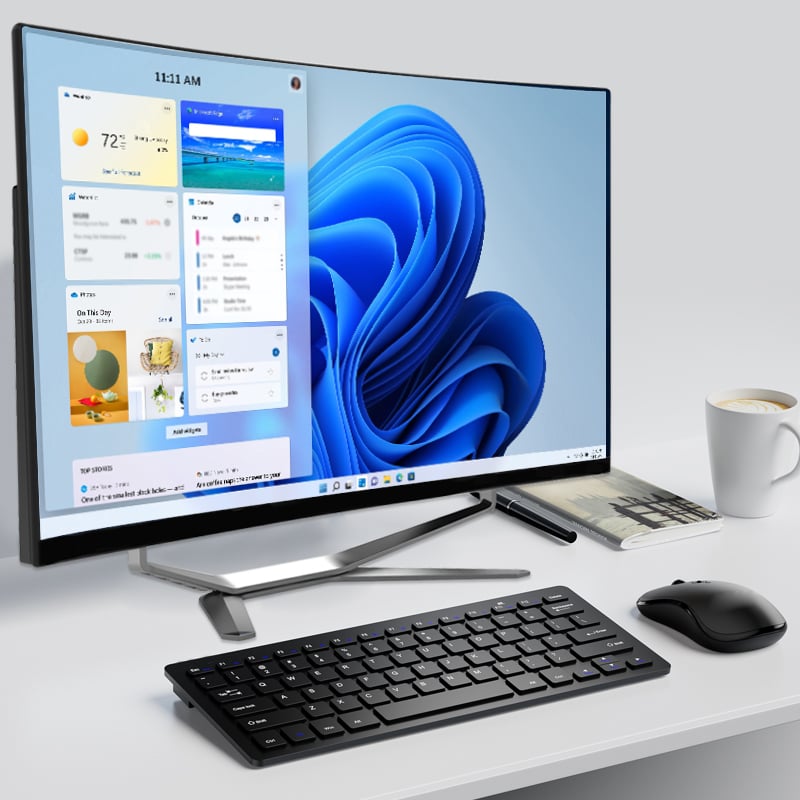
Detailed energy consumption analysis reveals that all-in-one PCs typically consume between 45-85 watts during normal operation, depending on screen size and performance specifications. In contrast, equivalent traditional desktop configurations often require 150-250 watts to deliver similar computing capabilities. This dramatic reduction in power consumption translates to substantial energy cost savings, particularly in enterprise environments where dozens or hundreds of workstations operate continuously throughout business hours.
The energy efficiency advantage becomes even more pronounced during idle periods and sleep modes. All-in-one PCs can reduce power consumption to as low as 0.5-2 watts in deep sleep mode, while traditional desktop systems typically consume 5-15 watts in similar states due to the distributed nature of their power management systems. Over extended periods, these seemingly small differences accumulate into significant energy savings that directly impact operational costs and environmental sustainability metrics.
Financial analysis of energy consumption over typical computer lifecycle periods demonstrates the substantial cost advantages of all-in-one PCs. Assuming average commercial electricity rates of $0.12 per kilowatt-hour and standard business usage patterns of 8-10 hours daily, all-in-one systems can reduce annual energy costs by $75-150 per workstation compared to traditional desktop configurations. For organizations deploying multiple workstations, these savings multiply rapidly, creating significant budget impacts over 3-5 year deployment cycles.
Beyond direct electricity costs, the reduced energy consumption of all-in-one PCs contributes to lower HVAC requirements, as less waste heat generation reduces the cooling load on building climate control systems. This secondary energy saving effect can add an additional 15-25% to the total energy cost reduction, particularly in dense office environments where heat dissipation from computing equipment represents a substantial portion of cooling requirements.
The environmental benefits of all-in-one PCs extend far beyond immediate energy savings, encompassing reduced carbon emissions, lower manufacturing resource requirements, and improved end-of-life recyclability. The consolidated design of all-in-one systems requires fewer raw materials, less packaging, and reduced transportation energy compared to equivalent multi-component desktop solutions. This manufacturing efficiency translates to a lower embedded carbon footprint before the system even begins operation.
During operational use, the reduced power consumption of all-in-one PCs directly correlates to decreased carbon emissions from electricity generation. Depending on regional electrical grid composition, each all-in-one PC can prevent 200-400 pounds of CO2 emissions annually compared to traditional desktop configurations. For organizations committed to sustainability goals and carbon neutrality targets, widespread deployment of energy-efficient all-in-one systems represents a measurable and impactful environmental improvement strategy.
All-in-one PCs contribute to resource conservation through their integrated design philosophy, which eliminates redundant components and reduces overall material requirements. The consolidation of power supplies, cooling systems, and structural elements into a single unit reduces the total quantity of metals, plastics, and electronic components required for each workstation. This material efficiency extends to packaging and shipping, where single-unit all-in-one systems require significantly less protective packaging and occupy less transportation volume than multi-component alternatives.
End-of-life considerations also favor all-in-one systems, as their integrated design facilitates more efficient recycling processes and reduces the complexity of component separation for material recovery. The standardized form factors and reduced component diversity of all-in-one PCs enable recycling facilities to process these systems more efficiently, improving recovery rates for valuable materials and reducing electronic waste disposal challenges.
The integrated thermal management systems in all-in-one PCs create significant energy efficiency advantages through coordinated cooling strategies that optimize performance while minimizing power consumption. Traditional desktop systems often suffer from inefficient cooling due to the separation between heat sources and cooling solutions, leading to over-cooling of some components and under-cooling of others. All-in-one designs enable precise thermal management that delivers adequate cooling exactly where needed while minimizing fan speeds and power consumption.
Advanced thermal design in modern all-in-one PCs incorporates heat pipes, vapor chambers, and strategically positioned cooling fans that create efficient airflow patterns across all heat-generating components. This coordinated approach allows the system to maintain optimal operating temperatures while consuming less energy for cooling compared to traditional desktop configurations that rely on multiple independent cooling systems with less coordination and efficiency.
All-in-one PCs leverage their integrated architecture to implement sophisticated processing efficiency optimizations that balance performance requirements with energy consumption. Modern systems incorporate intelligent workload distribution algorithms that can dynamically allocate processing tasks between CPU and integrated graphics processors based on energy efficiency considerations. This flexible processing architecture ensures that computational tasks are handled by the most energy-efficient component capable of delivering required performance levels.
The tight integration between processing components and display systems in all-in-one PCs also enables advanced power management features such as display brightness adjustment based on ambient lighting conditions, automatic scaling of refresh rates during low-activity periods, and coordinated sleep mode transitions that power down display and processing components simultaneously for maximum energy conservation during idle periods.
Maximizing the energy-saving benefits of all-in-one PCs requires strategic deployment planning that considers usage patterns, performance requirements, and organizational energy goals. Proper system configuration during initial deployment ensures that power management features are optimally enabled and customized for specific work environments. This includes configuring sleep mode timers, display brightness settings, and processor power profiles to match actual usage patterns while maintaining productivity requirements.
Organizations should also consider the physical placement of all-in-one PCs to optimize both performance and energy efficiency. Proper ventilation and ambient temperature control around workstations can significantly impact energy consumption, as systems operating in cooler environments require less energy for thermal management. Strategic placement away from heat sources and in well-ventilated areas can enhance the natural energy efficiency advantages of all-in-one systems.
Ongoing monitoring of energy consumption patterns enables organizations to fine-tune all-in-one PC configurations for optimal efficiency throughout their operational lifecycle. Modern management software can track power usage patterns, identify opportunities for additional energy savings, and automatically adjust system settings based on actual usage data. This continuous optimization approach ensures that energy-saving benefits are maintained and enhanced over time as usage patterns evolve.
Regular assessment of power management settings, software configurations, and user behavior patterns provides opportunities to implement additional energy-saving measures without compromising productivity. Organizations can establish energy efficiency metrics and benchmarks that track the performance of all-in-one PC deployments, enabling data-driven decisions about future technology investments and energy conservation strategies.
All-in-one PCs typically consume 30-40% less energy than equivalent traditional desktop configurations, reducing power usage from 150-250 watts to 45-85 watts during normal operation. This translates to annual energy cost savings of $75-150 per workstation, with additional savings from reduced cooling requirements and lower carbon emissions.
Modern all-in-one PCs deliver comparable or superior performance to traditional desktop systems while achieving significant energy savings through integrated design optimizations, advanced thermal management, and intelligent power allocation algorithms. The consolidated architecture enables more efficient processing and eliminates energy waste from redundant components.
Key evaluation factors include power consumption ratings, Energy Star certification levels, thermal design efficiency, integrated power management features, and total cost of ownership calculations that account for energy savings over the system lifecycle. Organizations should also consider environmental impact goals and sustainability reporting requirements.
All-in-one PCs support sustainability goals through reduced carbon emissions, lower manufacturing resource requirements, decreased electronic waste generation, and improved recyclability. Each system can prevent 200-400 pounds of CO2 emissions annually while requiring fewer raw materials and less packaging than traditional desktop alternatives.
 EN
EN
 AR
AR
 BG
BG
 HR
HR
 CS
CS
 DA
DA
 NL
NL
 FR
FR
 DE
DE
 EL
EL
 HI
HI
 IT
IT
 JA
JA
 KO
KO
 NO
NO
 PL
PL
 PT
PT
 RO
RO
 RU
RU
 ES
ES
 SV
SV
 TL
TL
 IW
IW
 ID
ID
 SR
SR
 SK
SK
 VI
VI
 HU
HU
 TH
TH
 TR
TR
 FA
FA
 AF
AF
 MS
MS
 SW
SW
 UR
UR
 BN
BN
 HA
HA
 KM
KM
 MN
MN
 UZ
UZ