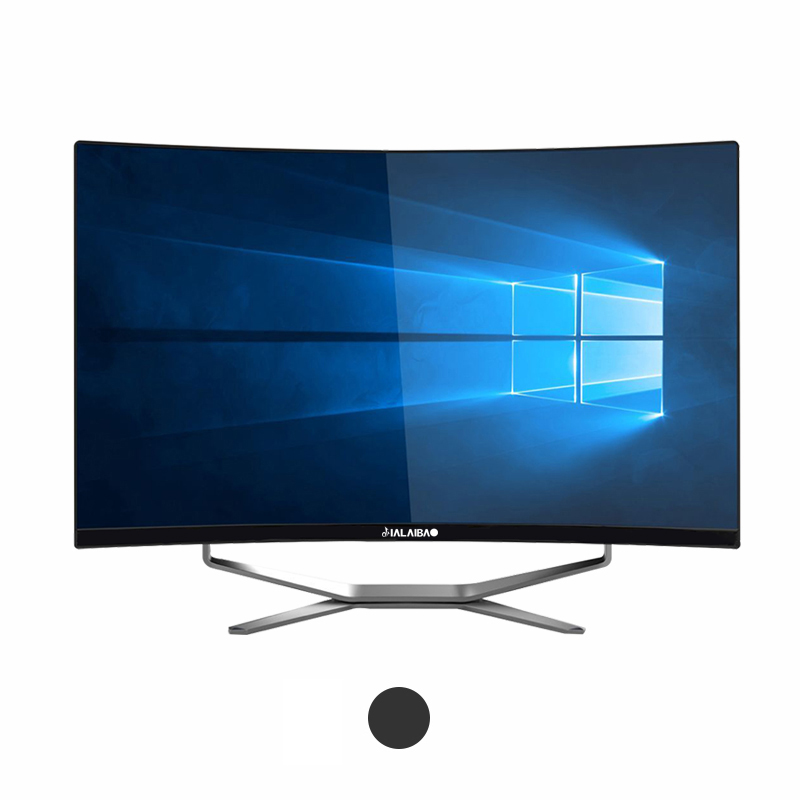
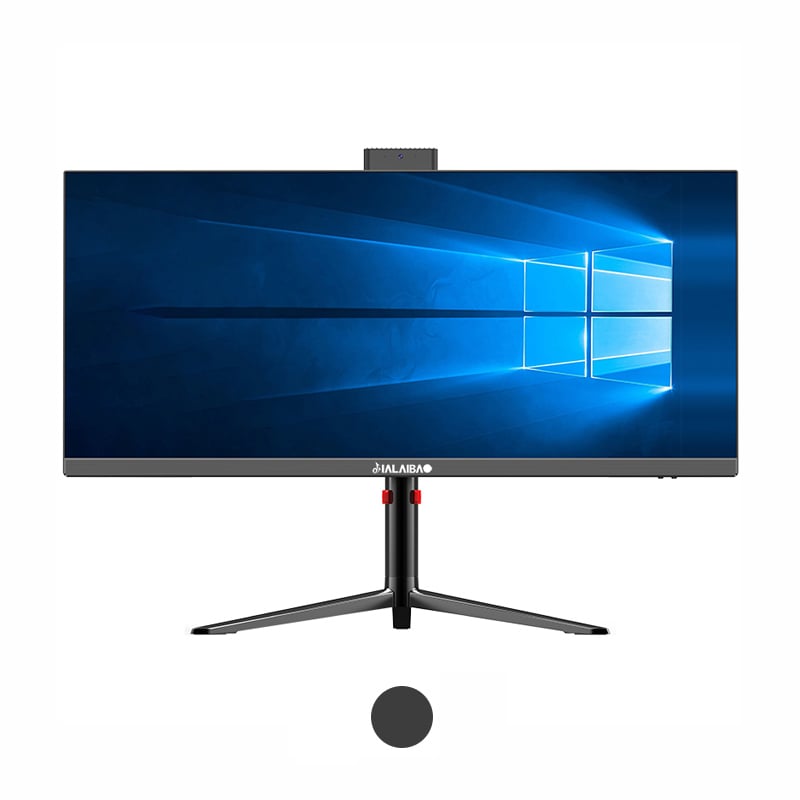
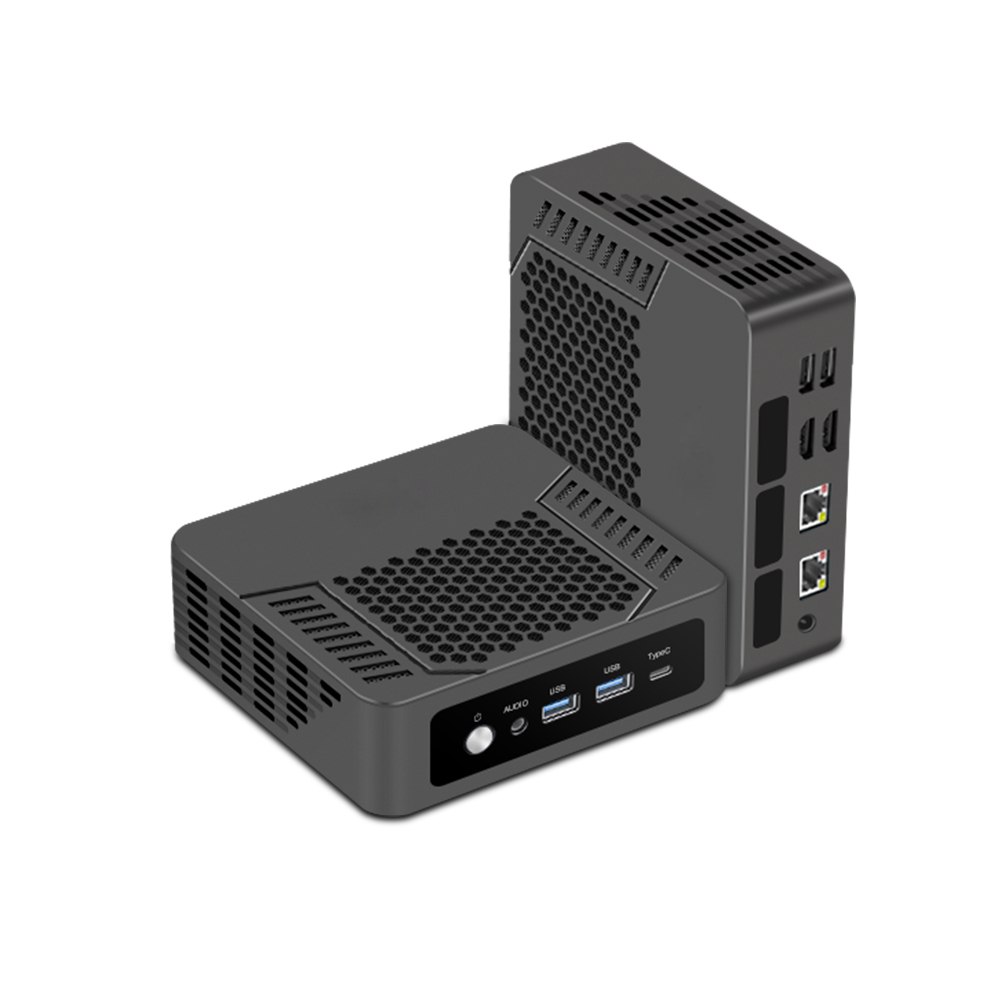
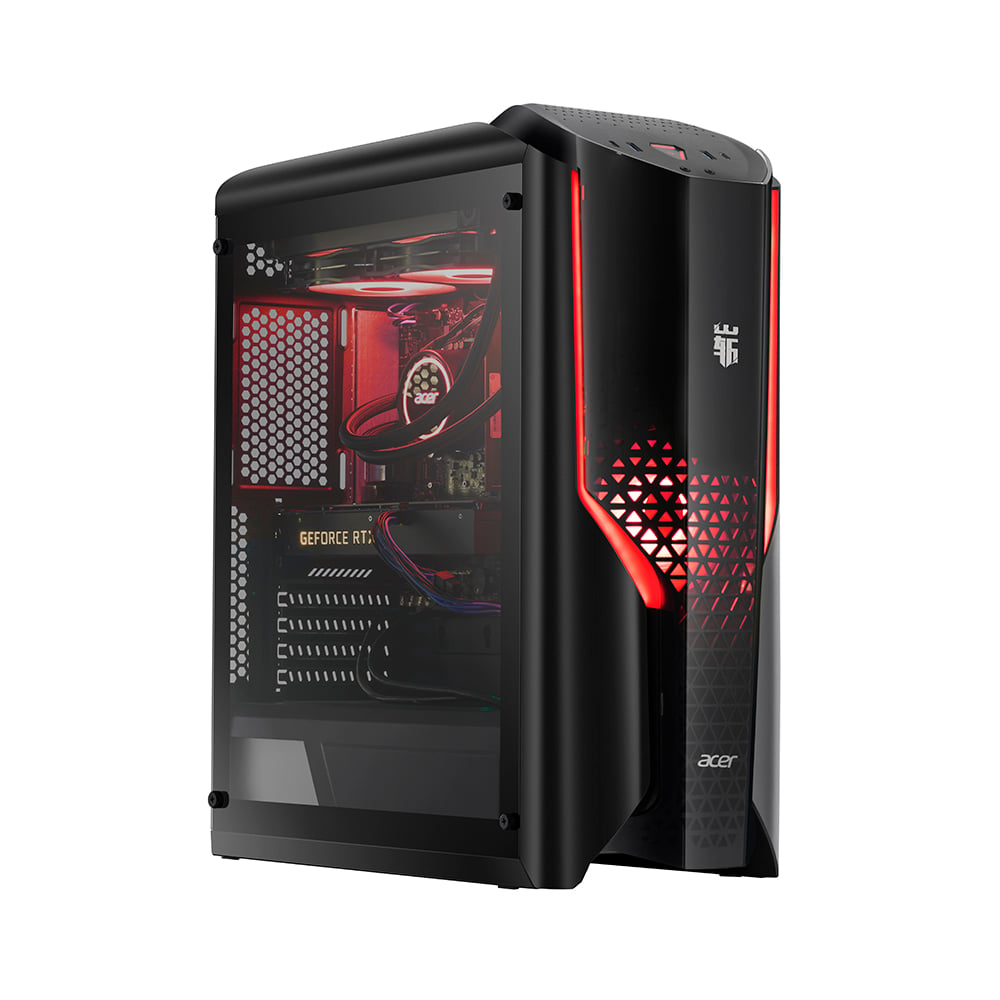
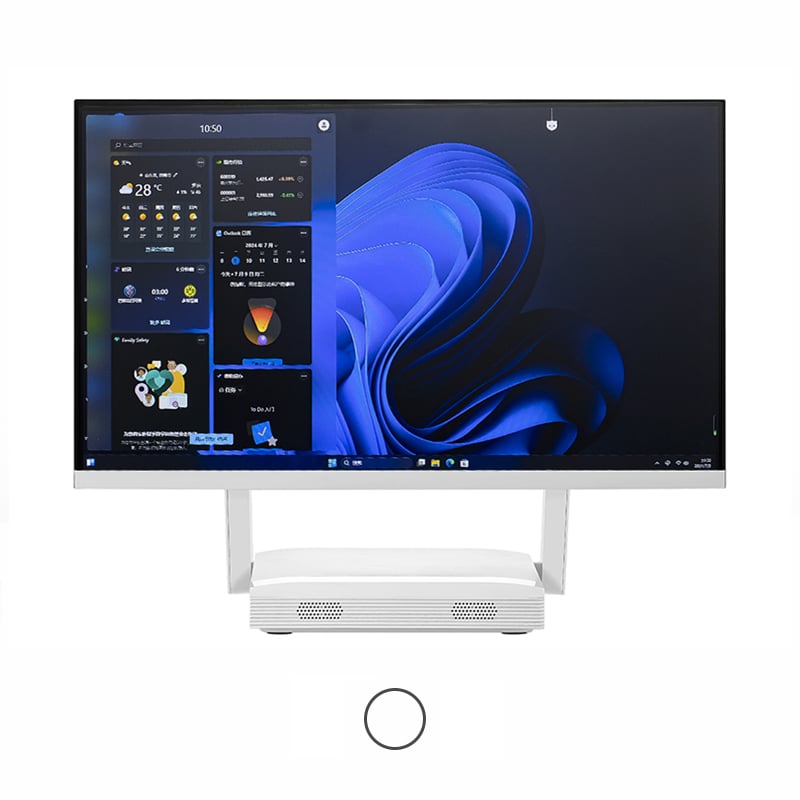
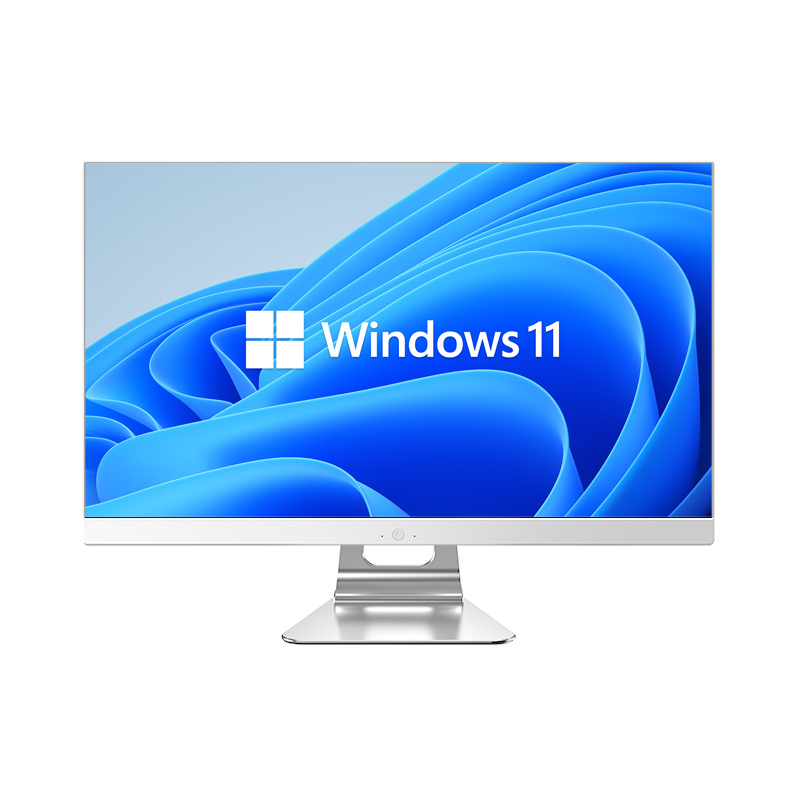
Commercial deployments increasingly require compact computing solutions that deliver enterprise-grade performance while maintaining space efficiency and cost-effectiveness. A mini computer represents the perfect balance between powerful processing capabilities and minimal physical footprint, making it an ideal choice for businesses seeking versatile computing platforms. These sophisticated devices have evolved beyond simple desktop replacements to become cornerstone components in modern commercial infrastructure, offering scalability, reliability, and adaptability that traditional computing systems often cannot match.
The commercial landscape demands computing solutions that can seamlessly integrate into existing workflows while providing the flexibility to adapt to changing business requirements. Organizations across various industries have discovered that implementing a mini computer strategy enables them to optimize operational efficiency while reducing infrastructure costs. From retail environments to manufacturing facilities, these compact systems deliver enterprise-level performance without the complexity and space requirements associated with traditional server installations.
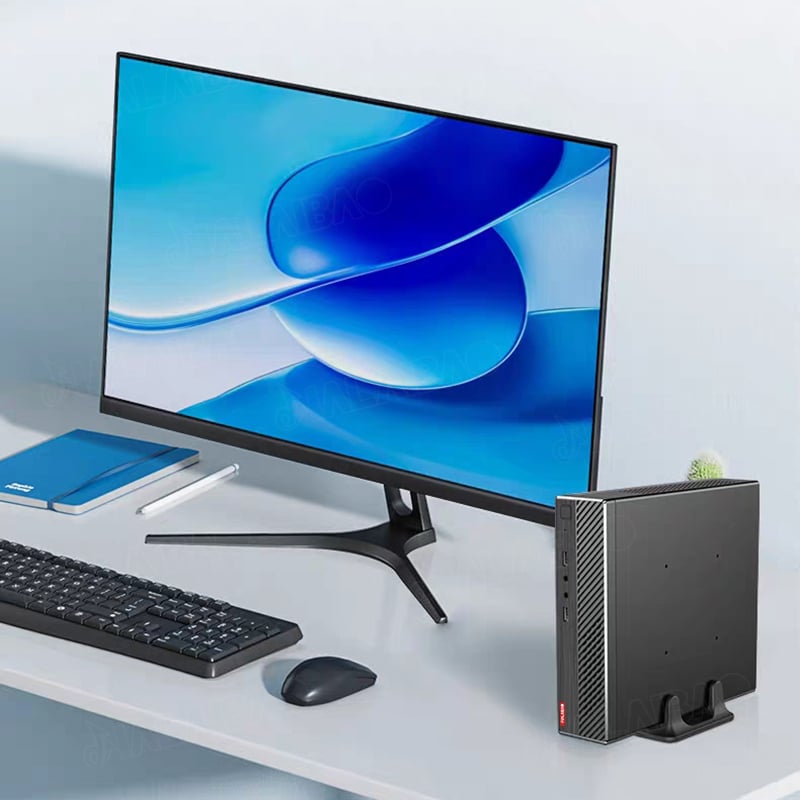
Modern retail environments require sophisticated digital signage solutions that can handle high-resolution content delivery while maintaining consistent performance throughout extended operating hours. A mini computer serves as an excellent foundation for digital signage networks, providing the processing power necessary to render complex graphics, videos, and interactive content without compromising system stability. These deployments benefit from the compact form factor that allows seamless integration behind displays or within confined spaces typical of retail installations.
Retail establishments often require multiple display zones with synchronized content delivery, making centralized management capabilities essential. Mini computer systems excel in these scenarios by offering remote management capabilities that allow IT administrators to update content, monitor system performance, and troubleshoot issues without requiring physical access to individual units. This operational efficiency translates to reduced maintenance costs and improved customer experience consistency across all display locations.
Corporate environments increasingly rely on dynamic digital communication systems to engage employees, share important announcements, and maintain organizational transparency. A mini computer deployment enables businesses to create sophisticated internal communication networks that can display real-time data, corporate messaging, and interactive dashboards. The reliability and consistent performance characteristics of these systems ensure that critical information reaches employees without interruption.
Conference rooms and meeting spaces particularly benefit from mini computer-powered display solutions that support wireless presentation capabilities, video conferencing integration, and collaborative workspace management. These implementations enhance productivity by providing seamless connectivity options while maintaining the professional aesthetic that corporate environments demand.
The evolution of retail transaction processing has created demand for computing platforms that can handle complex payment processing, inventory management, and customer relationship management simultaneously. A mini computer provides the computational resources necessary to support modern point-of-sale requirements while occupying minimal counter space in retail environments. These systems must deliver consistent performance during peak transaction periods while maintaining the security standards required for financial data processing.
Integration capabilities become particularly important in retail environments where point-of-sale systems must communicate with inventory management databases, customer loyalty programs, and financial reporting systems. Mini computer platforms excel in these multi-system integration scenarios by providing sufficient processing power and connectivity options to support comprehensive retail management ecosystems without requiring dedicated server infrastructure.
Restaurants, hospitality establishments, and service-oriented businesses require transaction processing systems that can adapt to dynamic operational requirements while maintaining reliable performance. Mini computer deployments in these environments often support integrated solutions that combine order management, payment processing, and customer service capabilities within a single platform. The compact design allows these systems to integrate seamlessly into service counters and workstations without disrupting operational workflows.
Service industry applications frequently require real-time data synchronization between multiple locations and central management systems. Mini computer platforms provide the networking capabilities and processing resources necessary to maintain consistent data accuracy across distributed service locations while supporting the specialized software applications that these industries depend upon.
Manufacturing environments present unique challenges that require computing solutions capable of operating reliably in harsh industrial conditions while providing precise control over automated processes. A mini computer designed for industrial applications can withstand temperature variations, vibration, and electromagnetic interference commonly found in manufacturing facilities. These systems serve as critical components in supervisory control and data acquisition networks that monitor and control manufacturing equipment.
Industrial automation applications often require real-time data processing capabilities that can respond to sensor inputs and control actuators within millisecond timeframes. Mini computer platforms equipped with industrial-grade components provide the deterministic performance characteristics necessary for precise process control while offering the flexibility to integrate with existing programmable logic controller networks and human-machine interface systems.
Quality control systems in manufacturing environments rely on sophisticated data collection and analysis capabilities that can identify defects, track production metrics, and maintain compliance with industry standards. A mini computer deployment in quality control applications provides the computational resources necessary to process high-resolution imaging data, statistical analysis algorithms, and real-time reporting systems that ensure product quality consistency.
Integration with machine vision systems, measurement instruments, and testing equipment requires computing platforms that can handle multiple data streams simultaneously while maintaining accuracy and reliability. Mini computer systems excel in these applications by providing multiple connectivity options, sufficient processing power, and the industrial-grade reliability necessary for continuous operation in demanding manufacturing environments.
Commercial security implementations require sophisticated access control systems that can manage multiple entry points, user credentials, and security protocols while maintaining detailed audit trails and real-time monitoring capabilities. A mini computer serves as an ideal platform for access control management by providing the processing power necessary to handle biometric authentication, card reader integration, and database management within a compact form factor that can be installed in secure locations.
Modern access control systems often require integration with existing security infrastructure, including alarm systems, video surveillance networks, and central monitoring stations. Mini computer platforms provide the connectivity options and computational resources necessary to support comprehensive security management while offering remote administration capabilities that enhance operational efficiency and reduce maintenance requirements.
Video surveillance systems in commercial environments increasingly rely on intelligent analytics capabilities that can identify security threats, track movement patterns, and generate automated alerts based on predefined criteria. A mini computer equipped with advanced graphics processing capabilities provides the computational foundation necessary for real-time video analysis while supporting multiple camera feeds and storage management systems.
The integration of artificial intelligence and machine learning algorithms in modern surveillance systems requires computing platforms that can handle complex mathematical operations while maintaining consistent performance during extended operation periods. Mini computer deployments in surveillance applications benefit from their compact design, which enables installation in secure locations while providing the processing power necessary for advanced analytics and pattern recognition systems.
The evolution of remote work arrangements has created demand for computing solutions that can provide enterprise-level performance and security capabilities in distributed office environments. A mini computer offers an excellent solution for branch offices and remote work locations by delivering desktop-class performance while maintaining centralized management capabilities that IT departments require for security and compliance purposes.
Remote office deployments often require computing platforms that can support multiple users through thin client configurations or virtual desktop infrastructure implementations. Mini computer systems provide sufficient processing power and memory capacity to support multiple concurrent user sessions while offering the reliability and security features necessary for business-critical applications and data access.
Modern business environments increasingly rely on hybrid computing models that combine local processing capabilities with cloud-based services and applications. A mini computer provides an ideal platform for these hybrid deployments by offering local processing power for latency-sensitive applications while maintaining high-speed connectivity to cloud resources. This approach enables organizations to optimize performance while maintaining cost-effectiveness and operational flexibility.
Integration with cloud-based productivity suites, collaboration platforms, and business applications requires computing systems that can seamlessly bridge local and remote resources while maintaining security and performance standards. Mini computer platforms excel in these hybrid environments by providing the computational resources and connectivity options necessary to support comprehensive business workflows that span multiple computing environments.
Commercial mini computer deployments should prioritize processors with multiple cores and sufficient clock speeds to handle concurrent applications and background processes. Modern business applications often require at least 8GB of RAM and solid-state storage for optimal performance. Consider the specific software requirements, expected user load, and multitasking demands when evaluating processing specifications to ensure the selected mini computer can maintain consistent performance under typical operational conditions.
Mini computers typically offer superior reliability compared to traditional desktop systems due to their solid-state construction, reduced heat generation, and fewer moving components. The compact design eliminates many potential failure points while providing better protection against environmental factors. Maintenance requirements are generally lower due to the reduced complexity and improved thermal management, resulting in longer operational lifespans and reduced total cost of ownership for commercial deployments.
Essential connectivity features include multiple USB ports for peripheral devices, Ethernet connections for reliable network access, wireless capabilities for flexible deployment options, and display outputs that support modern monitor configurations. Many commercial applications require specialized ports such as serial connections for legacy equipment integration or multiple network interfaces for segmented network environments. Evaluate the specific integration requirements of your business environment when selecting connectivity options.
Commercial mini computer deployments should include hardware-based security features such as Trusted Platform Module chips, secure boot capabilities, and encrypted storage options. Software security considerations include support for enterprise antivirus solutions, centralized management platforms, and remote monitoring capabilities. Additionally, consider physical security features such as lockable enclosures and tamper-evident designs for installations in accessible locations where unauthorized access might be a concern.
 EN
EN
 AR
AR
 BG
BG
 HR
HR
 CS
CS
 DA
DA
 NL
NL
 FR
FR
 DE
DE
 EL
EL
 HI
HI
 IT
IT
 JA
JA
 KO
KO
 NO
NO
 PL
PL
 PT
PT
 RO
RO
 RU
RU
 ES
ES
 SV
SV
 TL
TL
 IW
IW
 ID
ID
 SR
SR
 SK
SK
 VI
VI
 HU
HU
 TH
TH
 TR
TR
 FA
FA
 AF
AF
 MS
MS
 SW
SW
 UR
UR
 BN
BN
 HA
HA
 KM
KM
 MN
MN
 UZ
UZ