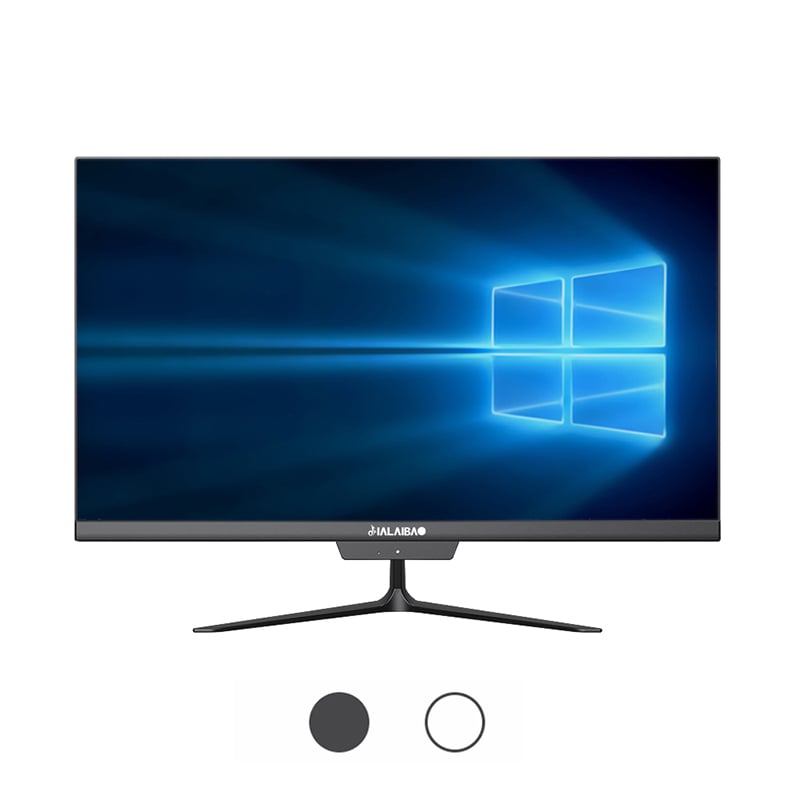
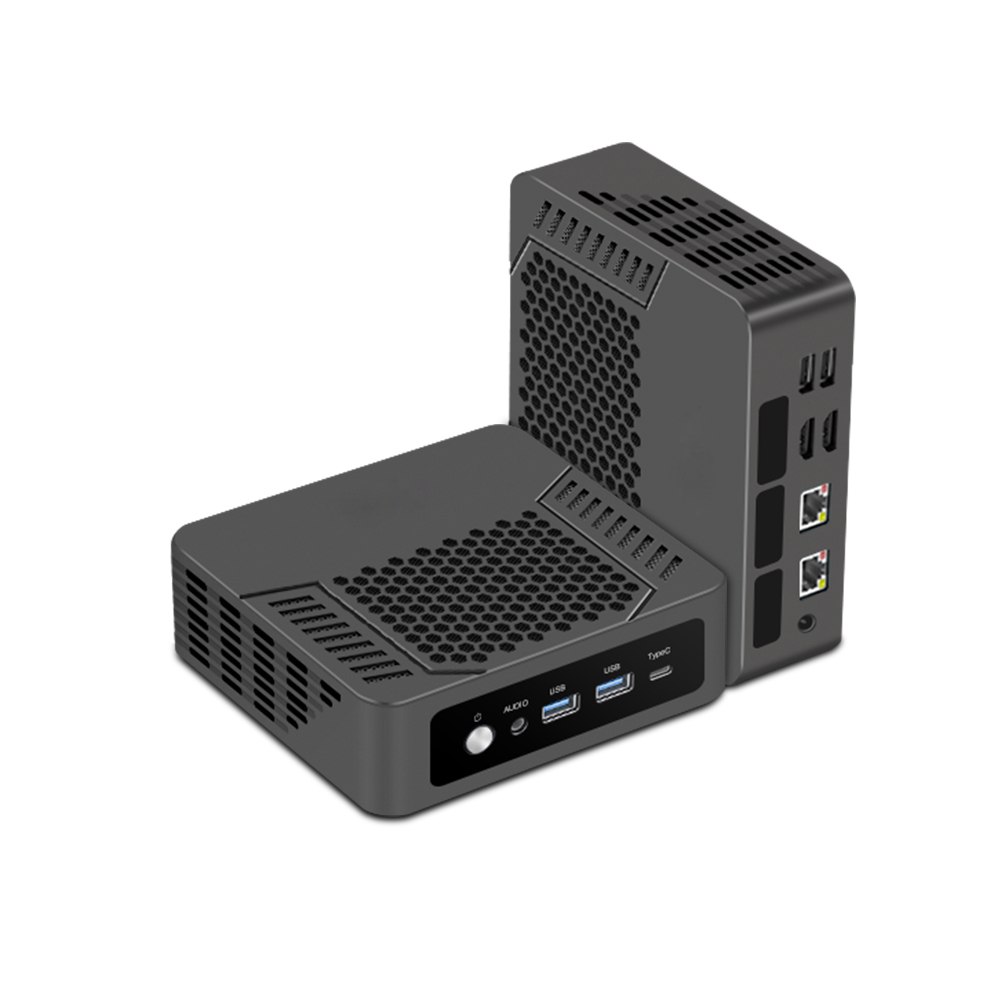
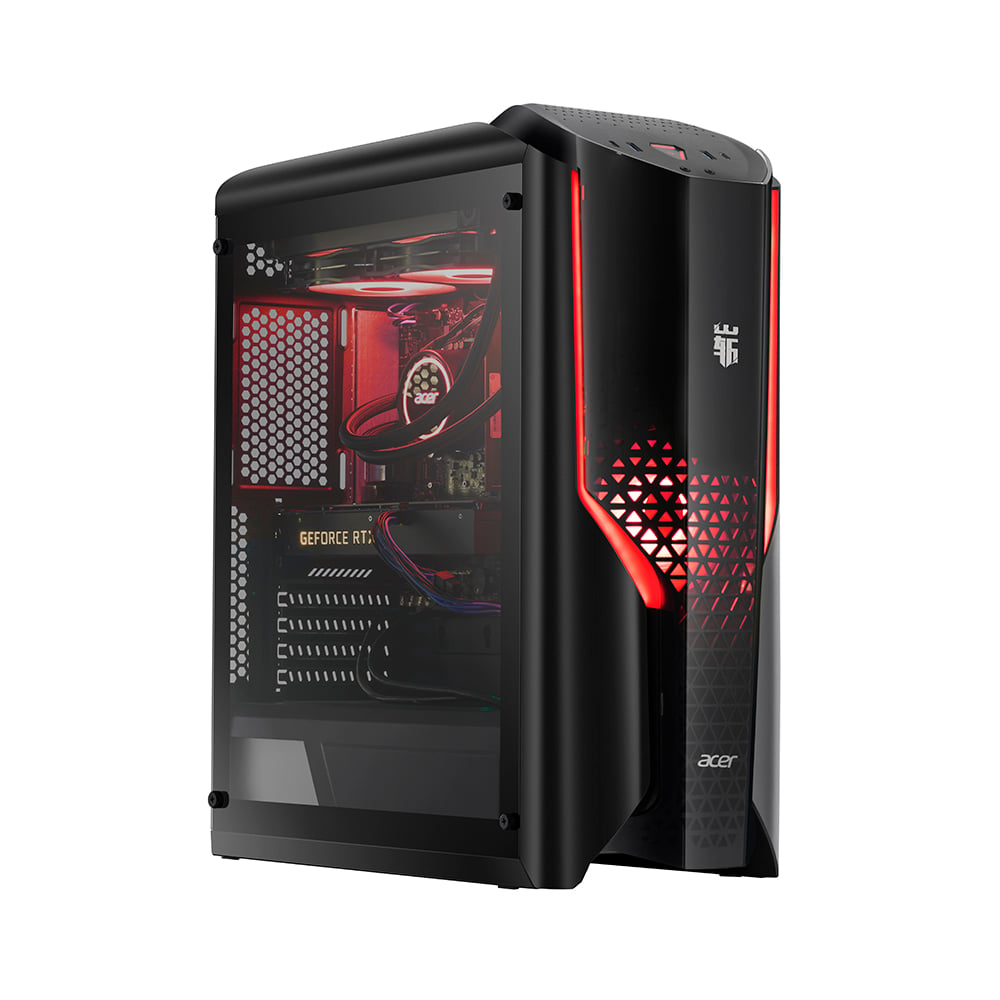
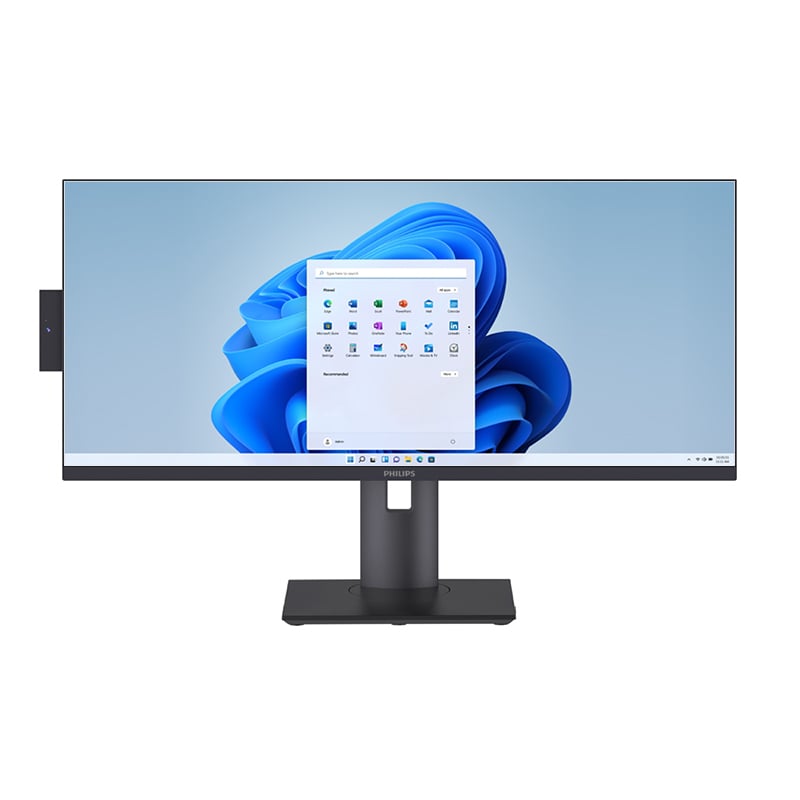
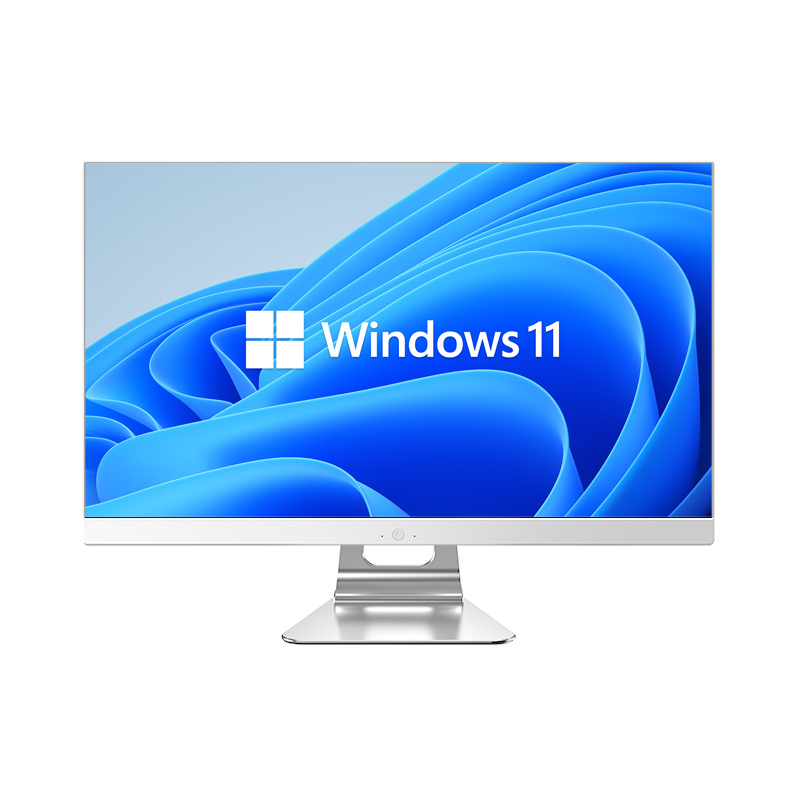
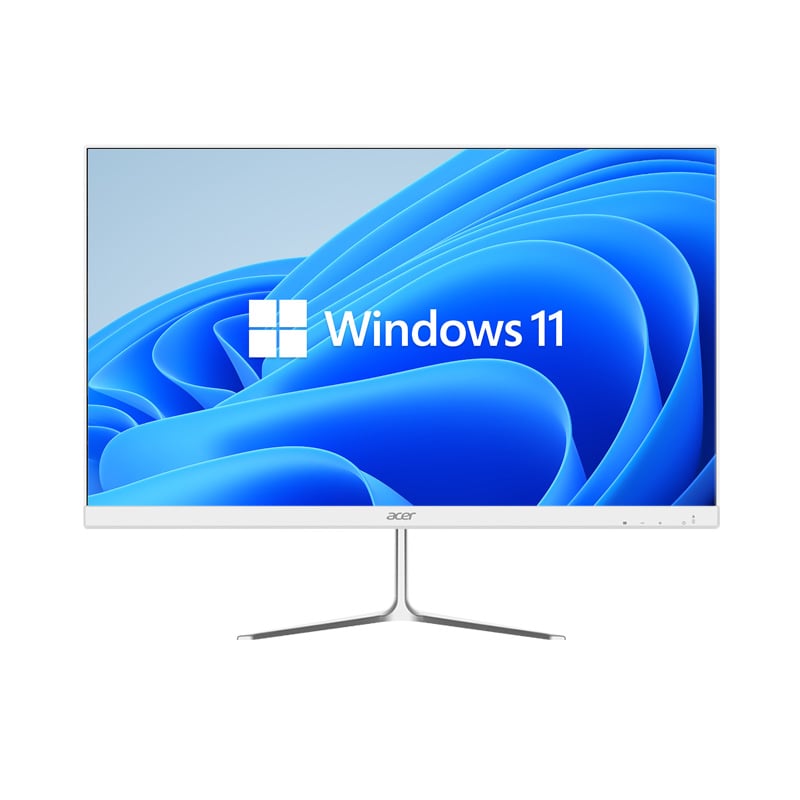
Modern businesses face increasing demands for computing solutions that can adapt and grow with their evolving needs. An All-in-one PC represents a sophisticated approach to business computing, combining processing power, display technology, and expandability features within a single streamlined unit. These integrated systems have emerged as compelling alternatives to traditional desktop configurations, offering unique advantages for organizations seeking long-term hardware scalability. Understanding how an All-in-one PC supports future growth requirements becomes essential for businesses planning their technology infrastructure investments.
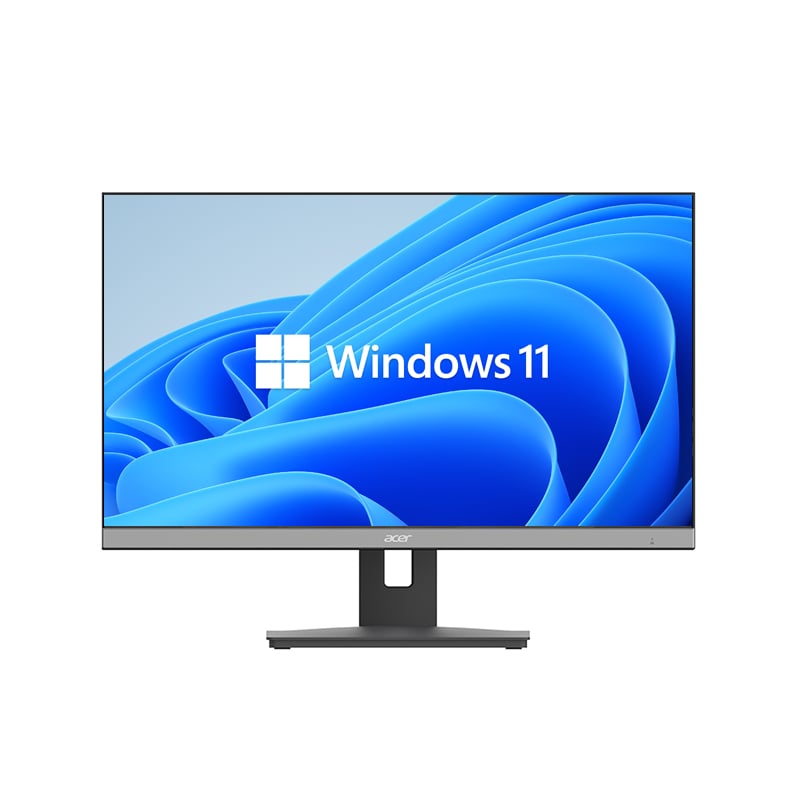
The fundamental architecture of an All-in-one PC integrates multiple computing components behind the display panel, creating opportunities for strategic hardware upgrades without compromising workspace efficiency. Modern business-grade All-in-one PC units incorporate modular internal designs that facilitate component replacement and enhancement. This architectural approach enables organizations to extend system lifecycles through targeted upgrades rather than complete system replacements. The integrated nature of these systems does not inherently limit scalability when manufacturers design expansion pathways into the original specifications.
Professional All-in-one PC models feature accessible internal compartments that accommodate memory upgrades, storage expansion, and specialized card installations. These design considerations reflect manufacturer understanding of business requirements for long-term hardware evolution. The compact footprint characteristic of All-in-one PC systems actually enhances scalability planning by reducing space constraints that might otherwise limit expansion options. Organizations can implement hardware roadmaps that leverage the consistent form factor while progressively enhancing internal capabilities.
Contemporary All-in-one PC systems incorporate multiple memory slots and diverse storage interfaces to support expanding data processing requirements. Standard configurations typically include accessible SODIMM slots that allow businesses to increase system RAM from baseline specifications to maximum supported capacities. This memory scalability proves particularly valuable for businesses experiencing growth in data processing demands or expanding software application portfolios. The ability to upgrade memory without replacing the entire All-in-one PC system provides cost-effective performance enhancement pathways.
Storage scalability in modern All-in-one PC designs extends beyond traditional hard drive replacement scenarios. Many business-focused models integrate multiple storage interfaces including M.2 NVMe slots, SATA connections, and external expansion ports. This multi-interface approach enables organizations to implement tiered storage strategies that balance performance requirements with capacity needs. Businesses can begin with standard storage configurations and progressively add high-performance drives or expanded capacity modules as operational demands evolve.
Professional All-in-one PC models emphasize comprehensive connectivity options that accommodate both current requirements and anticipated future standards. These systems typically integrate multiple USB generations, Thunderbolt interfaces, and specialized business ports within the display housing. The concentration of diverse interface types within a single All-in-one PC unit simplifies peripheral management while providing expansion flexibility. Organizations benefit from standardized connectivity approaches that reduce cable management complexity and support diverse peripheral ecosystems.
Advanced All-in-one PC designs incorporate modular port configurations that enable interface updates through replaceable modules or expansion cards. This approach ensures that businesses can adapt their All-in-one PC systems to support emerging connectivity standards without complete hardware replacement. The integrated nature of these expansion capabilities maintains the clean aesthetic profile characteristic of All-in-one PC installations while providing technical flexibility. Forward-thinking port design represents a critical component of long-term scalability planning for business computing environments.
Business-oriented All-in-one PC systems integrate advanced networking capabilities that support evolving communication requirements and infrastructure standards. These integrated solutions typically combine wireless networking, wired Ethernet connectivity, and specialized business communication interfaces within single units. The networking scalability of All-in-one PC systems extends beyond basic internet connectivity to include support for enterprise networking protocols, security standards, and bandwidth management features.
Enterprise All-in-one PC configurations often include provisions for networking hardware upgrades through replaceable wireless modules and ethernet interface cards. This modularity enables organizations to enhance network performance capabilities without replacing entire systems. The integrated networking approach characteristic of All-in-one PC designs simplifies network infrastructure management while maintaining scalability options for future communication standard adoption.
While traditional desktop systems offer extensive processor upgrade options, modern All-in-one PC designs incorporate alternative performance scaling approaches that address business scalability requirements. Many professional All-in-one PC models feature socketed processors that enable CPU upgrades within compatible processor families. This upgrade capability allows organizations to enhance computational performance without complete system replacement. The thermal management systems integrated into All-in-one PC designs often accommodate higher-performance processors through efficient cooling solutions.
Graphics performance scalability represents another critical consideration for businesses utilizing All-in-one PC systems for diverse applications. Advanced models integrate dedicated graphics modules or provide expansion slots for discrete graphics cards. This graphics scalability proves essential for organizations whose computing requirements may evolve to include design applications, data visualization, or multimedia processing tasks. The ability to enhance graphics capabilities within existing All-in-one PC installations provides cost-effective performance upgrade pathways.
The scalability advantages of All-in-one PC systems extend through sophisticated peripheral integration capabilities that support expanding business functionality requirements. These systems accommodate external processing units, specialized input devices, and industry-specific hardware through comprehensive port configurations and expansion interfaces. The centralized design of All-in-one PC installations actually facilitates peripheral management by providing consolidated connection points for diverse business equipment.
External expansion ecosystems for All-in-one PC systems include docking stations, hub solutions, and specialized interface adapters that extend system capabilities without compromising the integrated design philosophy. These expansion options enable businesses to add functionality such as additional displays, specialized storage systems, or industry-specific hardware while maintaining the space efficiency characteristics of All-in-one PC installations.
The integrated design philosophy of All-in-one PC systems provides distinct advantages for business continuity planning through simplified maintenance procedures and reduced component complexity. Businesses can implement standardized maintenance protocols across All-in-one PC installations, reducing training requirements and service complexity. The consolidated hardware configuration characteristic of All-in-one PC systems simplifies troubleshooting procedures and reduces potential failure points compared to multi-component desktop configurations.
Serviceability features integrated into business-grade All-in-one PC designs include tool-free access panels, modular component designs, and comprehensive diagnostic systems. These features enable organizations to perform routine maintenance and component upgrades with minimal technical expertise requirements. The serviceability advantages of All-in-one PC systems contribute to reduced total cost of ownership through simplified maintenance procedures and extended system lifecycles.
Organizations utilizing All-in-one PC systems can implement progressive technology refresh strategies that balance performance requirements with budget constraints. The modular upgrade capabilities characteristic of modern All-in-one PC designs enable businesses to extend system lifecycles through targeted component enhancements rather than complete replacements. This approach provides cost-effective paths for maintaining competitive technology capabilities while maximizing infrastructure investments.
Migration planning for All-in-one PC environments benefits from standardized form factors and consistent interface configurations across product generations. Businesses can develop technology roadmaps that leverage the space efficiency and integration advantages of All-in-one PC systems while ensuring compatibility with existing infrastructure and peripheral investments. The predictable upgrade pathways available through All-in-one PC systems simplify long-term technology planning and budget allocation processes.
The scalability features integrated into modern All-in-one PC systems directly impact total cost of ownership calculations through reduced infrastructure requirements and simplified management procedures. Organizations can achieve lower per-workstation costs through the space efficiency and reduced cabling complexity characteristic of All-in-one PC installations. The integrated approach eliminates separate monitor purchases, reduces power consumption through shared components, and simplifies workspace setup procedures.
Long-term cost optimization through All-in-one PC scalability extends beyond initial purchase considerations to include reduced maintenance costs, simplified inventory management, and standardized training requirements. The upgrade pathways available through All-in-one PC systems enable organizations to defer major technology investments while maintaining competitive performance capabilities. This financial flexibility proves particularly valuable for businesses managing technology budgets across multiple budget cycles.
The modular design philosophy incorporated into business-grade All-in-one PC systems provides investment protection through component-level upgrade capabilities that extend system lifecycles. Organizations can protect their technology investments by upgrading specific components such as memory, storage, or networking interfaces rather than replacing entire systems. This approach enables businesses to respond to changing performance requirements while preserving existing infrastructure investments.
Strategic component upgrade planning for All-in-one PC systems enables organizations to align technology enhancements with business growth cycles and budget availability. The predictable upgrade pathways characteristic of well-designed All-in-one PC systems simplify technology planning processes and enable more accurate long-term budget forecasting. Investment protection through modular upgrades represents a significant advantage for organizations seeking to maximize technology return on investment.
Modern business-grade All-in-one PC systems offer substantial upgrade capabilities including memory expansion, storage enhancement, and peripheral integration options. While the upgrade pathways differ from traditional desktop systems, professional All-in-one PC models incorporate modular designs that support component replacement and system enhancement. The key difference lies in the upgrade methodology rather than the ultimate scalability potential, with All-in-one PC systems emphasizing efficient space utilization and integrated expansion capabilities.
Successful long-term planning for All-in-one PC implementations involves assessing current performance requirements, projecting future growth scenarios, and selecting systems with appropriate expansion capabilities. Organizations should evaluate memory upgrade options, storage scalability features, and connectivity expansion possibilities when choosing All-in-one PC models. Effective planning also includes establishing component upgrade schedules that align with business growth cycles and technology refresh budget allocations.
All-in-one PC systems deliver significant space efficiency advantages through integrated designs that eliminate separate tower units and reduce cable management requirements. The consolidated form factor enables businesses to maximize workspace utilization while maintaining full computing capabilities. These space advantages become particularly valuable in modern office environments where real estate costs represent significant operational expenses and flexible workspace configurations support diverse business requirements.
All-in-one PC systems facilitate rapid scaling through standardized configurations, simplified deployment procedures, and consistent management interfaces. Organizations can quickly expand their technology infrastructure by adding identical All-in-one PC units without complex integration requirements. The plug-and-play nature of these systems, combined with centralized management capabilities, enables businesses to respond quickly to growth opportunities or changing operational requirements while maintaining technology consistency across their infrastructure.
 EN
EN
 AR
AR
 BG
BG
 HR
HR
 CS
CS
 DA
DA
 NL
NL
 FR
FR
 DE
DE
 EL
EL
 HI
HI
 IT
IT
 JA
JA
 KO
KO
 NO
NO
 PL
PL
 PT
PT
 RO
RO
 RU
RU
 ES
ES
 SV
SV
 TL
TL
 IW
IW
 ID
ID
 SR
SR
 SK
SK
 VI
VI
 HU
HU
 TH
TH
 TR
TR
 FA
FA
 AF
AF
 MS
MS
 SW
SW
 UR
UR
 BN
BN
 HA
HA
 KM
KM
 MN
MN
 UZ
UZ