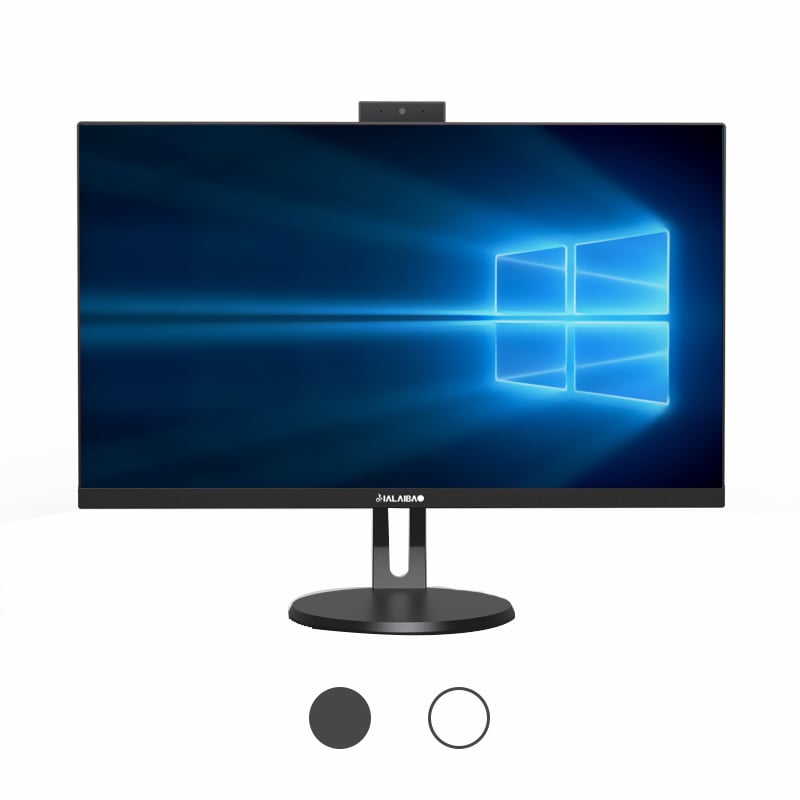
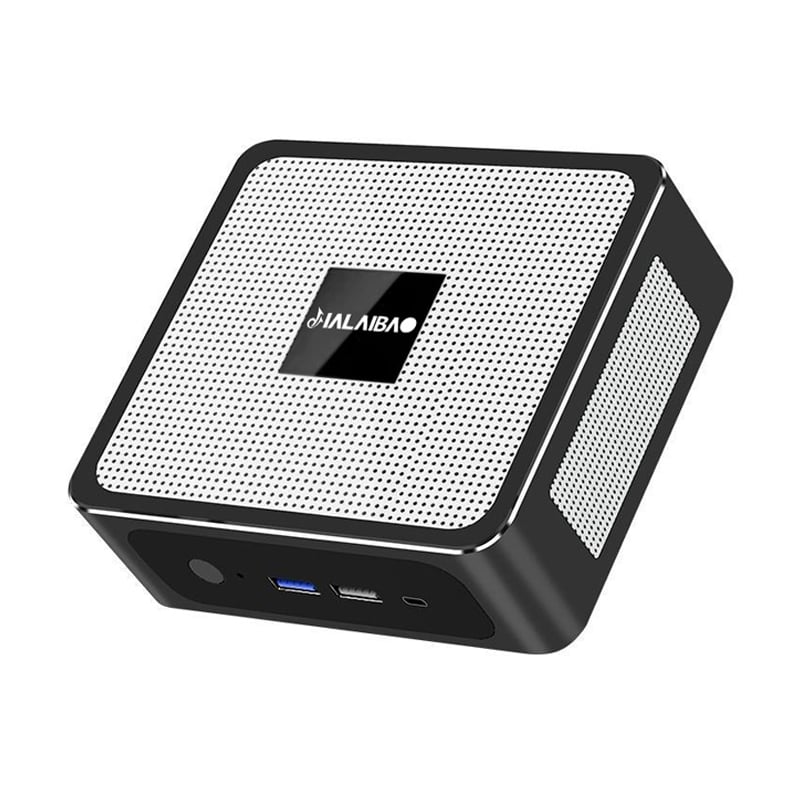
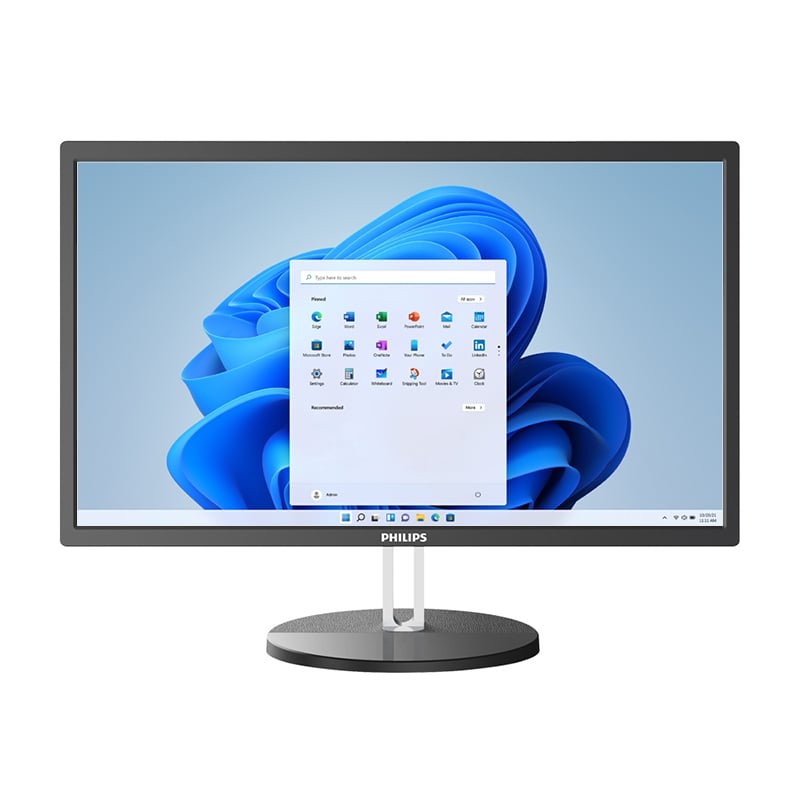
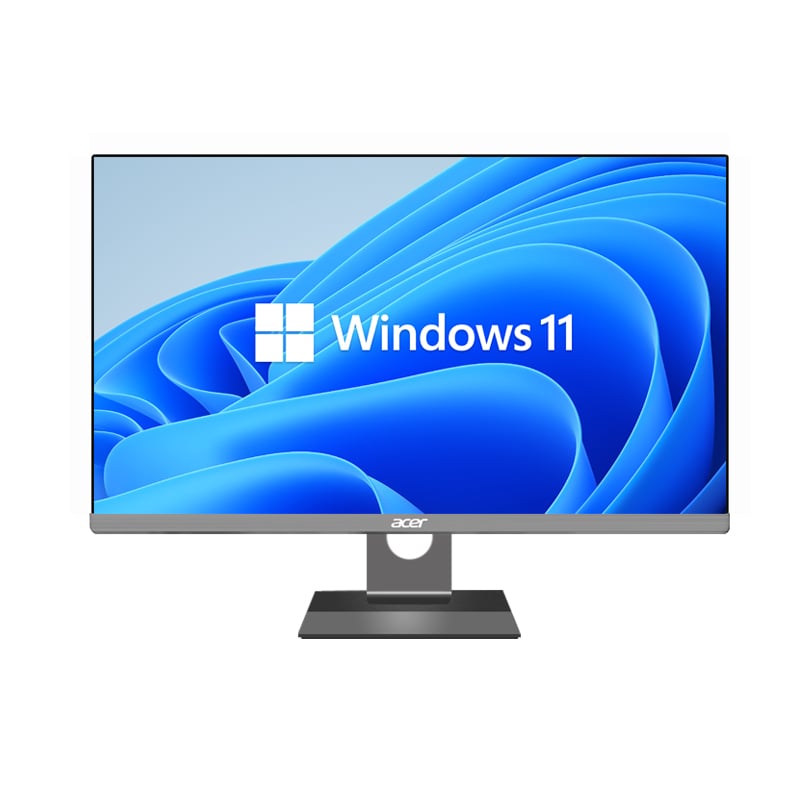
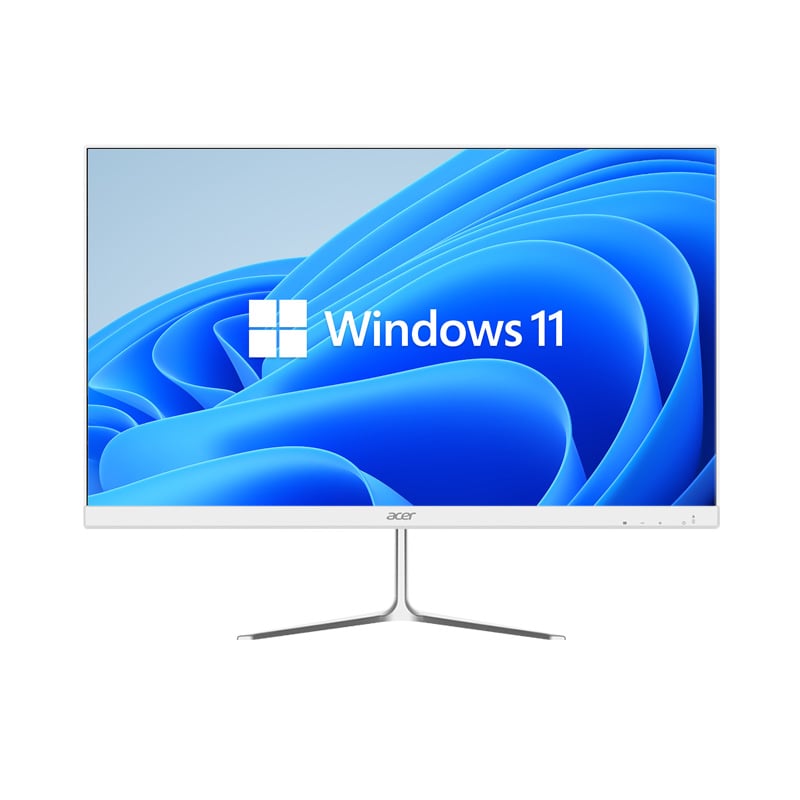
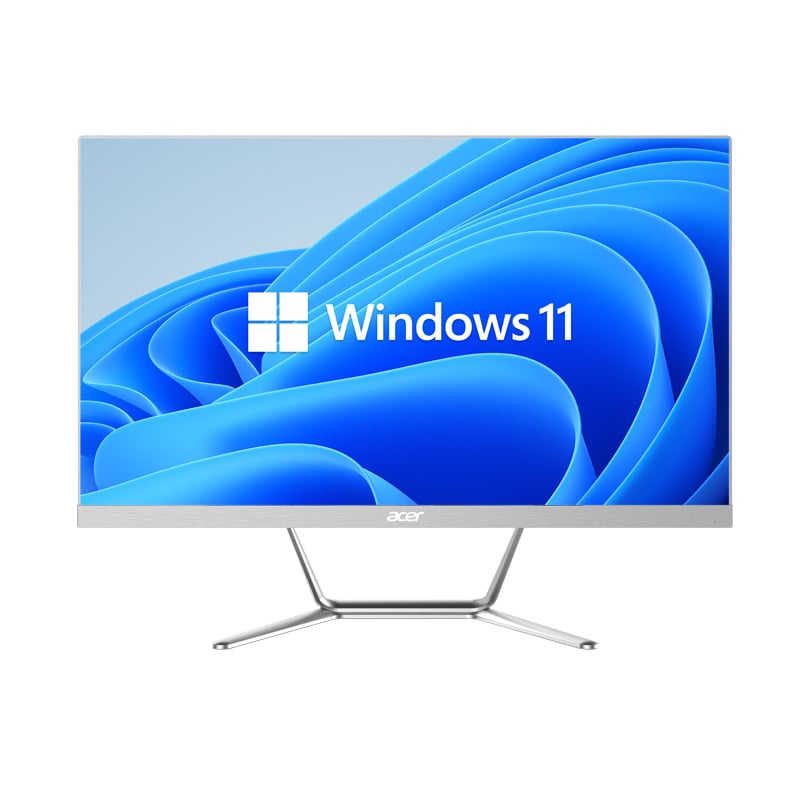
Modern office spaces are shrinking, and with them comes a growing demand for computing solutions that deliver serious performance without consuming valuable desk real estate. The PC mini desktop has emerged as one of the most practical answers to this challenge, offering businesses a way to equip their teams with capable machines that fit seamlessly into tight workspaces. Whether you are outfitting a co-working hub, a small business office, or a high-density corporate floor, the PC mini desktop is redefining what efficient computing looks like in the modern workplace.
The appeal of a PC mini desktop goes well beyond its physical size. These compact machines have matured into fully capable workstations that support multitasking, connectivity, and energy-efficient operation — all qualities that matter enormously in environments where space, power consumption, and productivity are tightly managed. As businesses look for smarter ways to optimize their office infrastructure, understanding why a PC mini desktop is the ideal choice for compact environments becomes essential for any decision-maker evaluating their next hardware investment.
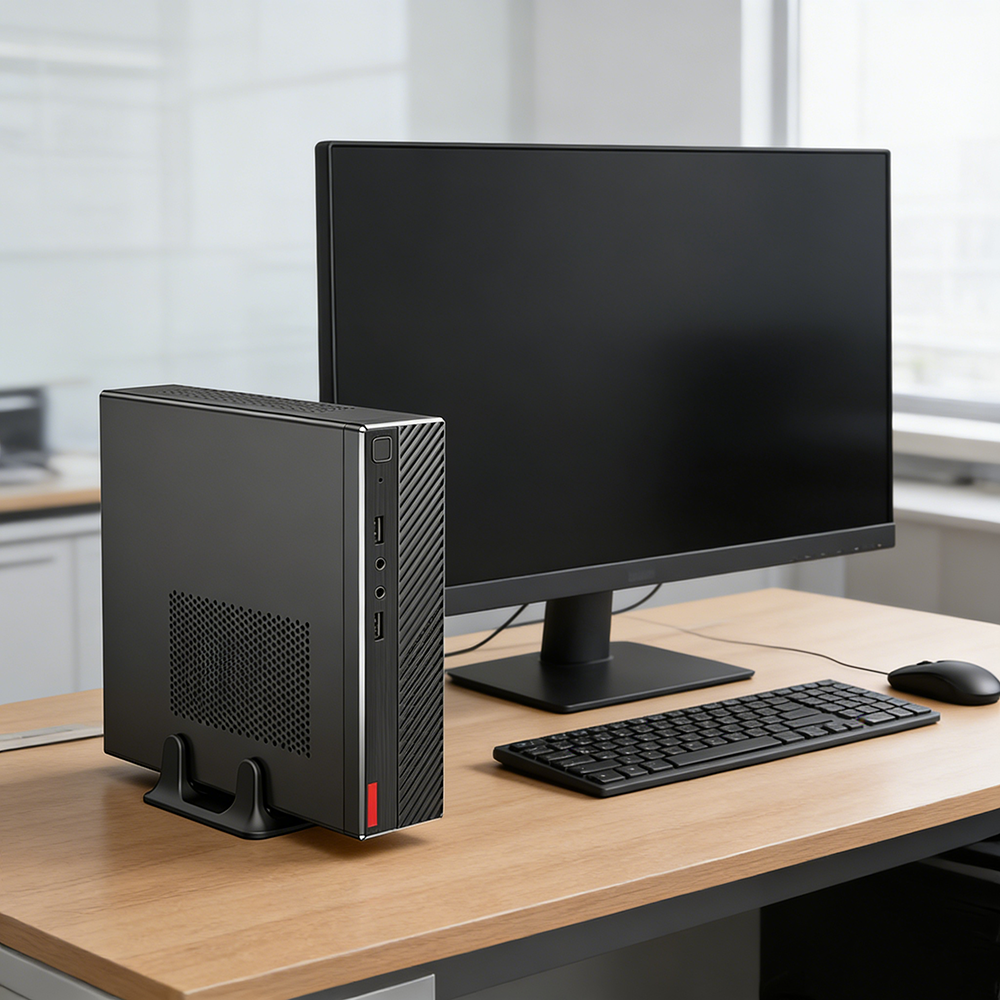
One of the most immediate and visible benefits of adopting a PC mini desktop in a compact office is the dramatic reduction in hardware footprint. Traditional tower desktops can occupy a significant portion of a workstation, forcing employees to work around bulky enclosures or relocate them to the floor where they collect dust and restrict airflow. A PC mini desktop, by contrast, typically measures just a few inches in each dimension, freeing up the desk surface for monitors, peripherals, documents, and other work essentials.
In offices where every square foot carries a cost, this spatial efficiency translates directly into financial value. A compact office environment configured with PC mini desktop units can accommodate more workstations within the same floor plan, increasing workforce density without requiring expensive expansion or renovation. This makes the PC mini desktop not just a hardware preference but a strategic business decision tied to real estate and operational efficiency.
The slim profile of a PC mini desktop also allows for creative mounting options. Many models support VESA mounting brackets, enabling the unit to be affixed directly to the back of a monitor. This arrangement eliminates the desktop unit from the workspace entirely, creating a cleaner, more professional appearance while keeping all cables managed and organized behind the display.
Compact office environments often feature non-standard layouts — shared benching systems, enclosed cubicles, reception counters, or narrow workstations where a conventional desktop simply cannot fit. The PC mini desktop thrives in exactly these conditions. Its small form factor allows it to be placed in overhead shelves, mounted under desks, or tucked neatly behind monitors without interrupting the flow of the workspace.
This flexibility is particularly valuable in environments like call centers, retail back offices, or medical reception areas where computing needs are consistent but space is perpetually constrained. A PC mini desktop can be deployed uniformly across all these stations with minimal installation complexity, creating a standardized, clean computing environment that is easy to manage and scale.
A common misconception is that compact form factor machines compromise on performance. Modern PC mini desktop solutions have long surpassed this limitation. Today's PC mini desktop units are powered by the same generation of processors found in full-sized desktop machines, capable of handling demanding productivity applications, video conferencing, spreadsheet processing, web browsing, and document management with ease.
For the majority of office workflows — email, cloud applications, ERP access, CRM software, and communication tools — a well-configured PC mini desktop delivers entirely sufficient computational power. Businesses no longer need to choose between compact form factor and capable performance; modern PC mini desktop hardware bridges that gap convincingly.
Many PC mini desktop models also support upgradeable RAM and storage, allowing IT departments to configure each unit according to role-specific requirements. A data entry workstation may require modest resources, while a finance analyst's station might demand more memory and faster storage. The PC mini desktop accommodates both scenarios within the same hardware platform, simplifying procurement and inventory management.
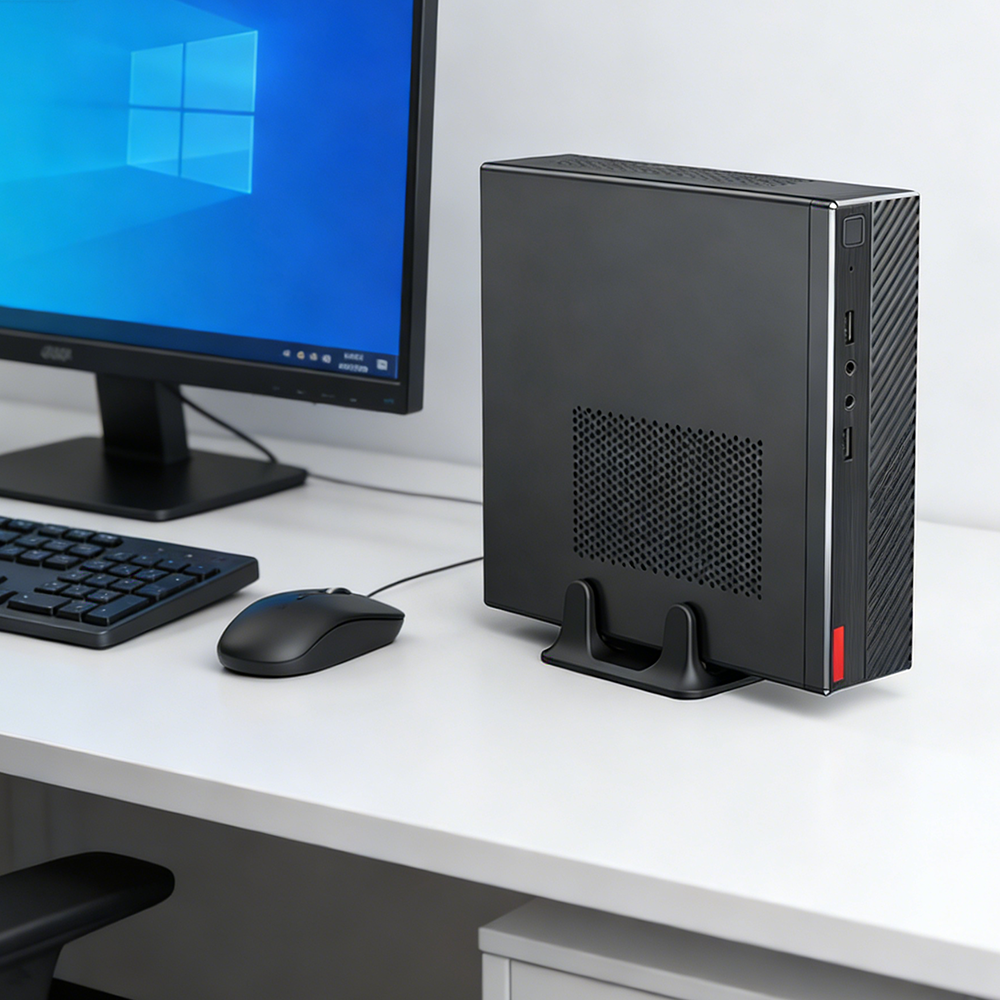
Despite their small size, PC mini desktop units typically offer an impressive array of connectivity options. Multiple display outputs, USB ports, audio jacks, Ethernet, and wireless connectivity are standard on most modern PC mini desktop configurations. This means employees working in compact offices do not need to sacrifice functionality — they can connect dual monitors, external drives, keyboards, mice, and other peripherals without encountering connectivity bottlenecks.
For offices that have transitioned to remote collaboration tools, video conferencing platforms, or cloud-based workflows, the PC mini desktop provides all the ports and wireless capabilities needed to support these modern working patterns. The compact chassis conceals a surprisingly well-equipped connectivity profile that meets the demands of today's digitally connected workplace.
One of the most compelling financial arguments for deploying a PC mini desktop across a compact office environment is its substantially lower power consumption compared to traditional tower desktops. A typical tower desktop may draw anywhere from 150 to 300 watts under load, while a PC mini desktop performing equivalent productivity tasks often draws a fraction of that — commonly between 15 and 65 watts depending on configuration and workload.
Multiplied across an entire office of workstations, this energy savings compounds significantly. For a business running 30 workstations eight hours per day, switching from tower desktops to PC mini desktop units can yield measurable reductions in monthly electricity costs. Over a multi-year hardware lifecycle, these savings contribute to a lower total cost of ownership that makes the PC mini desktop a financially sound investment.
Beyond direct energy savings, the reduced heat output of a PC mini desktop also lowers the cooling burden on the office's HVAC system. In compact environments where heat accumulation from multiple machines can create uncomfortable working conditions, this thermal efficiency is a meaningful operational benefit that supports both employee comfort and system reliability.
A PC mini desktop typically contains fewer moving parts than a conventional tower, which translates to lower mechanical failure rates and reduced maintenance requirements over time. Many PC mini desktop designs use fanless or low-fan cooling architectures that produce less noise and generate fewer potential failure points. For IT teams managing hardware across a compact office environment, this reliability simplifies upkeep and reduces the frequency of hardware interventions.
The standardized, compact nature of the PC mini desktop also streamlines the spare parts inventory and replacement process. Because these units are uniform in size and interface design, swapping out a faulty machine requires minimal downtime. A replacement PC mini desktop can be configured and installed quickly, minimizing productivity disruption — an important advantage in business environments where uptime is directly tied to revenue.
The visual environment of a modern office communicates a great deal about the professionalism and culture of a business. Cluttered workstations with oversized towers, tangled cables, and mismatched equipment send a very different message than clean, organized desks equipped with streamlined PC mini desktop units. For businesses that receive clients or partners in their offices, the aesthetic quality of the workspace matters.
A PC mini desktop contributes directly to this cleaner visual profile. Its compact, often minimalist design fits naturally into modern office aesthetics, whether mounted behind a monitor or placed discreetly on a shelf. Combined with proper cable management, a workstation built around a PC mini desktop presents a polished, organized appearance that reflects positively on the business and creates a more pleasant environment for employees as well.
Compact offices that are growing face the challenge of adding computing capacity without proportionally expanding their physical footprint. The PC mini desktop is one of the most scalable solutions available in this context. Adding new workstations powered by PC mini desktop units requires minimal additional space and no structural changes to the office environment. New employees can be onboarded quickly with standardized configurations that replicate existing setups efficiently.
This scalability also applies to hardware refreshes. When it is time to upgrade the office computing fleet, PC mini desktop units are easy to remove, replace, and recycle due to their compact size. The transition from one generation of hardware to the next is far less disruptive than replacing tower systems, allowing businesses to stay current with technology without enduring prolonged operational interruptions.
Yes, a modern PC mini desktop is fully capable of running the productivity software, communication tools, cloud applications, and web-based platforms that make up the majority of office workloads. While it may not be designed for intensive graphics rendering or heavy computational tasks, it excels at the everyday business applications that compact office environments depend on.
Most current PC mini desktop models support at least two display outputs, allowing users to connect dual monitors for expanded screen real estate. This capability makes the PC mini desktop suitable for roles that require multitasking across multiple windows, such as finance, administration, customer service, and project management.
A PC mini desktop reduces total cost of ownership through lower energy consumption, reduced cooling requirements, fewer mechanical components prone to failure, and simpler maintenance workflows. Over a three-to-five-year hardware lifecycle, these factors combine to deliver meaningful savings in both direct operating costs and IT support overhead.
Absolutely. The PC mini desktop is designed with scalability in mind. Its standardized form factor makes it easy to add, replace, or upgrade units as the business grows. The combination of space efficiency, performance adequacy, and low operational costs makes the PC mini desktop a sustainable, long-term computing solution for offices that need to grow intelligently within limited physical space.
 EN
EN
 AR
AR
 BG
BG
 HR
HR
 CS
CS
 DA
DA
 NL
NL
 FR
FR
 DE
DE
 EL
EL
 HI
HI
 IT
IT
 JA
JA
 KO
KO
 NO
NO
 PL
PL
 PT
PT
 RO
RO
 RU
RU
 ES
ES
 SV
SV
 TL
TL
 IW
IW
 ID
ID
 SR
SR
 SK
SK
 VI
VI
 HU
HU
 TH
TH
 TR
TR
 FA
FA
 AF
AF
 MS
MS
 SW
SW
 UR
UR
 BN
BN
 HA
HA
 KM
KM
 MN
MN
 UZ
UZ