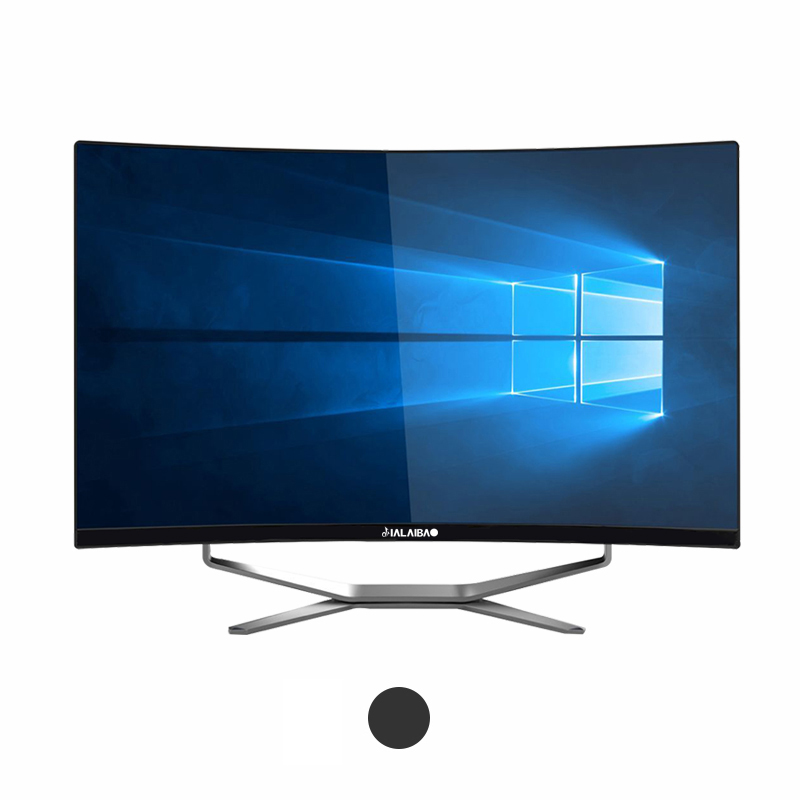
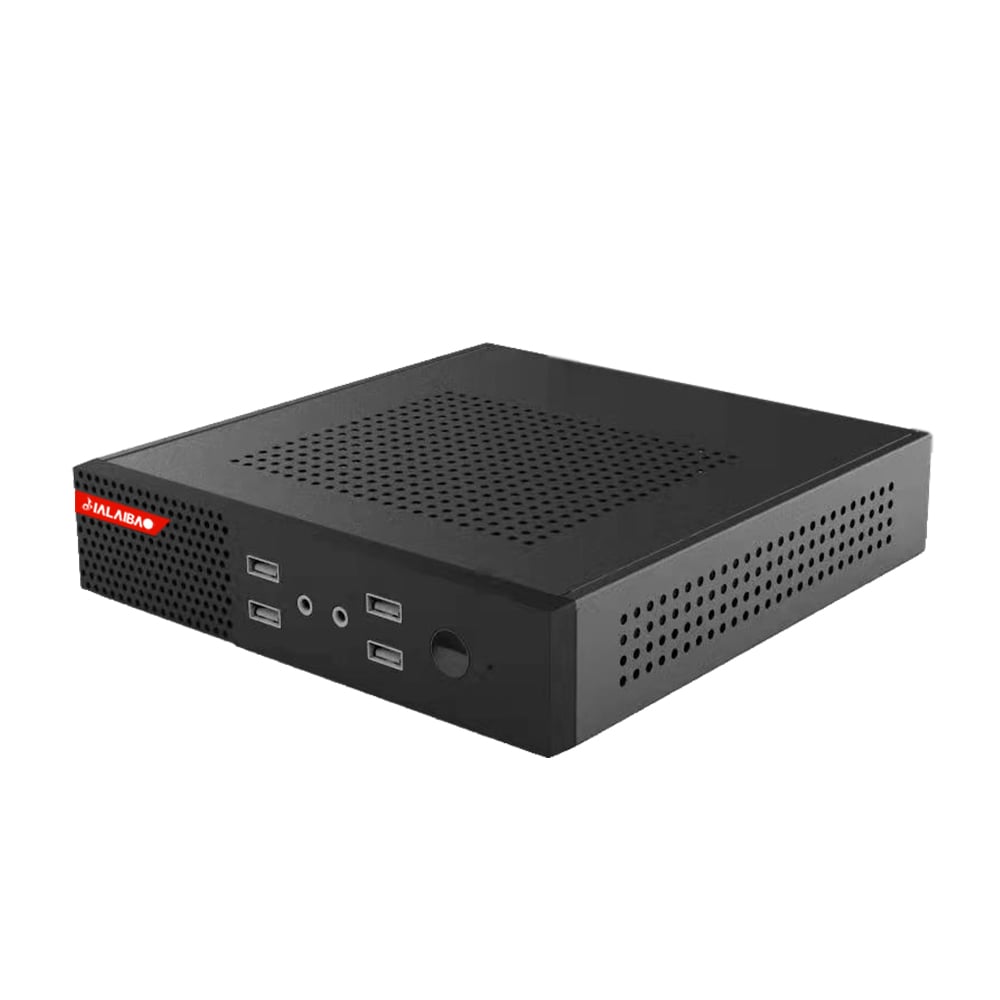
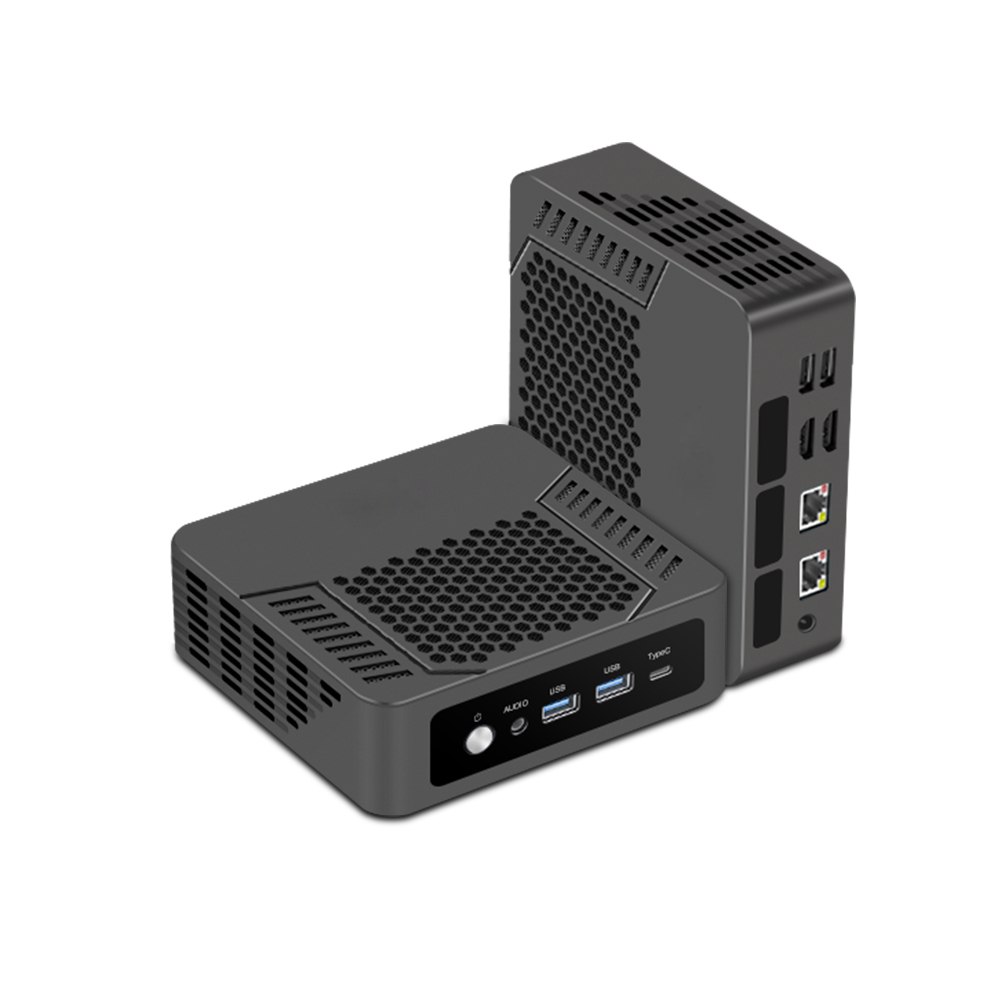
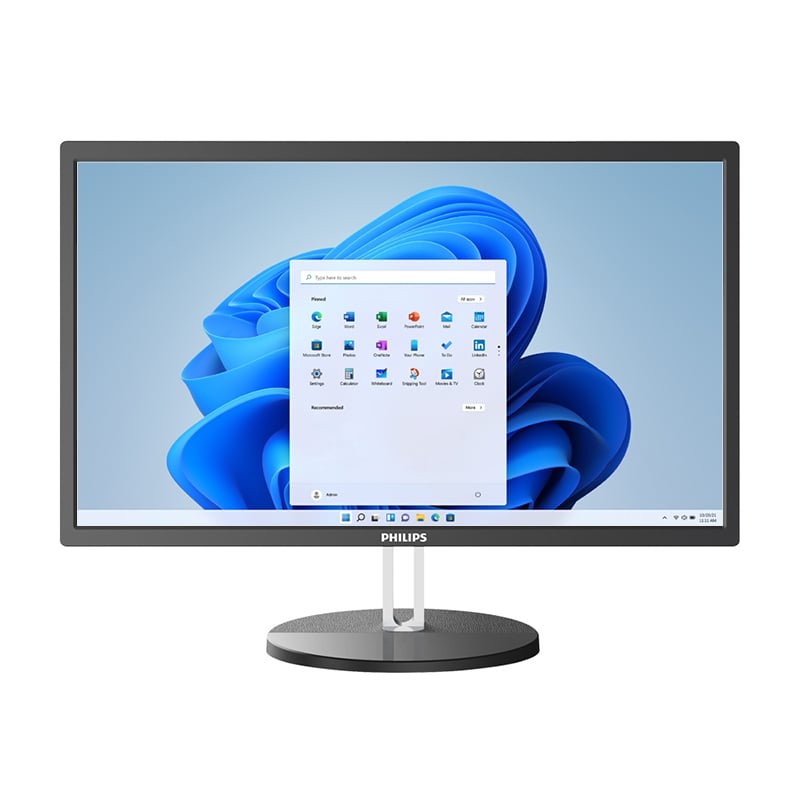
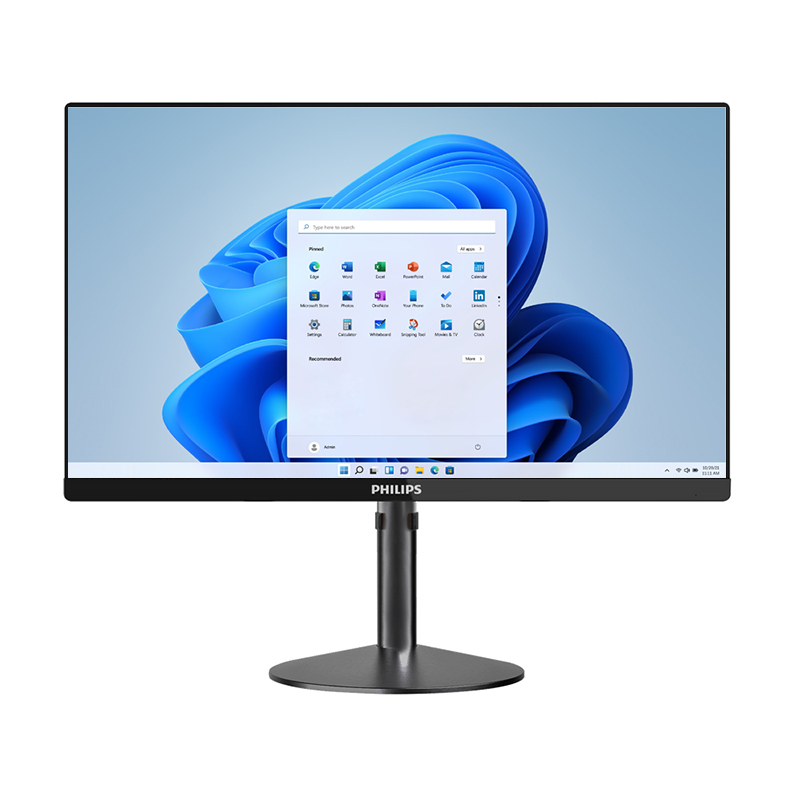
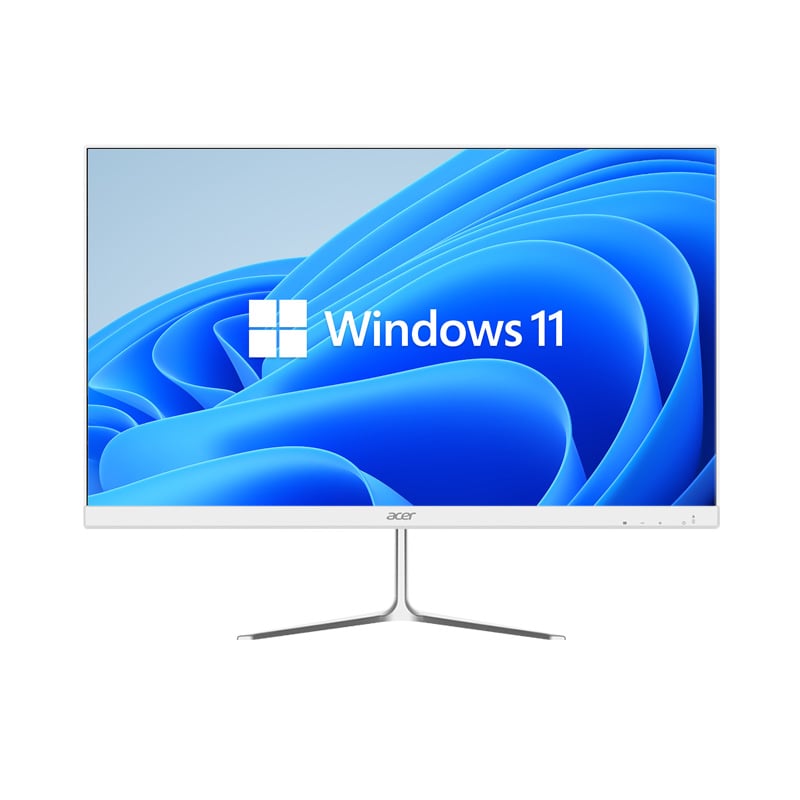
ផ្នែកបច្ចេកវិទ្យាព័ត៌មាននៅទូទាំងឧស្សាហកម្ម កំពុងប្រែប្រួលទៅរកប្រព័ន្ធកុំព្យូទ័រតូចៗជាដំណោះស្រាយយុទ្ធសាស្ត្រសម្រាប់ការដំឡើងស្ថានីយ៍ធ្វើការទំនើប។ ការផ្លាស់ប្តូរនេះតំណាងឱ្យការផ្លាស់ប្តូរមូលដ្ឋាននៃរបៀបដែលអង្គការទទួលយកហេដ្ឋារចនាសម្រាប់កុំព្យូទ័រផ្ទាល់ខ្លួន ដែលបណ្តាលមកពីអត្ថប្រយោជន៍ដែលគួរឱ្យចាប់អារម្មណ៍ ដូចជាប្រសិទ្ធភាពក្នុងការប្រើប្រាស់ទីកន្លែង ការប្រើប្រាស់ថាមពល និងថ្លៃដើមសរុបនៃការទិញ។ អត្រាប្រើប្រាស់ប្រព័ន្ធកុំព្យូទ័រតូចៗបានកើនឡើងយ៉ាងឆាប់រហ័ស ដោយសារតែក្រុមបច្ចេកវិទ្យាព័ត៌មានបានយល់ឃើញពីសក្ដានុពលរបស់វាក្នុងការដោះស្រាយបញ្ហាប្រតិបត្តិការច្រើនប្រភេទ ខណៈពេលដែលនៅតែរក្សាបានស្តង់ដារប្រសិទ្ធភាពដែលត្រូវការសម្រាប់លំហូរការងារវិជ្ជាជីវៈ។
ការសម្រេចចិត្តដាក់ប្រព័ន្ធកុំព្យូទ័រតូចបានមកពីកត្តាជាច្រើនដែលធ្វើអោយប្រព័ន្ធប្រតិបត្តិការ Desktop Tower ជាប្រពៃណីកាន់តែមិនសូវមានប្រសិទ្ធភាពសម្រាប់បរិយាកាសអាជីវកម្មទំនើប។ ក្រុមការងារ IT មានតួនាទីក្នុងការបង្កើនការប្រើប្រាស់ទីកន្លែងធ្វើការ កាត់បន្ថយការប្រើប្រាស់ និងគាំទ្រម៉ូដែលការងារ Hybrid ខណៈពេលធានាថាមានលទ្ធផលនៃការប្រតិបត្តិការជាក់លាក់។ ប្រព័ន្ធកុំព្យូទ័រ Mini ទប់ទល់នឹងតម្រូវការទាំងនេះដោយផ្តល់នូវទម្រង់ទំហំតូច ដែលផ្តល់នូវសមត្ថភាពថ្នាក់ក្រុមហ៊ុនដោយគ្មានការទាមទារផ្នែកខាងរូបរាងកាយនិងហេដ្ឋារចនាសម្ព័ន្ធនៃកុំព្យូទ័រ desktop ធម្មតា។ ការយល់ដឹងពីចលនាពិសេសដែលនៅពីក្រោយការអនុម័តនេះបង្ហាញថា ហេតុអ្វីបានជាប្រព័ន្ធទាំងនេះបានក្លាយជាផ្នែកសំខាន់នៃយុទ្ធសាស្ត្រ IT សម័យថ្មី។
ការរចនាប៉ាក់ស្តាយទំនើបផ្តោតលើការរៀបចំប៉ាក់ស្តាយដែលមានភាពអាចប្រែប្រួលបាន និងបើកចំហ ដើម្បីបង្កើនការសហការ និងភាពអាចប្រែប្រួលបានឱ្យបានច្រើនបំផុត។ កុំព្យូទ័រប្រភេទធំបែបប្រពៃណី (desktop towers) ប្រើប្រាស់ទីតាំងលើផ្ទះបាក់ស្តាយដែលមានតម្លៃខ្ពស់ ហើយកំណត់ជម្រើសក្នុងការរៀបចំគ្រឿងសង្ហារឹម ដែលបង្កើនបញ្ហាដល់ក្រុម IT ដែលមានភារកិច្ចគាំទ្រប៉ាក់ស្តាយដែលមានភាពចល័ត។ ប្រព័ន្ធកុំព្យូទ័រប្រភេទតូច (mini computer systems) ដោះស្រាយបញ្ហាទាំងនេះដោយភ្ជាប់ដោយផ្ទាល់នៅពីក្រោយអេក្រាន នៅក្រោមតុ ឬក្នុងការរៀបចំប៉ាក់ស្តាយប្រភេទតូចដែលភ្ជាប់នៅលើជញ្ជាំង។ ប្រសិទ្ធភាពនៃការប្រើប្រាស់ទីតាំងនេះអនុញ្ញាតឱ្យអង្គការដាក់គ្រឿងបរិក្ខារបានច្រើនជាងមុនក្នុងតំបន់តូចៗ ខណៈដែលរក្សាបាននូវរូបរាងដែលស្អាត និងវិជ្ជាជីវៈ ដែលស៊ីគ្នាជាមួយគោលការណ៍រចនាប៉ាក់ស្តាយទំនើប។
ការបន្ថយផ្ទៃក្នុងការប្រើប្រាស់របស់ប្រព័ន្ធកុំព្យូទ័រតូចៗ មិនត្រឹមតែមានឥទ្ធិពលលើការដាក់ប្រើប្រាស់នៅតាមកន្លែងធ្វើការបើកចំហរបស់បុគ្គលប៉ុណ្ណោះទេ ប៉ុន្តែថែមទាំងអាចប៉ះពាល់ដល់យុទ្ធសាស្ត្រសរុបនៃការរៀបចំសំណង់ទាំងមូល។ ផ្នែកបច្ចេកវិទ្យាព័ត៌មាន (IT) អាចដាក់ប្រើប្រាស់ធនធានកុំព្យូទ័របានច្រើនជាងមុននៅក្នុងបន្ទប់ប្រជុំ បន្ទប់បណ្តុះបណ្តាល និងបរិវេណសហការ ដោយគ្មានការត្រូវការកន្លែងដាក់ប្រើប្រាស់ដាច់ដោយឡែកសម្រាប់ប្រព័ន្ធនីមួយៗទេ។ ភាពអាចបត់បែនបាននេះមានតម្លៃជាពិសេសនៅក្នុងបរិយាកាសធ្វើការប្រើកន្លែងរួមគ្នា (hot-desking) ដែលបុគ្គលិកចែករំលែកកន្លែងធ្វើការដោយផ្អែកលើការរៀបចំកាលវិភាគ និងសារប្រយោជន៍ ជាជាងការប្រគល់កន្លែងធ្វើការជាអចិន្ត្រៃយ៍។
ការគ្រប់គ្រងខ្សែកាប គឺជាបញ្ហាប្រតិបត្តិការដែលមានសារៈសំខាន់យ៉ាងខ្លាំងសម្រាប់ក្រុមអ្នកជំនាញ IT ដែលទទួលខុសត្រូវលើការថែទាំបរិស្ថានកុំព្យូទ័រផ្ទាល់ (desktop) បែបប្រពៃណី។ ប្រព័ន្ធកុំព្យូទ័រតូចៗ (mini computer systems) បានកាត់បន្ថយភាពស្មុគស្មាញនៃការភ្ជាប់ខ្សែកាបយ៉ាងខ្លាំង ដោយបានបញ្ចូលជម្រើសភ្ជាប់ច្រើនប្រភេទទៅក្នុងរចនាសម្ព័ន្ធកាបូប (chassis) ដែលមានទំហំតូច។ ការប្រើប្រាស់ខ្សែភ្លើងតិចជាងមុន ការភ្ជាប់ឧបករណ៍បន្ថែម (peripheral) ដែលខ្លីជាងមុន និងសមត្ថភាពឥតខ្សែដែលបានបញ្ចូលទៅក្នុងប្រព័ន្ធបានជួយកាត់បន្ថយហេដ្ឋារចនាសម្ព័ន្ធ ដែលត្រូវការសម្រាប់ការដំឡើងគ្រប់ស្ស្តេយ័រ (workstation) នីមួយៗ។ ការសាមញ្ញភាពនេះ បានធ្វើឱ្យពេលវេលាដំឡើងសាមញ្ញជាងមុន កែលម្អប្រសិទ្ធភាពការថែទាំ និងបង្កើតបរិយាកាសធ្វើការដែលស្អាតជាងមុន ដែលងាយស្រួលក្នុងការកែសម្រួលឡើងវិញ នៅពេលដែលតម្រូវការអាជីវកម្មផ្លាស់ប្តូរ។
តម្រូវការខ្សែភ្លើងដែលបានថយចុះក៏បានបកប្រែទៅជាការថយចុះនៃថ្លៃដើមសម្រាប់ហេដ្ឋារចនាសម្រាប់ការដំឡើងបណ្តាញ និងអគ្គិសនីផងដែរ។ អង្គការអាចដំឡើងស្ថានីយ៍ការងារនៅកន្លែងដែលការដំឡើងខ្សែភ្លើង និងខ្សែទិន្នន័យយ៉ាងច្រើនគឺមានតម្លៃថ្លៃពេក ឬមានការលំបាកផ្នែករូបកាយ។ សមត្ថភាពនេះអនុញ្ញាតឱ្យក្រុម IT គាំទ្រការងារបណ្តះបណ្តាល ការិយាល័យបណ្តះបណ្តាល និងទីតាំងឆ្ងាយ ដោយគ្មានការវិនិយោគយ៉ាងធ្ងន់លើហេដ្ឋារចនា។
សម្ពាធលើថវិកា IT បណ្តាលឱ្យអង្គការវាយតម្លៃដំណោះស្រាយការគណនាដោយផ្អែកលើការវិភាគថ្លៃដើមសរុប ជាជាងតម្លៃទិញដំបូងតែប៉ុណ្ណោះ។ ប្រព័ន្ធកុំព្យូទ័រតូច ផ្តល់នូវអត្ថប្រយោជន៍ដែលគួរឱ្យទាក់ទាញចំពោះការទិញសរុបតាមរយៈការប្រើប្រាស់ថាមពលតិច តម្រូវការត្រជាក់ទាប និងដំណើរការថែទាំដែលសាមញ្ញ។ ប្រសិទ្ធភាពថាមពលនៃប្រព័ន្ធទាំងនេះជាទូទៅបណ្តាលឱ្យមានការសន្សំថ្លៃអគ្គិសនី ៥០-៧០% បើធៀបទៅនឹងកុំព្យូទ័រប្រភេទ Tower ប្រពៃណី ដែលបង្កើតបាននូវការសន្សំប្រាក់យ៉ាងច្រើនក្នុងអំឡុងពេលប្រើប្រាស់សរុបនៃការដំឡើងនីមួយៗ។
ថ្លៃសម្រាប់ការថែទាំ និងគាំទ្រ បានថយចុះយ៉ាងខ្លាំងជាមួយនឹងប្រព័ន្ធកុំព្យូទ័រតូចៗ ដោយសារតែការផ្ទុកទិន្នន័យរបស់វាដែលប្រើប្រាស់បច្ចេកវិទ្យាសុវត្ថិភាព (solid-state), ការរចនាដែលគ្មានប្រព័ន្ធគ្រាប់ផ្សាយខ្យល់ (fanless) និងភាពសាមញ្ញនៃគ្រឿងបរិក្ខារ។ ក្រុមអ្នកជំនាញ IT ចំណាយពេលតិចជាងមុនក្នុងការដោះស្រាយបញ្ហាបច្ចេកទេស ការធ្វើការថែទាំជាប្រចាំ និងការគ្រប់គ្រងបញ្ហាអំពីការកំដៅ ដែលជារឿយៗកើតឡើងនៅលើប្រព័ន្ធកុំព្យូទ័រប្រក្រតី។ សន្សំសំចៃប្រតិបត្តិការទាំងនេះកើនឡើងជាបន្តបន្ទាប់តាមពេលវេលា ដែលធ្វើឱ្យប្រព័ន្ធកុំព្យូទ័រតូចៗកាន់តែមានប្រសិទ្ធិភាពខាងថ្លៃ ទោះបីជាថ្លៃដើមសម្រាប់គ្រឿងបរិក្ខារអាចនឹងខ្ពស់ជាងក៏ដោយ។
ការពង្រីកការដំឡើងស្ស្តេយ៉ូនការងារក្លាយជាការសន្សំសាច់បានច្រើនជាងមុនជាមួយនឹងប្រព័ន្ធកុំព្យូទ័រតូចៗ ដោយសារតែការទាមទារហេដ្ឋារចនាសម្រាប់គ្រប់ស្ស្តេយ៉ូនមានការថយចុះ។ អង្គការអាចបន្ថែមស្ស្តេយ៉ូនការងារថ្មីៗដោយគ្មានការពង្រីកសមត្ថភាពផ្គត់ផ្គង់ថាមពល ធ្វើបច្ចុប្បន្នភាពប្រព័ន្ធប៉ះស្ករ ឬកែប្រែទីតាំងរូបកាយដើម្បីទទួលយកឧបករណ៍ដែលមានទំហំធំជាង។ អត្ថប្រយោជន៍នៃការពង្រីកនេះអនុញ្ញាតឱ្យផ្នែកបច្ចេកវិទ្យាព័ត៌មានឆ្លើយតបបានយ៉ាងឆាប់រហ័សទៅនឹងការរីកលូតលាស់របស់អាជីវកម្ម ឬការកើនឡើងបណ្តះបណ្តាលនៃបុគ្គលិកបណ្តះបណ្តាល ដោយគ្មានការវិនិយោគមូលនៅលើហេដ្ឋារចនាដែលគាំទ្រ។
អត្ថប្រយោជន៍សេដ្ឋកិច្ចពង្រីកទៅដល់វដ្តការជំនួសផងដែរ ព្រោះប្រព័ន្ធកុំព្យូទ័រតូចៗជាទូទៅមានអាយុកាលសេវាកម្មវែងជាងដោយសារការគ្រប់គ្រងកំដៅបានប្រសើរ និងការប៉ះទង្គិចយន្តសាស្ត្រលើផ្នែកផ្សេងៗមានការថយចុះ។ ក្រុមបច្ចេកវិទ្យាព័ត៌មានអាចពន្យារវដ្តការធ្វើបច្ចុប្បន្នភាព ខណៈដែលនៅតែរក្សាស្តង់ដារប្រសិទ្ធភាព ដែលជួយបង្កើនប្រសិទ្ធភាពការគ្រប់គ្រងការចំណាយមូល និងកាត់បន្ថយប្រេកង់នៃការផ្លាស់ប្តូរឧបករណ៍ដែលប៉ះពាល់ដល់ការងារ។
ប្រព័ន្ធកុំព្យូទ័រមីនីសម័យទំនើប បានបញ្ចូលប្រវែងដែលមានសមត្ថភាពខ្ពស់ ដែលផ្តល់សមត្ថភាពដែលមុននេះត្រូវបានគេរកឃើញតែនៅក្នុងប្រព័ន្ធដែលមានទំហំធំជាង។ ការកែលម្អស្ថាបត្យកម្មទំនើបនៅក្នុងការរចនាប្រវែង សមត្ថភាពក្រាហ្វិកដែលបានបញ្ចូល និងការគ្រប់គ្រងអង្គចងចាំ បានធ្វើឱ្យប្រព័ន្ធតូចៗទាំងនេះអាចដំណាំកម្មវិធីអាជីវកម្មដែលទាមទារខ្ពស់ រួមទាំងការវិភាគទិន្នន័យ កម្មវិធីរចនា និងបរិស្ថានដែលត្រូវបានប្រើប្រាស់ច្រើនការងារក្នុងពេលតែមួយ។ ក្រុម IT អាចដំឡើងប្រព័ន្ធកុំព្យូទ័រមីនីដោយសេចក្តីជឿជាក់ថា ប្រព័ន្ធទាំងនេះនឹងគាំទ្រតម្រូវការកម្មវិធីបច្ចុប្បន្ន និងអនាគត ដោយមិនប៉ះពាល់ដល់ផលិតភាពរបស់អ្នកប្រើប្រាស់។
សមត្ថភាពដំណើរការនៃប្រព័ន្ធកុំព្យូទ័រខ្នាតតូចបានវិវត្តដើម្បីគាំទ្រដល់បន្ទុកការងារឯកទេស រួមទាំងការប្រជុំតាមវីដេអូ ការបង្កើតខ្លឹមសារ និងការងារអភិវឌ្ឍន៍ស្រាល។ បច្ចេកទេសគ្រប់គ្រងកម្ដៅកម្រិតខ្ពស់អនុញ្ញាតឱ្យមានដំណើរការប្រកបដោយនិរន្តរភាពក្រោមលក្ខខណ្ឌផ្ទុកជាបន្តបន្ទាប់ ដោយដោះស្រាយកង្វល់អំពីការបន្ថយល្បឿន ឬការថយចុះប្រសិទ្ធភាពដែលធ្លាប់មានកម្រិតចំពោះដំណោះស្រាយកុំព្យូទ័រខ្នាតតូច។ ភាពជឿជាក់នៃដំណើរការនេះធ្វើឱ្យប្រព័ន្ធកុំព្យូទ័រខ្នាតតូចអាចជំនួសស្ថានីយការងារប្រពៃណីបានយ៉ាងងាយស្រួលនៅទូទាំងកម្មវិធីវិជ្ជាជីវៈជាច្រើន។
ប្រព័ន្ធកុំព្យូទ័រតូចៗសម័យទំនើបបានបញ្ចូលជម្រើសភ្ជាប់ដែលគ្របដណ្តប់យ៉ាងទូទៅ ដែលគាំទ្រតម្រូវការឧបករណ៍បន្ថែមផ្សេងៗគ្នាដោយគ្មានការប្រើប្រាស់ហ៊ូបខាងក្រៅ ឬអាដាប់ទ័រ។ ច្រើនប៉ូត USB ច្រើនប៉ូតចេញវីដេអូ ការតភ្ជាប់បណ្តាញ និងសមត្ថភាពឥតខ្សះ ធានាបាននូវសារធាតុស៊ីស្តឹមបច្ចុប្បន្ន និងលំហូរការងាររបស់អ្នកប្រើប្រាស់។ ភាពពេញលេញនៃការតភ្ជាប់នេះបានលុបបំបាត់តម្រូវការទិញគ្រឿងបរិក្ខារបន្ថែម និងបន្ថយភាពស្មុគស្មាញនៃការដំឡើងសម្រាប់ក្រុម IT ដែលគ្រប់គ្រងការដំឡើងជាច្រើនក្នុងពេលតែមួយ។
ការបញ្ចូលស្តង់ដារភ្ជាប់សម័យទំនើប រួមទាំង USB 3.0 បណ្តាញអ៊ីធឺណេតលឿន (gigabit ethernet) និងការគាំទ្រអេក្រានដែលមានភាពច្បាស់លាស់ខ្ពស់ ធានាថា ប្រព័ន្ធកុំព្យូទ័រតូចៗអាចទទួលយកការធ្វើបច្ចុប្បន្នភាពឧបករណ៍បន្ថែមនាពេលអនាគត ដោយគ្មានការត្រូវការជំនួសប្រព័ន្ធទាំងមូល។ សារធាតុស៊ីស្តឹមដែលអាចប្រើបាននាពេលអនាគតនេះ ការពារការវិនិយោគរបស់ IT និងផ្តល់ភាពអាចប្រើបានយ៉ាងបត់បែនសម្រាប់គាំទ្រតម្រូវការអ្នកប្រើប្រាស់ដែលកំពុងវិវត្តន៍ នៅពេលដែលតម្រូវការអាជីវកម្មផ្លាស់ប្តូរ។
ប្រព័ន្ធកុំព្យូទ័រតូចៗ ជាញឹកញាប់មានលក្ខណៈគ្រប់គ្រងដែលទាន់សម័យ ដែលធ្វើឱ្យការគ្រប់គ្រងអាជីវកម្មអ៊ីធី កាន់តែងាយស្រួល និងពង្រឹងការត្រួតពិនិត្យសុវត្ថិភាព។ សមត្ថភាពគ្រប់គ្រងពីចម្ងាយ ឧបករណ៍កំណត់រចនាសម្ព័ន្ធ ដែលផ្តល់ជាមួយគ្នានៅក្នុងកន្លែងតែមួយ និងយន្តការធ្វើបច្ចុប្បន្នភាពដោយស្វ័យប្រវ័ត្តិ ជួយថយបន្ថយបន្ទុកការងាររបស់បុគ្គលិកអ៊ីធី ខណៈពេលដែលក៏ប៉ះពាល់ដល់ការពង្រឹងសុវត្ថិភាពនៅទូទាំងអង្គការផងដែរ។ អត្ថប្រយោជន៍នៃការគ្រប់គ្រងទាំងនេះក្លាយជាមានតម្លៃជាពិសេសនៅក្នុងបរិស្ថានដែលមានការរាយការណ៍ច្រើន ដែលការចូលប្រើប្រាស់ផ្ទាល់ទៅកាន់កុំព្យូទ័រនីមួយៗអាចមានការលំបាក ឬមិនសមស្រប។
ការរចនាបែបតូចៗនៃប្រព័ន្ធកុំព្យូទ័រតូចៗ ក៏ជួយសម្រួលដល់វិធានការសុវត្ថិភាពផ្នែករូបកាយ រួមទាំងការបង្ក្រាបការលួច និងការការពារការប៉ះពាល់ដោយគ្មានការអនុញ្ញាតផងដែរ។ ប្រព័ន្ធអាចត្រូវបានភ្ជាប់ទៅនឹងតុ ចាក់សោក្នុងទូប៉ាយ ឬលាក់ឱ្យមិនឃើញ ដែលជារឿងដែលអសាមាន្យក្នុងការអនុវត្តចំពោះកុំព្យូទ័រប្រភេទធំៗបែបប្រពៃណី។ ការពង្រឹងសុវត្ថិភាពផ្នែករូបកាយនេះ ប៉ះពាល់ដល់វិធានការសុវត្ថិភាពផ្អែកលើកម្មវិធី ដើម្បីបង្កើតជាការការពារដែលទូទៅ សម្រាប់ទិន្នន័យ និងកម្មវិធីដែលមានសារៈសំខាន់។
ការស្តង់ដារនូវប្រព័ន្ធកុំព្យូទ័រតូចៗ ធ្វើឱ្យការគ្រប់គ្រង និងការដាក់បញ្ចូលរូបភាព IT កាន់តែងាយស្រួល។ ការប្រើប្រាស់ផ្ទៃដីផ្នែករូបវ៉ាន់ដែលស្មើគ្នាបានកាត់បន្ថយភាពស្មុគស្មាញនៃការថែទាំការកំណត់ប្រព័ន្ធជាច្រើន ហើយអនុញ្ញាតឱ្យមានដំណាំដែលអាចធ្វើដោយស្វ័យប្រវ័ត្តិ ដែលជំរុញដំណាំស្ថានីយ៍ការងារឱ្យលឿនឡើង។ ក្រុម IT អាចបង្កើតរូបភាពស្តង់ដារ ដែលដំណាំបានយ៉ាងជាក់ស្តែងលើប្រព័ន្ធកុំព្យូទ័រតូចៗទាំងអស់ ដែលជួយកាត់បន្ថយភាពស្មុគស្មាញនៃការគាំទ្រ និងប៉ះពាល់ដល់ប្រសិទ្ធភាពនៃការដោះស្រាយបញ្ហា។
ភាពស្មើគ្នានៃផ្នែករូបវ៉ាន់ ដែលបានសម្រេចតាមរយៈការដាក់បញ្ចូលប្រព័ន្ធកុំព្យូទ័រតូចៗ ក៏ជួយកែលម្អសារប្រក្រតីនៃការឆបគ្នានៃកម្មវិធី និងកាត់បន្ថយតម្រូវការសាកល្បងសម្រាប់កម្មវិធីថ្មីៗ ឬការធ្វើបច្ចុប្បន្នភាពផងដែរ។ ផ្នែក IT អាចធ្វើការបញ្ជាក់ការផ្លាស់ប្តូរកម្មវិធីលើប្រព័ន្ធដែលតំណាងឱ្យគំរូ ដោយមានទំនុកចិត្តថា លទ្ធផលនឹងអនុវត្តបានដោយស្មើគ្នាលើការដាក់បញ្ចូលទាំងមូល ដែលធ្វើឱ្យដំណាំការគ្រប់គ្រងការផ្លាស់ប្តូរកាន់តែរលូន និងកាត់បន្ថយហានិភ័យនៃបញ្ហាដែលមិនឆបគ្នា។
សកម្មភាពស្តីពីនំអាហារដែលបានរចនាឡើងសម្រាប់ការអភិវឌ្ឍយុត្តិធម៌សង្គម កាន់តែមានឥទ្ធិពលលើការសម្រេចចិត្តទិញផលិតផលអេឡិកត្រូនិក នៅពេលដែលអង្គការស្វែងរកការកាត់បន្ថយផលប៉ះពាល់របស់ពួកគេលើបរិស្ថាន ខណៈពេលដែលរក្សាទុកនូវប្រសិទ្ធភាពប្រតិបត្តិការ។ ប្រព័ន្ធកុំព្យូទ័រតូចៗ ចូលរួមយ៉ាងសំខាន់ទៅក្នុងគោលដៅទាំងនេះ តាមរយៈការប្រើប្រាស់ថាមពលទាបជាងមុនយ៉ាងខ្លាំង ប្រៀបធៀបទៅនឹងប្រព័ន្ធកុំព្យូទ័រធម្មតា។ ការប្រើប្រាស់ថាមពលតិចនេះ ប៉ះពាល់ដោយផ្ទាល់ទៅលើការកាត់បន្ថយការបំភាយកាបូន ដែលកើតចេញពីការផលិតថាមពលអគ្គិសនី ដែលគាំទ្រគោលដៅបរិស្ថានរបស់ក្រុមហ៊ុន និងកាត់បន្ថយថ្លៃដើមប្រតិបត្តិការ។
ប្រសិទ្ធភាពថាមពលនៃប្រព័ន្ធកុំព្យូទ័រតូចៗ ក៏ជួយកាត់បន្ថយបន្ទុកការត្រជាក់ក្នុងបរិស្ថានការិយាល័យផងដែរ ដែលបង្កើតបាននូវផលប៉ះពាល់បរិស្ថានបន្ទាប់ តាមរយៈការប្រើប្រាស់ថាមពលសម្រាប់ប្រព័ន្ធត្រជាក់ (HVAC) ដែលទាបជាងមុន។ ផលប៉ះពាល់រួមនេះ បង្កើនអត្ថប្រយោជន៍ស្តីពីនំអាហារ ហើយបង្ហាញពីរបៀបដែលការជ្រើសរើសបច្ចេកវិទ្យាអាចគាំទ្រគោលដៅបរិស្ថានទូទៅរបស់អង្គការ។ ក្រុមអេឡិកត្រូនិកអាចវាស់វែងផលប៉ះពាល់ទាំងនេះ ដើម្បីគាំទ្រតម្រូវការរបាយការណ៍ស្តីពីនំអាហារ និងបង្ហាញពីវឌ្ឍនភាពដែលអាចវាស់វែងបានទៅលើគោលដៅបរិស្ថាន។
ការរចនាដែលមានទំហំតូចរបស់ប្រព័ន្ធកុំព្យូទ័រតូច ទាមទារវត្ថុធាតុដើមតិចជាងមុនយ៉ាងខ្លាំងក្នុងដំណាក់កាលផលិត ប្រៀបធៀបទៅនឹងកុំព្យូទ័រឌេស្ក័តប៉ុន្មាន។ កាបូបដែលមានទំហំតូច ចំនួនគ្រឿងបរិក្ខារដែលថយចុះ និងការវេចខ្ចប់ដែលមានប្រសិទ្ធិភាព ជួយកាត់បន្ថយការប្រើប្រាស់វត្ថុធាតុ និងការបង្កើតសំរាមឱ្យតិចប៉ុណ្ណោះ ក្នុងគ្រប់ដំណាក់កាលនៃវដ្តជីវិតផលិតផល។ ការប្រើប្រាស់វត្ថុធាតុដែលមានប្រសិទ្ធិភាពនេះ សមស្របនឹងគោលការណ៍សេដ្ឋកិច្ចវិល ហើយគាំទ្រអង្គការនានាដែលប្តេជ្ញាប្រើប្រាស់ធនធានដោយទទួលខុសត្រាស់។
ការគ្រប់គ្រងនៅចុងបញ្ចប់នៃវដ្តជីវិតក្លាយជាងាយស្រួលជាងមុនជាមួយប្រព័ន្ធកុំព្យូទ័រតូច ដោយសារទំហំតូចរបស់វា និងភាពសាមញ្ញនៃវត្ថុធាតុដែលប្រើប្រាស់។ ក្រុមអ្នកជំនាញ IT អាចប្រមូល ផ្ទុក និងដំណាំប្រព័ន្ធទាំងនេះសម្រាប់ការប្រើឡើងវិញ ឬការបោះចោលដោយទទួលខុសត្រាស់ បានយ៉ាងងាយស្រួល។ ទម្ងន់ និងបរិមាណដែលថយចុះនៅពេលដឹកជញ្ជូន ក៏ជួយកាត់បន្ថយផលប៉ះពាល់ដល់បរិស្ថានក្នុងដំណាក់កាលដំឡើង និងដំណាក់កាលគ្រប់គ្រងនៅចុងបញ្ចប់នៃវដ្តជីវិតផងដែរ។
ប្រព័ន្ធកុំព្យូទ័រតូចៗសម័យទំនើប បានផ្ទុកដំណាំដែលមានឥទ្ធិពលខ្លាំង និងប្រព័ន្ធគ្រប់គ្រងកំដៅដែលទាន់សម័យ ដែលផ្តល់សមត្ថភាពដែលសមស្របសម្រាប់ការប្រើប្រាស់ជាច្រើនក្នុងវិស័យអាជីវកម្ម រួមទាំងការងារការិយាល័យ ការប្រជុំវីដេអូ ការអភិវឌ្ឍគេហទំព័រ និងការវិភាគទិន្នន័យ។ ទោះបីជាវាមិនអាចប្រកួតប្រជែងនឹងស្ថានីយ៍ធ្វើការកម្រិតខ្ពស់សម្រាប់ការងារដែលទាមទារខ្ពស់ជាងគេ ដូចជាការបង្ហាញរូបថត 3D ឬការសាកល្បងវិស្វកម្មដែលស្មុគស្មាញ ក៏វាប៉ុន្តែប៉ះពាល់ដល់តម្រូវការសមត្ថភាពសម្រាប់ដំណាំវិជ្ជាជីវៈធម្មតា ខណៈដែលផ្តល់អត្ថប្រយោជន៍យ៉ាងច្បាស់លាស់ក្នុងផ្នែកទំហំ ការប្រើប្រាស់ថាមពល និងភាពអាចប្រើប្រាស់បានយ៉ាងបត់បែន។
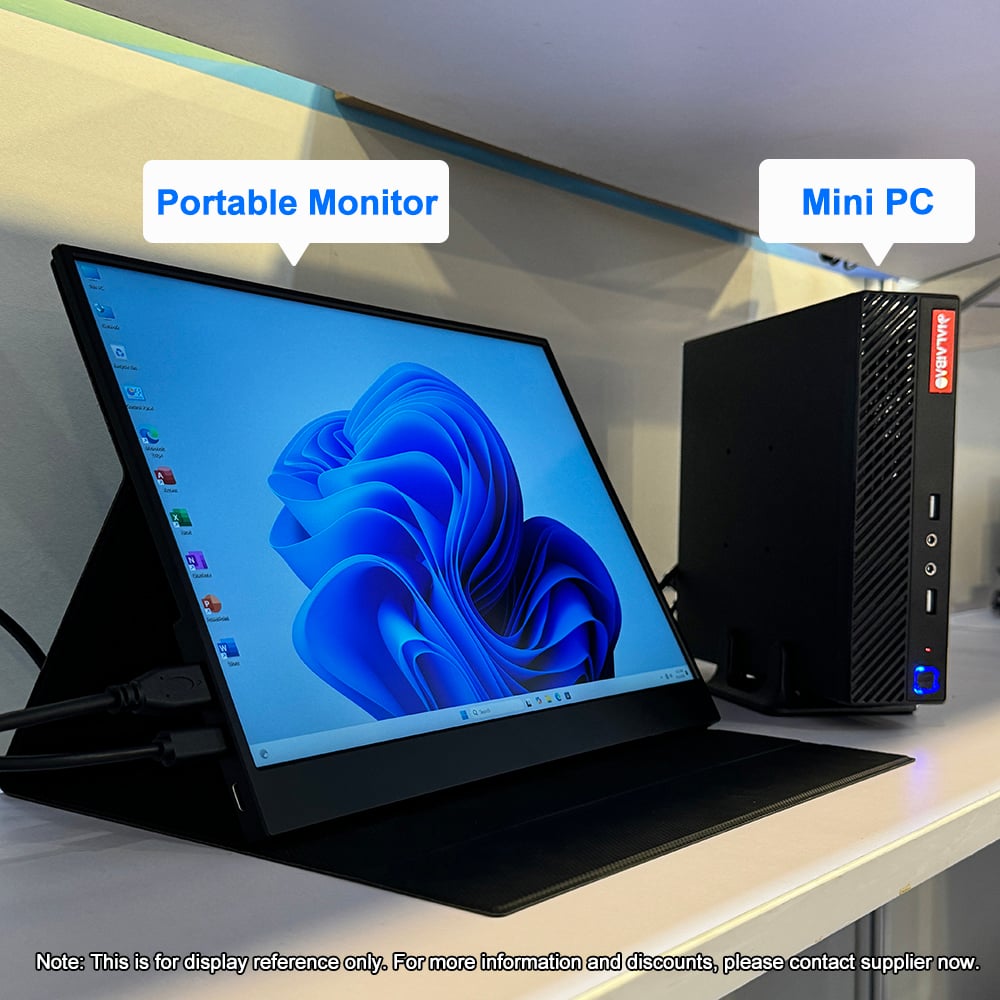
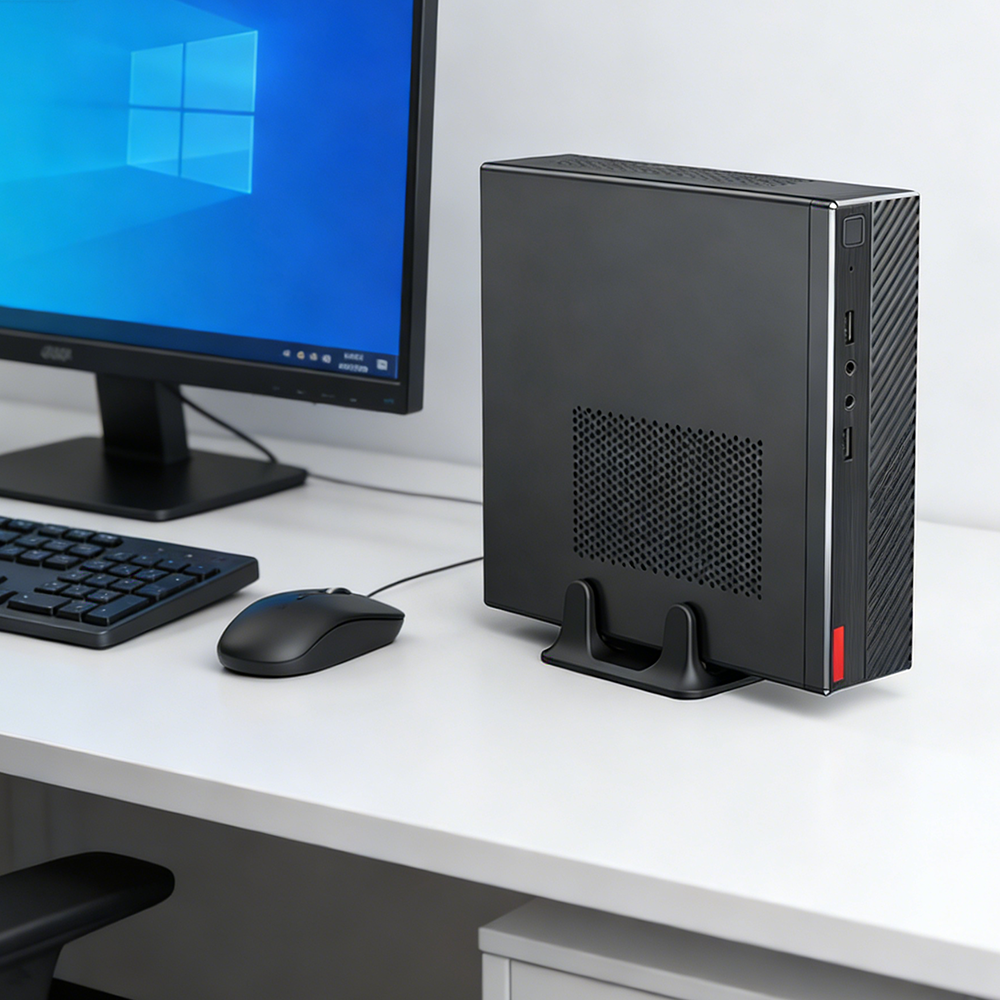
ប្រព័ន្ធកុំព្យូទ័រតូចៗត្រូវបានរចនាឡើងដើម្បីបញ្ចូលគ្នាបានយ៉ាងរលូនជាមួយហេដ្ឋារចនាសម្ព័ន្ធអាជីវកម្មស្តង់ដារ រួមទាំងម៉ូនីទ័រ ក្តារចុច ម៉ៅ និងការតភ្ជាប់បណ្តាញដែលមានស្រាប់។ ពួកវាជួយគាំទ្រប្រព័ន្ធប្រតិបត្តិការធម្មតា ដំណាំងចូលទៅក្នុងដែន (domain join procedures) និងឧបករណ៍គ្រប់គ្រងផ្តោតកណ្ដាល ដែលផ្នែកអាជីវកម្មអ៊ីធី (IT departments) ប្រើប្រាស់សម្រាប់កុំព្យូទ័រឌេស្ក័តប៉ុន្មានឆ្នាំកន្លងមក។ ការផ្លាស់ប្តូរទៅប្រើប្រាស់ប្រព័ន្ធទាំងនេះជាទូទៅត្រូវការការផ្លាស់ប្តូរតិចណាស់ទៅលើដំណាំងអាជីវកម្មអ៊ីធីដែលមានស្រាប់ ខណៈពេលដែលផ្តល់នូវភាពអាចបត់ប៉ែនបានកាន់តែខ្ពស់សម្រាប់ការដំឡើងផ្នែករូបកាយ និងការកំណត់រចនាសម្ព័ន្ធកន្លែងធ្វើការ។
ប្រព័ន្ធកុំព្យូទ័រតូចៗជាញឹកញាប់ផ្តល់នូវសុវត្ថិភាពរូបកាយបន្ថែមដោយសារតែទំហំតូចរបស់វា និងភាពអាចភ្ជាប់បានយ៉ាងបត់បែន ដែលអនុញ្ញាតឱ្យវាត្រូវបានលាក់ ឬធ្វើសុវត្ថិភាពតាមវិធីដែលកុំព្យូទ័រធម្មតាមិនអាចធ្វើបាន។ ពីទស្សនៈសុវត្ថិភាពស៊ីបេរ វាអាចគាំទ្រកម្មវិធីសុវត្ថិភាព ការអ៊ិនគ្រីប និងវិធានការការពារបណ្តាញដូចគ្នានឹងប្រព័ន្ធដែលធំជាង។ ទោះយ៉ាងណាក៏ដោយ ក្រុមអ្នកគ្រប់គ្រងអាយធីគួរតែធានាថា លក្ខណៈពិសេសសម្រាប់គ្រប់គ្រងពីចម្ងាយគឺត្រូវបានកំណត់យ៉ាងត្រឹមត្រូវ ហើយទម្រង់តូចរបស់វាមិនប៉ះពាល់ដល់ការចូលប្រើប្រាស់ប្រអប់សុវត្ថិភាព ឬសញ្ញាបង្ហាញដែលត្រូវការសម្រាប់ការបំពេញតាមតម្រូវការគ្រប់គ្រងទេ។
ប្រព័ន្ធកុំព្យូទ័រតូចៗសម័យទំនើបភាគច្រើនរួមបញ្ចូលផ្នែកចេញវីដេអូច្រើនផ្នែក ដែលអាចគាំទ្រការប្រើប្រាស់ម៉ូនីទ័រពីរ ឬបីផ្នែកក្នុងពេលតែមួយ នៅក្នុងការកំណត់រូបភាពដែលមានភាពច្បាស់ខ្ពស់។ ជាទូទៅ ប្រព័ន្ធទាំងនេះផ្តល់ច្រក USB គ្រប់គ្រាន់ ការតភ្ជាប់សំឡេង និងច្រកបណ្តាញ ដើម្បីគាំទ្រការដំឡើងឧបករណ៍បន្ថែមបានយ៉ាងទូទៅ រួមទាំងថាសផ្ទុកខាងក្រៅ ម៉ាស៊ីនបោះពុម្ព និងឧបករណ៍បញ្ចូលពិសេស។ ទោះយ៉ាងណា ក្រុម IT គួរតែពិនិត្យឡើងវិញនូវតម្រូវការតភ្ជាប់ជាក់លាក់ ដោយផ្អែកលើសេចក្តីបញ្ជាក់បច្ចេកទេសរបស់ប្រព័ន្ធ ដើម្បីធានាបាននូវសារភាពស៊ីគ្នាជាមួយការវិនិយោគបច្ចុប្បន្នលើឧបករណ៍បន្ថែម និងតម្រូវការដំណាំរបស់អ្នកប្រើប្រាស់។
 EN
EN
 AR
AR
 BG
BG HR
HR
 CS
CS
 DA
DA
 NL
NL
 FR
FR
 DE
DE EL
EL
 HI
HI
 IT
IT JA
JA
 KO
KO
 NO
NO PL
PL PT
PT RO
RO
 RU
RU
 ES
ES
 SV
SV
 TL
TL
 IW
IW
 ID
ID
 SR
SR
 SK
SK
 VI
VI
 HU
HU
 TH
TH
 TR
TR
 FA
FA
 AF
AF
 MS
MS
 SW
SW
 UR
UR
 BN
BN
 HA
HA
 KM
KM
 MN
MN
 UZ
UZ